Umaru Musa Yar’adua University (UMYU)
Umaru Musa Yar’Adua University – UMYU

Umaru Musa Yar’Adua University  widely known as UMYU  is a state-owned public university located along Dutsin-ma Road in Katsina, the capital of Katsina State, North-West Nigeria. Founded in 2006 as Katsina State University, it was renamed on 8th April 2009 by the Katsina State House of Assembly in honour of Umaru Musa Yar’Adua — the former Executive Governor of Katsina State who championed its establishment and who later became the 13th President of the Federal Republic of Nigeria. UMYU is fully accredited and recognised by the National Universities Commission (NUC), and currently houses 51 undergraduate and 52 postgraduate programmes across eight faculties and a College of Health Sciences. The university’s motto is To Learn and to Serve, and its mission is to produce well-grounded, sound, God-fearing, and entrepreneurially-minded graduates. The current Vice-Chancellor is Professor Shehu Salisu Muhammad.

History of the Institution

The establishment of Umaru Musa Yar’Adua University is deeply rooted in the vision of Alhaji Umaru Musa Yar’Adua, who, as the Executive Governor of Katsina State, initiated the process of creating a state university to promote socio-economic, technological, and political development through the production of highly skilled human resources using both conventional face-to-face and distance learning approaches.

The law establishing the institution as Katsina State University was passed by the Katsina State House of Assembly on 5th September 2006. Academic activities commenced in January 2007 with three pioneer faculties — Education, Humanities, and Natural and Applied Sciences — and 16 undergraduate programmes. The institution was renamed Umaru Musa Yar’Adua University on 8th April 2009 to honour its visionary founder, who had since become President of Nigeria and passed away on 5th May 2010 while still in office.

The university’s growth has been guided by a carefully phased development plan. Its first 25 years of existence have been divided into four phases — three phases of five years each, followed by a ten-year phase. In each phase, new faculties, departments, and academic programmes are added, with the university ultimately targeting 13 faculties, 76 departments, and 236 undergraduate and postgraduate programmes. In line with this plan, faculties including Social Sciences, Management Sciences, Law, Agriculture, and Earth and Environmental Sciences have been established, in addition to a College of Health Sciences. The NUC has also approved 14 new programmes for the university, including Forestry and Wildlife Management, Agricultural Science, Fisheries and Aquaculture, Integrated Science Education, Computer Science Education, Early Childhood Education, and Special Education.

The university publishes academic research through its journal Scientifica, accessible at publications.umyu.edu.ng. UMYU also operates a School of Continuing Education for part-time and professional development programmes, and maintains a central laboratory supporting research activities. The Tertiary Institutions Social Health Insurance Programme (TISHIP) is available to all students.

Location

Umaru Musa Yar’Adua University (UMYU) P.M.B. 2218, Dutsin-ma Road Katsina, Katsina State, Nigeria

Phone: 08067860661

List of Courses Offered by Umaru Musa Yar’Adua University (UMYU)

UMYU currently offers 51 undergraduate and 52 postgraduate programmes across eight faculties and a College of Health Sciences. NUC has also recently approved 14 additional new programmes.

Faculty of Education

  • Education and Arabic
  • Education and Biology
  • Education and Chemistry
  • Education and Christian Religious Knowledge
  • Education and Economics
  • Education and English Language
  • Education and Geography
  • Education and Hausa
  • Education and History
  • Education and Islamic Studies
  • Education and Mathematics
  • Education and Physics
  • Library and Information Science

Newly approved education programmes:

  • Integrated Science Education
  • Business Studies Education
  • Primary Education Studies
  • Early Childhood Education
  • Special Education
  • Computer Science Education

Faculty of Humanities

  • Arabic Language
  • Christian Religious Knowledge
  • English Language
  • French
  • Hausa Language
  • History
  • Islamic Studies

Faculty of Natural and Applied Sciences

  • Biochemistry
  • Biology
  • Chemistry
  • Computer Science
  • Industrial Chemistry
  • Mathematics
  • Microbiology
  • Physics
  • Statistics

Faculty of Social Sciences

  • Economics
  • Geography
  • Political Science
  • Sociology

Faculty of Management Sciences

  • Accountancy
  • Business Administration
  • Development Studies
  • Public Administration

Faculty of Law

  • Law (LL.B.)

Faculty of Agriculture

  • Agricultural Science (B.Agric)
  • Fisheries and Aquaculture (B.Sc.)
  • Forestry and Wildlife Management (B. Forestry)

Faculty of Earth and Environmental Sciences

  • Earth and Environmental Sciences related programmes

College of Health Sciences Please see the latest news below or visit the school website for the full list of Health Sciences programmes.

School of Continuing Education

  • Part-time undergraduate and professional development programmes

For the complete and most up-to-date list of courses and postgraduate programmes, please visit umyu.edu.ng or see the latest news below.

Admission Requirements

UTME (Undergraduate) Admission

  • A minimum of five (5) O’Level credit passes including English Language and Mathematics, obtained in not more than two sittings in WAEC, NECO, GCE O’Level, or NABTEB.
  • A valid JAMB UTME score meeting the minimum departmental cut-off mark is required. Candidates must select Umaru Musa Yar’Adua University as their institution of first choice on JAMB.
  • All eligible candidates must register and participate in the Post-UTME screening exercise.
  • Credit pass in English Language is required for all programmes. Credit pass in Mathematics is required for all science-based and selected arts-based programmes.

Direct Entry Admission

  • Candidates with relevant A’Level passes, ND (Upper Credit), HND, NCE, or equivalent qualifications may apply for Direct Entry into 200 Level.
  • Five (5) O’Level credit passes including English Language and Mathematics in not more than two sittings are required in addition to the Direct Entry qualification.

Postgraduate Admission

  • A Bachelor’s degree with a minimum of Second Class Lower Division from an NUC-accredited university.
  • NYSC Discharge or Exemption certificate.
  • Relevant departmental requirements and references apply.

Apply for Undergraduate Admission: collegeportal.umyu.edu.ng/ug/applicant/index

Apply for Postgraduate Admission: collegeportal.umyu.edu.ng/pg/applicant/index

Please see the latest news below or visit the school website for the most current admission requirements and deadlines.

School Fees

UMYU is widely regarded as one of the most affordable state universities in Nigeria. The last known school fees for UMYU for the 2024/2025 academic session are between ₦60,000 and ₦70,000 per session for most undergraduate programmes, with slight variation by faculty and student status.

Total estimated cost for fresh (new) students including fees and levies:

  • Indigenes: approximately ₦90,000 — ₦130,000 per session (including acceptance fee)
  • Non-Indigenes: approximately ₦100,000 — ₦140,000 per session (including acceptance fee)

Key fee components include:

  • Acceptance fee (freshers only, non-refundable): ₦10,300 — ₦35,000 depending on the session
  • Tuition fee: ₦60,000 — ₦70,000 per session
  • Hostel accommodation (optional): ₦20,000 — ₦30,000 per session
  • Other levies (library, ICT, sports, TISHIP medical): ₦5,000 — ₦15,000

School fees are paid via Remita, using a generated Remita Retrieval Reference (RRR) code, payable at designated banks nationwide or online. Indigenes may also access Katsina State Government scholarship programmes.

Please see the latest news below or visit the school website for the most current and officially confirmed school fees schedule, as fees are subject to review each academic session.

Cut-off Mark

The last known JAMB cut-off mark for Umaru Musa Yar’Adua University ranges from 150 to 220 depending on the course of study. Sources indicate a general minimum of 150 for most programmes, while highly competitive courses including Law, Health Sciences, and certain Science programmes may require scores of 200 — 220. Earlier sessions had a minimum of 130 — 140 for some programmes.

Please see the latest news below or visit the school website for the most current and officially confirmed departmental cut-off marks.

Post-UTME / Screening Information

Umaru Musa Yar’Adua University conducts a Post-UTME aptitude screening test for all eligible JAMB candidates. Candidates must have met the minimum JAMB cut-off mark and selected UMYU as their first choice institution to be eligible. Post-UTME registration and screening details are published on the official website and the college portal.

Apply / Post-UTME Registration: collegeportal.umyu.edu.ng/ug/applicant/index

Please see the latest news below or visit the school website for the most current Post-UTME dates, screening fees, and requirements.

Hostel / Accommodation

Umaru Musa Yar’Adua University provides on-campus hostel accommodation for students. The last known hostel accommodation fee is approximately ₦20,000 — ₦30,000 per academic session. Accommodation is optional and allocated on an availability basis.

Please see the latest news below or visit the school website for the most current hostel fees and accommodation application procedures.

Notable Alumni

Umaru Musa Yar’Adua University, founded in 2006 with academic activities commencing in 2007, is a relatively young institution. No widely documented notable alumni are currently recorded in major public sources. Please see the latest news below or visit the school website for information on distinguished graduates.

Official Website and Portal Links

Resource Link
Official Website umyu.edu.ng
College Portal (Main) collegeportal.umyu.edu.ng
Undergraduate Application collegeportal.umyu.edu.ng/ug/applicant/index
Postgraduate Application collegeportal.umyu.edu.ng/pg/applicant/index
Part-Time Portal umyu.edu.ng/school-of-continuing-education
Research Journal (Scientifica) publications.umyu.edu.ng/scientifica
Programmes Page umyu.edu.ng/programmes
Faculties Page umyu.edu.ng/faculties

Contact Information

Umaru Musa Yar’Adua University (UMYU) P.M.B. 2218, Dutsin-ma Road Katsina, Katsina State, Nigeria

Phone: 08067860661 Website: umyu.edu.ng

Frequently Asked Questions (FAQs)

Where is Umaru Musa Yar’Adua University located? UMYU is located along Dutsin-ma Road in Katsina, the capital of Katsina State, North-West Nigeria. The address is P.M.B. 2218, Dutsin-ma Road, Katsina.

When was UMYU established? The university was established in 2006 as Katsina State University, with academic activities commencing in January 2007. It was renamed Umaru Musa Yar’Adua University on 8th April 2009.

Who is Umaru Musa Yar’Adua? Umaru Musa Yar’Adua was the Executive Governor of Katsina State who founded the university, and later served as the 13th President of the Federal Republic of Nigeria. He passed away on 5th May 2010 while in office. The university was renamed in his honour.

What programmes does UMYU offer? UMYU currently offers 51 undergraduate and 52 postgraduate (PGD, M.Sc., M.A., MBA, Ph.D.) programmes across eight faculties — Education, Humanities, Natural and Applied Sciences, Social Sciences, Management Sciences, Law, Agriculture, and Earth and Environmental Sciences — plus a College of Health Sciences and School of Continuing Education.

What is the JAMB cut-off mark for UMYU? The last known cut-off mark ranges from 150 to 220 depending on the course. Please see the latest news below or visit the school website for the current and officially confirmed departmental cut-off marks.

Does UMYU accept second-choice JAMB candidates? No. Candidates must have selected UMYU as their first choice institution on JAMB to be eligible for Post-UTME screening.

How much are UMYU school fees? The last known tuition fee is approximately ₦60,000 — ₦70,000 per session. Total estimated cost for fresh students including acceptance fee and levies is approximately ₦90,000 — ₦140,000 depending on indigene status. UMYU is one of the most affordable universities in Nigeria. Please see the latest news below for current fees.

Does UMYU conduct Post-UTME? Yes. All eligible JAMB candidates must sit for UMYU’s Post-UTME aptitude test. Register via collegeportal.umyu.edu.ng/ug/applicant/index.

Does UMYU offer postgraduate programmes? Yes. UMYU currently offers 52 postgraduate programmes including PGD, M.Sc., M.A., MBA, and Ph.D. Apply via collegeportal.umyu.edu.ng/pg/applicant/index.

Does UMYU have hostel accommodation? Yes. On-campus hostel accommodation is available. The last known hostel fee is approximately ₦20,000 — ₦30,000 per session. Please see the latest news below or visit the school website for current fees and availability.

TAGS

Umaru Musa Yar adua University courses and fees, Umaru Musa Yar adua University courses and cut-off, UMYU portal, UMYU admission list, Umaru Musa Yar Adua University school fees, UMYU courses, UMYU new approved courses, Umaru Musa YAR adua University Postgraduate courses


UMYU Latest News

No post found

TSU, TASU
Taraba State University – TSU /TASU

Taraba State University widely known as TSU or TASU  is a state-owned public university located in Jalingo, the capital of Taraba State, North-East Nigeria. Established in 2008 by the Taraba State Government, the university was founded to widen access to university education for the people of Taraba State and promote economic growth and development in the region. With a motto of Harnessing Nature’s Gift, TSU has grown from a fledgling institution into a recognised university offering undergraduate and postgraduate programmes across ten faculties. The university is fully accredited and recognised by the National Universities Commission (NUC). As of 2022, the university had conducted its 6th, 7th, 8th and 9th combined convocation ceremony, graduating a cumulative total of over 14,000 students. The current Vice-Chancellor is Professor Sylvester Adi.

History of the Institution

Taraba State University was established in 2008 by the Taraba State Government with the primary mandate of widening access to tertiary education for Taraba State indigenes and contributing to the economic and human capital development of the state. The first Vice-Chancellor of the university at inception was Dr. Ahmed Usman Jalingo, who served from 2008 until his passing in March 2011. Following his death, Professor Michael Noku served as Acting Vice-Chancellor. In January 2012, Professor Mohammed Sani Yahaya was appointed as the second substantive Vice-Chancellor.

The university’s first convocation ceremony was conducted in 2018, combining the 1st through 5th graduating sets — a total of 5,900 students. Of these, 29 graduated with First Class Honours, 1,006 with Second Class Upper Division, 2,083 with Second Class Lower, 1,850 with Third Class, and 32 with Pass Degrees. By 2022, the university had produced its first-ever PhD graduate — Hanawa Herbert Rufus — who made history as the first doctoral degree holder from TSU.

The university has expanded steadily over its 17-year history, adding faculties including Engineering, Health Sciences, Communication and Media Studies, and Law. TSU has also benefited from TETFund interventions covering physical infrastructure, academic staff development, library improvement, equipment procurement, and research. The university’s motto, Harnessing Nature’s Gift, reflects Taraba State’s rich natural endowments and the institution’s goal of harnessing human potential for development.

Location

Taraba State University (TSU) P.M.B. 1167, Jalingo Taraba State, Nigeria

The university is located in Jalingo, the capital city of Taraba State, North-East Nigeria.

List of Courses Offered by Taraba State University (TSU)

TSU offers undergraduate and postgraduate programmes across ten faculties, covering arts, sciences, social sciences, management, education, engineering, health sciences, law, agriculture, and communication.

Faculty of Agriculture

  • Agricultural Economics and Extension
  • Agronomy
  • Animal Science
  • Crop Protection
  • Environmental Conservation and Management (B.Agric)
  • Forestry and Wildlife (B.Agric)
  • Home Economics
  • Soil Science

Faculty of Arts

  • Arabic
  • Christian Religious Studies
  • English and Literary Studies
  • French
  • History and Diplomatic Studies
  • Islamic Studies
  • Languages and Linguistics (English)
  • Languages and Linguistics (Hausa)
  • Theatre and Film Studies

Faculty of Communication and Media Studies

  • Advertising
  • Broadcasting
  • Journalism and Media Studies
  • Public Relations

Faculty of Education

  • Agricultural Education (B.Agric Ed)
  • Arts Education (English, History, Hausa)
  • Early Childhood Education
  • Educational Foundation
  • Guidance and Counselling
  • Library and Information Science
  • Science Education
  • Social Science Education
  • Vocational and Technology Education

Faculty of Engineering

  • Agricultural and Bio-Resource Engineering
  • Civil Engineering
  • Electrical and Electronic Engineering
  • Mechanical Engineering

Faculty of Health Sciences

  • Environmental Health
  • Medical Laboratory Science
  • Nursing Science
  • Public Health

Faculty of Law

  • Law (LL.B.)

Faculty of Management Sciences

  • Accounting
  • Business Administration
  • Geography
  • Public Administration
  • Sociology

Faculty of Science

  • Biological Sciences
  • Botany
  • Chemistry
  • Computer Science
  • Ecology and Conservation
  • Mathematics and Statistics
  • Physics

Faculty of Social Sciences

  • Economics
  • Peace and Conflict Studies (B.Sc. Peace and Conflict Studies)
  • Political Science and International Relations

For the complete and most up-to-date list of departments and courses, please visit the official admissions page or see the latest news below.

Admission Requirements

UTME (Undergraduate) Admission

  • A minimum of five (5) O’Level credit passes including English Language and Mathematics, obtained in not more than two sittings in WAEC, NECO, GCE O’Level, or NABTEB.
  • A valid JAMB UTME score meeting the minimum cut-off mark of 140 is required. Candidates must select Taraba State University as their institution of first choice on JAMB.
  • All eligible candidates must participate in the Post-UTME screening exercise and meet departmental requirements.

Direct Entry Admission

  • Candidates with relevant A’Level passes, ND (Upper Credit), HND, NCE, or IJMB qualifications may apply for Direct Entry into 200 Level.
  • Five (5) O’Level credit passes including English Language and Mathematics in not more than two sittings are required in addition to the Direct Entry qualification.

Postgraduate Admission

  • A Bachelor’s degree with a minimum of Second Class Lower Division from an NUC-accredited university.
  • NYSC Discharge or Exemption certificate.
  • Academic transcripts and additional departmental requirements apply.

Apply for Admission: apply.tsuniversity.edu.ng

Please see the latest news below or visit the school website for the most current admission requirements and deadlines.

School Fees

Taraba State University is widely regarded as one of the most affordable state universities in Nigeria. The university operates a differentiated fee structure for indigenes and non-indigenes.

The last known school fees for TSU are as follows:

  • Indigene fresh students: approximately ₦30,000 — ₦55,000 per session depending on faculty and programme
  • Non-indigene fresh students: approximately ₦50,000 — ₦80,000 per session depending on faculty and programme
  • Returning students (indigenes): approximately ₦20,000 — ₦40,000 per session
  • Returning students (non-indigenes): approximately ₦35,000 — ₦60,000 per session
  • Acceptance fee (all newly admitted students): ₦10,000 (non-refundable)

Fees for Health Sciences and Engineering programmes are generally higher than those for Arts, Education, and Social Sciences. School fees are paid online via the TSU official portal.

Please see the latest news below or visit the school website for the most current and officially confirmed school fees schedule, as fees are subject to review each academic session.

Cut-off Mark

The last known JAMB cut-off mark for Taraba State University is 140 for all degree programmes. Only candidates who score a minimum of 140 in JAMB are eligible to apply for any undergraduate degree course at TSU. Departmental cut-off marks may vary based on the number of applicants and available spaces.

Please see the latest news below or visit the school website for the most current cut-off mark information.

Post-UTME / Screening Information

Taraba State University conducts a Post-UTME aptitude test screening exercise for all eligible JAMB candidates seeking undergraduate admission. Candidates must have scored the minimum JAMB cut-off mark and selected TSU as their first choice institution to be eligible. Post-UTME screening forms are released annually, typically between July and September.

Apply for Admission / Post-UTME: apply.tsuniversity.edu.ng

Please see the latest news below or visit the school website for the most current Post-UTME dates, screening fees, and requirements.

Hostel / Accommodation

Taraba State University provides on-campus hostel accommodation for students. The last known hostel accommodation fee is ₦25,000 per academic year, covering maintenance and bed space. Accommodation spaces are available to all interested students on an availability basis.

Please see the latest news below or visit the school website for the most current hostel fees and application procedures.

Notable Alumni

Taraba State University is a relatively young institution, established in 2008. No widely documented notable alumni are currently recorded in major public sources. The university has, however, produced its first-ever PhD graduate — Hanawa Herbert Rufus — who made history in 2022. Please see the latest news below or visit the school website for information on distinguished alumni.

Official Website and Portal Links

Resource Link
Official Website tsuniversity.edu.ng
Admission Application Portal apply.tsuniversity.edu.ng
Admissions Page tsuniversity.edu.ng/admissions
News and Updates tsuniversity.edu.ng/author/exquisite
Endowment / Donations endowment.tsuniversity.edu.ng
History and Traditions tsuniversity.edu.ng/history-traditions
Leadership tsuniversity.edu.ng/leadership
Vision and Mission tsuniversity.edu.ng/vision-mission

Contact Information

Taraba State University (TSU) P.M.B. 1167, Jalingo Taraba State, Nigeria

Please visit the official website for current phone and email contact details.

Frequently Asked Questions (FAQs)

Where is Taraba State University located? TSU is located in Jalingo, the capital city of Taraba State, North-East Nigeria.

When was Taraba State University established? The university was established in 2008 by the Taraba State Government. Its first academic session commenced the same year, with the first Vice-Chancellor being Dr. Ahmed Usman Jalingo.

What programmes does Taraba State University offer? TSU offers undergraduate and postgraduate (PGD, M.Sc., and Ph.D.) programmes across ten faculties covering agriculture, arts, communication, education, engineering, health sciences, law, management sciences, science, and social sciences.

What is the JAMB cut-off mark for TSU? The last known cut-off mark is 140 for all degree programmes. Please see the latest news below or visit the school website for the most current figure.

Does TSU conduct Post-UTME screening? Yes. TSU conducts a Post-UTME aptitude test for all eligible JAMB candidates. Candidates must have scored at least 140 in JAMB and chosen TSU as their first choice to be eligible. Apply via apply.tsuniversity.edu.ng.

How much are TSU school fees? TSU is one of the most affordable universities in Nigeria. The last known fees range from approximately ₦30,000 — ₦55,000 for fresh indigene students and ₦50,000 — ₦80,000 for non-indigenes per session. The acceptance fee is ₦10,000. Please see the latest news below or visit the school website for current fees.

Does TSU have hostel accommodation? Yes. The last known hostel fee is ₦25,000 per academic year. Please see the latest news below or visit the school website for current hostel fees and availability.

Has TSU produced any PhD graduates? Yes. In 2022, Hanawa Herbert Rufus became the first PhD graduate in the history of Taraba State University, a historic milestone for the institution.

TAGS

Taraba state university tsu tuition fees, Taraba state university tsu fees, Taraba State University portal, Taraba State University Admission portal, Taraba State University student login portal, Taraba State University website, Taraba State University admission portal login, Taraba state university tsu admissions


TASU Latest News

No post found

Sule Lamido University (SLU)
Sule Lamido University – SLU

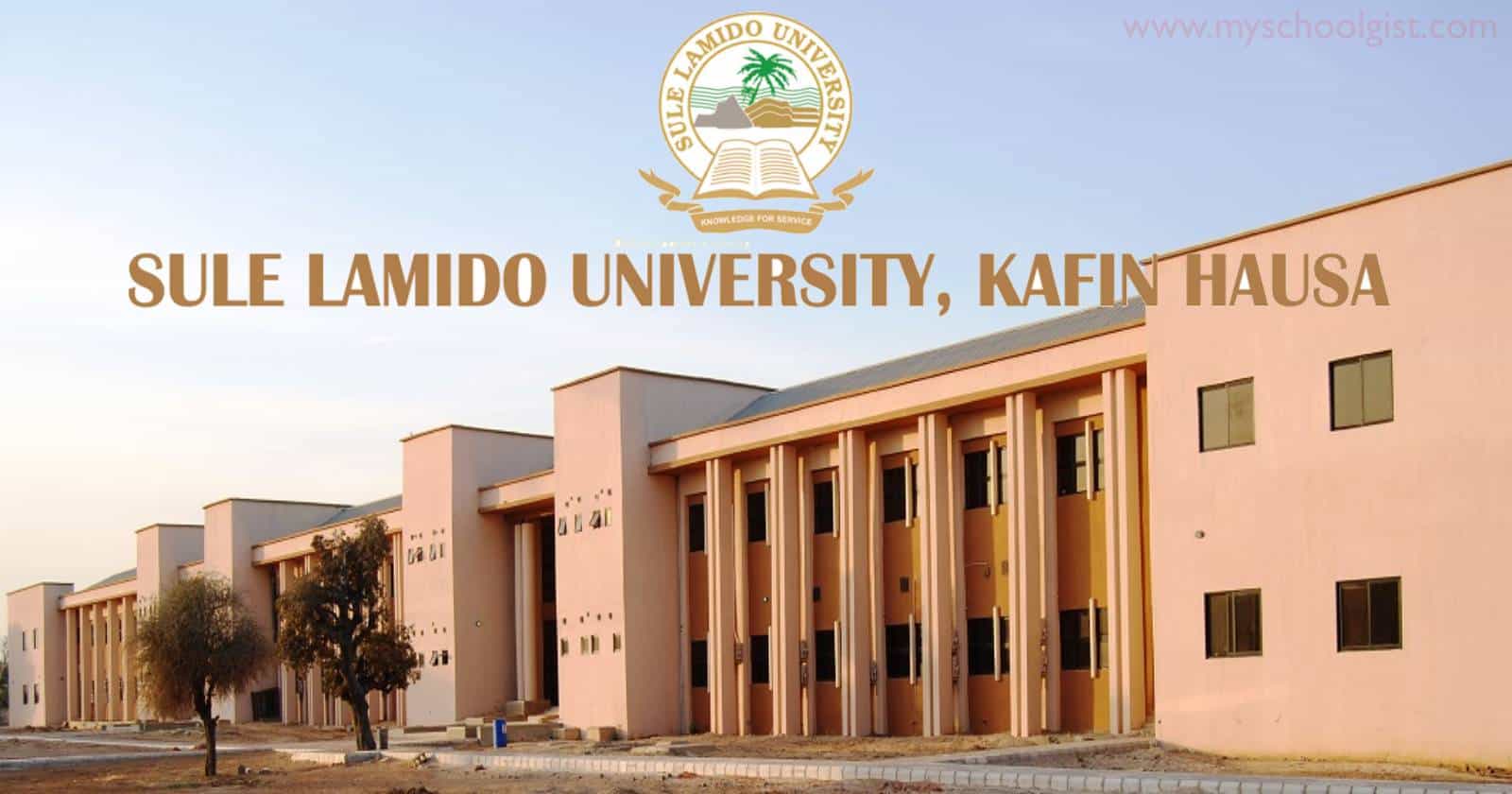
Sule Lamido University  popularly known as SLU  is a public state university located in Kafin Hausa, Jigawa State, Nigeria. Established on 13 May 2013, the university was created by the Jigawa State Government to expand access to quality higher education in Northern Nigeria. It was initially founded as Jigawa State University and later renamed Sule Lamido University in December 2014. The institution is recognised by the National Universities Commission (NUC) and offers undergraduate, postgraduate, IJMB, remedial, and part-time programmes. The current Vice-Chancellor is Professor Lawan Sani Taura.

History of the Institution

Sule Lamido University was established in 2013 and licensed by the National Universities Commission in July of the same year. Full academic activities officially commenced in September 2014.

The university was originally known as Jigawa State University before a bill passed by the Jigawa State House of Assembly changed its name to Sule Lamido University, in honour of former Jigawa State Governor Sule Lamido.

Since inception, the institution has continued to expand its academic programmes, student population, digital portals, and infrastructure development.

Location

Sule Lamido University (SLU)
Km2 Jahun–Kano Road
Kafin Hausa
Jigawa State, Nigeria

Postal Address: P.M.B. 048, Kafin Hausa, Jigawa State.

List of Courses Offered by Sule Lamido University (SLU)

SLU offers programmes across multiple faculties.

Faculties / Schools

  • Faculty of Computing and Information Technology
  • Faculty of Education
  • Faculty of Humanities
  • Faculty of Natural and Applied Sciences
  • School of Postgraduate Studies

Popular Undergraduate Courses

  • Computer Science
  • Biology
  • Chemistry
  • Physics
  • Mathematics
  • Education
  • English
  • Arabic
  • Islamic Studies

Postgraduate Courses

  • M.Sc Computer Science
  • PhD Computer Science
  • M.Ed Education
  • PhD Education
  • M.A Arabic
  • M.A English
  • M.A Islamic Studies
  • M.Sc Biology
  • M.Sc Chemistry
  • M.Sc Physics
  • M.Sc Mathematics
  • PGD Programmes

For the newest complete course list, please check school website or latest news below for newest update.

Admission Requirements

UTME (Undergraduate Admission)

Candidates are generally required to have:

  • Five (5) O’Level credit passes including English Language and Mathematics
  • Valid JAMB score
  • Correct UTME subject combination
  • Participation in SLU Post-UTME screening
  • Choice of SLU in JAMB

Direct Entry Admission

Candidates with ND, NCE, IJMB, JUPEB, HND, or A’Level qualifications may apply.

Postgraduate Admission

Applicants for postgraduate study generally require:

  • Relevant Bachelor’s degree
  • Minimum Second Class Lower for many Master’s programmes
  • Additional PGD route for some candidates
  • PhD applicants require a relevant Master’s degree.

Please check school website or latest news below for newest update.

School Fees

SLU school fees vary depending on:

  • Fresh or returning student
  • Undergraduate or postgraduate status
  • Faculty / department
  • Indigene or non-indigene status

Recent postgraduate schedules listed examples such as:

  • MA (Indigene): ₦120,000
  • MA (Others): ₦150,000
  • MSc Science (Indigene): ₦160,000
  • MSc Science (Others): ₦200,000

Additional charges may apply.

Please check school website or latest news below for newest update.

Cut-off Mark

SLU cut-off marks vary yearly by programme.

  • General courses may use the approved JAMB benchmark
  • Competitive courses may require higher scores

Please check school website or latest news below for newest update.

Post-UTME / Screening Information

SLU regularly opens Post-UTME / Direct Entry screening exercises through the admission portal. Recent official notices announced the 2025/2026 Post-UTME/DE Admissions Screening Exercise.

Portal: https://admissions.slu.edu.ng/

Please check school website or latest news below for newest update.

Hostel / Accommodation

The student portal shows hostel accommodation processes and hostel fee options for eligible students. One visible fee notice listed ₦10,000 hostel accommodation fee for allocated students.

Please check school website or latest news below for newest update.

Notable Alumni

As a relatively young university, SLU alumni are emerging in:

  • Education
  • Public service
  • Technology
  • Research
  • Entrepreneurship
  • Civil administration

Its alumni network is still growing.

Official Website and Portal Links

Resource Link
Official Website https://slu.edu.ng/
Admission Portal https://admissions.slu.edu.ng/
Undergraduate Portal https://myslu.slu.edu.ng/ug/
Postgraduate Portal https://admissions.slu.edu.ng/pg/
IJMB / Remedial Portal https://admissions.slu.edu.ng/ijmb-remedial/ijmb

Contact Information

Sule Lamido University
P.M.B. 048
Kafin Hausa, Jigawa State, Nigeria

Email: admissions@slu.edu.ng
ICT Helpdesk: icthelpdesk@slu.edu.ng

Frequently Asked Questions (FAQs)

Is SLU a federal or state university?
SLU is a state-owned university established by the Jigawa State Government.

Where is SLU located?
SLU is located in Kafin Hausa, Jigawa State, Nigeria.

What was SLU formerly called?
It was formerly called Jigawa State University.

Does SLU have a student portal?
Yes. Students use the portal for registration, admission, hostel, and academic services.

Does SLU offer postgraduate programmes?
Yes. SLU offers PGD, Masters, and PhD programmes.

Who is the Vice-Chancellor of SLU?
Professor Lawan Sani Taura.

How do I check SLU admission status?
Usually through the admission portal or JAMB CAPS.

Please check school website or latest news below for newest update.

TAGS

Sule Lamido University portal, Sule lamido university slu tuition fees, Sule lamido university slu courses, Sule lamido university slu fees, Sule lamido university slu courses and fees, Sule Lamido University Registration portal, Sule Lamido University courses, SLU Registration portal Login Password

SLU Latest News

No post found

River State University RSU
Rivers State University – RSU

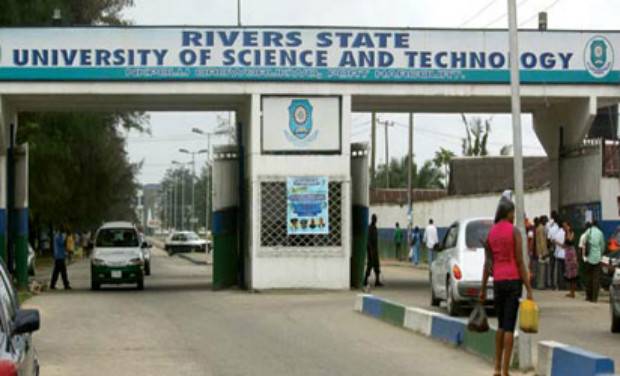
Rivers State University  popularly known as RSU  is a public state university located in Nkpolu-Oroworukwo, Port Harcourt, Rivers State, Nigeria. It is one of Nigeria’s leading state-owned universities and is widely recognised as the first technological university in Nigeria as well as the first state-owned university in the Niger Delta region. RSU offers undergraduate, postgraduate, part-time, pre-degree, diploma, and professional programmes across several faculties including Medicine, Law, Engineering, Sciences, Agriculture, Education, and Management Sciences. The university motto is Excellence and Creativity.

History of the Institution

The origins of Rivers State University trace back to 1972, when it was established as the Rivers State College of Science and Technology. In October 1980, it was upgraded into a full university and became known as the Rivers State University of Science and Technology (RSUST).

For many years, the institution was known nationwide for its strength in engineering, technology, and applied sciences. In 2017, the university was officially renamed Rivers State University (RSU) to reflect its expanded academic scope beyond science and technology.

Today, RSU has developed into a comprehensive university with thousands of students, strong research output, modern facilities, and a wide alumni network across Nigeria and abroad.

Location

Rivers State University (RSU)
Nkpolu-Oroworukwo
Port Harcourt
Rivers State, Nigeria

Postal Address: P.M.B. 5080, Port Harcourt, Rivers State, Nigeria

Phone: +234 810 444 4411
Email: info@ust.edu.ng

List of Courses Offered by Rivers State University (RSU)

RSU offers undergraduate and postgraduate programmes through several faculties.

Faculties

  • Agriculture
  • Basic Medical Sciences
  • College of Medicine
  • Communication and Media Studies
  • Education
  • Engineering
  • Environmental Sciences
  • Humanities
  • Law
  • Management Sciences
  • Social Sciences
  • Science
  • Postgraduate School

Popular Courses

  • Medicine and Surgery
  • Nursing / Health-related programmes
  • Law
  • Accounting
  • Business Administration
  • Mass Communication
  • Economics
  • Political Science
  • Public Administration
  • Computer Science
  • Biochemistry
  • Microbiology
  • Civil Engineering
  • Mechanical Engineering
  • Electrical/Electronics Engineering
  • Architecture
  • Estate Management
  • Agricultural Science
  • Education Courses

For the latest full departmental list, please check the official website below.

Admission Requirements

UTME (Undergraduate Admission)

Candidates are generally required to have:

  • Minimum of five (5) O’Level credit passes including English Language and Mathematics
  • Acceptable JAMB score
  • Correct UTME subject combination
  • RSU selected as preferred institution
  • Participation in Post-UTME screening exercise

Direct Entry Admission

Candidates with ND, NCE, IJMB, JUPEB, HND or A’Level qualifications may apply for Direct Entry admission.

Postgraduate Admission

RSU offers PGD, Masters, MBA, M.Phil, and PhD programmes through its Postgraduate School.

Pre-Degree / Foundation

The university also runs preparatory and foundation pathways in some sessions.

Please check school website or latest news below for newest update.

School Fees

RSU school fees vary depending on:

  • Fresh or returning student
  • Faculty / programme
  • Professional courses
  • Indigene / non-indigene status
  • Undergraduate or postgraduate level

Students generally make payments through official university payment portals.

Please check school website or latest news below for newest update.

Cut-off Mark

RSU cut-off marks vary by academic session and department.

  • General courses may use the approved institutional benchmark
  • Competitive courses such as Medicine, Law, Nursing, Engineering, and Mass Communication may require higher scores

Please check school website or latest news below for newest update.

Post-UTME / Screening Information

RSU regularly opens Post-UTME and Direct Entry screening for qualified applicants.

Candidates may be required to upload:

  • JAMB result
  • O’Level results
  • Passport photograph
  • Personal details
  • Screening payment receipt

Please check school website or latest news below for newest update.

Hostel / Accommodation

RSU has a vibrant campus environment in Port Harcourt. Students may access university accommodation subject to availability, while many others stay in private hostels and lodges around Nkpolu, Mile 3 Diobu, Rumuola, and nearby areas.

Please check school website or latest news below for newest update.

Notable Alumni

RSU has produced graduates contributing in:

  • Engineering
  • Oil and Gas Industry
  • Politics
  • Public administration
  • Academia
  • Business
  • Law
  • Media
  • Entrepreneurship

Its alumni association is active and includes thousands of members worldwide.

Official Website and Portal Links

Contact Information

Rivers State University
Nkpolu-Oroworukwo
P.M.B. 5080
Port Harcourt, Rivers State, Nigeria

Phone: +234 810 444 4411
Email: info@ust.edu.ng

Frequently Asked Questions (FAQs)

Is RSU a federal or state university?
RSU is a state-owned university established by the Rivers State Government.

What was RSU formerly called?
It was formerly known as Rivers State University of Science and Technology (RSUST).

Where is RSU located?
RSU is located in Port Harcourt, Rivers State, Nigeria.

Is RSU the first technological university in Nigeria?
Yes. RSU is widely recognised as Nigeria’s first technological university.

Does RSU offer Medicine and Law?
Yes. RSU offers Medicine, Law, Engineering, and many other programmes.

Does RSU have a student portal?
Yes. RSU uses online systems for registration, payments, and academic services.

What is eCampus RSU?
eCampus refers to the university’s online academic and learning platforms.

What is RSU cut-off mark?
It varies by programme and academic session.

Please check school website or latest news below for newest update.

TAGS

RSU ID card portal, RSU portal, Www RSU edu ng Login, Www RSU edu ng Login portal results, RSU meaning in salary, eCampus RSU, RSU meaning medical, RSU vs ESOP


RSU Latest News

No post found

PLASU
Plateau State University – PLASU

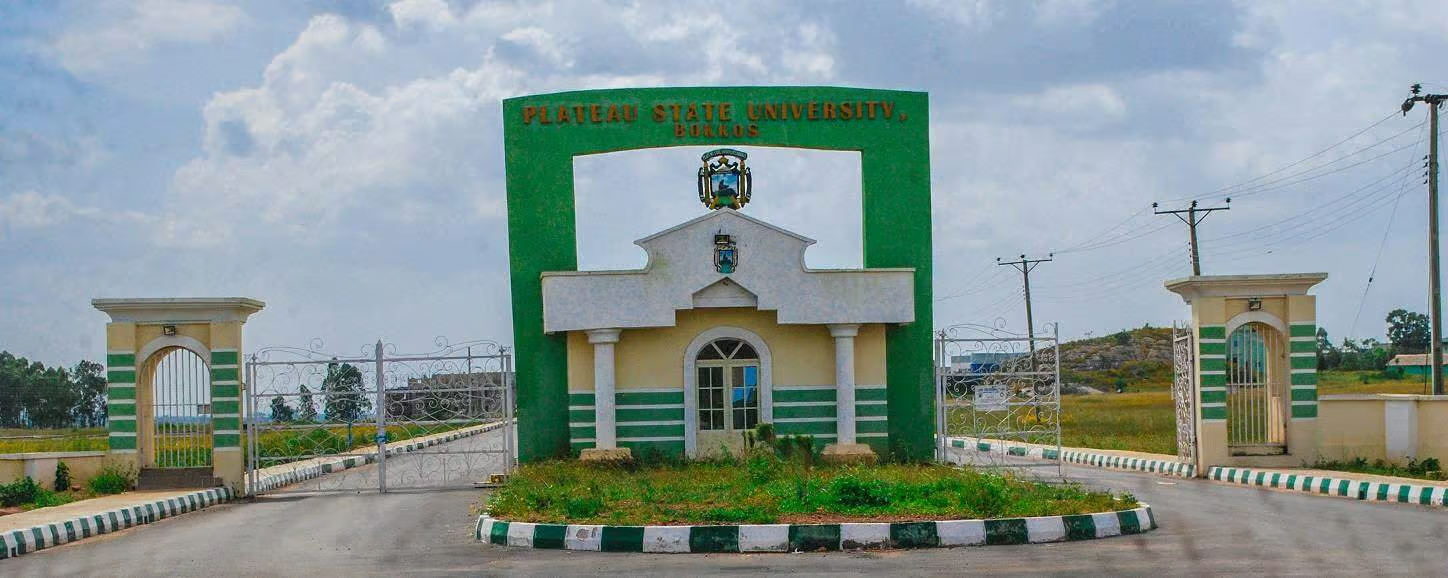
Plateau State University  popularly known as PLASU  is a public state university located in Bokkos, Plateau State, Nigeria. Established in 2005, the university is one of the major higher institutions in North-Central Nigeria and is owned by the Plateau State Government. PLASU offers undergraduate and postgraduate programmes across several faculties including Law, Arts, Social Sciences, Natural Sciences, Education, Agriculture, Health Sciences, and Management Sciences. The institution is recognised by the National Universities Commission (NUC) and is known for its serene environment and growing academic reputation. The current Vice-Chancellor is Professor Shedrack Gaya Best.

History of the Institution

Plateau State University was established on 7th March 2005 under Plateau State Law No. 4 of 2005. It was officially recognised by the National Universities Commission on 29th April 2005 as the 66th university in Nigeria and the 24th state-owned university at the time.

Academic activities initially commenced in May 2007 with about 480 students. Operations were later suspended that same year, and students were temporarily transferred to the University of Jos. The university was reopened in October 2010, with lectures resuming in January 2011.

Since reopening, PLASU has expanded in infrastructure, faculties, staffing, and student population. In recent years, the university has continued to launch development projects and improve academic programmes through TETFund support and internal reforms.

Location

Plateau State University (PLASU)
Diram Village, along Butura–Tarangol Axis
Bokkos, Plateau State, Nigeria

Email: info@plasu.edu.ng

PLASU is situated in a calm highland environment about 70 kilometres from Jos, the Plateau State capital.

List of Courses Offered by Plateau State University (PLASU)

PLASU offers programmes through various faculties and schools.

Faculties

  • Faculty of Law
  • Faculty of Arts
  • Faculty of Social Sciences
  • Faculty of Natural and Applied Sciences
  • Faculty of Management Sciences
  • Faculty of Agricultural Sciences
  • Faculty of Health Sciences
  • Faculty of Environmental Sciences
  • Faculty of Education

Popular Courses

  • Law
  • English Language
  • History and International Studies
  • Political Science
  • Economics
  • Sociology
  • Accounting
  • Business Administration
  • Computer Science
  • Biochemistry
  • Microbiology
  • Mathematics
  • Agriculture
  • Public Health
  • Education Courses

For the complete current departmental list, please check the official website below.

Admission Requirements

UTME (Undergraduate Admission)

Candidates are generally required to have:

  • Five (5) O’Level credit passes including English Language and Mathematics
  • Acceptable JAMB score
  • Correct UTME subject combination
  • Participation in PLASU Post-UTME screening

Direct Entry Admission

Candidates with ND, NCE, IJMB, JUPEB, HND, or A’Level qualifications may apply for Direct Entry admission.

Postgraduate Admission

PLASU also advertises admission into postgraduate programmes through its official portal.

Please check school website or latest news below for newest update.

School Fees

PLASU school fees vary depending on:

  • Fresh or returning student
  • Faculty / department
  • Undergraduate or postgraduate level
  • Indigene / non-indigene status

Students typically pay through the official student portal.

Please check school website or latest news below for newest update.

Cut-off Mark

PLASU cut-off marks vary by academic session and programme.

  • General courses may use the approved institutional benchmark
  • Competitive courses like Law and Health-related programmes may require higher scores

Please check school website or latest news below for newest update.

Post-UTME / Screening Information

PLASU periodically opens Post-UTME and Direct Entry screening exercises for qualified applicants through the university website.

Candidates may be required to upload:

  • JAMB result
  • O’Level results
  • Passport photograph
  • Personal details
  • Screening payment receipt

Please check school website or latest news below for newest update.

Hostel / Accommodation

PLASU provides accommodation opportunities for students subject to availability. Official registration updates indicate hostel reservation is offered on a first come, first serve basis through the portal.

Many students also use private hostels and lodges around Bokkos and nearby communities.

Please check school website or latest news below for newest update.

Notable Alumni

As a growing university, PLASU alumni are contributing in:

  • Public service
  • Law
  • Education
  • Agriculture
  • Entrepreneurship
  • Science and technology
  • Media

Its alumni network continues to expand.

Official Website and Portal Links

Contact Information

Plateau State University
Bokkos, Plateau State, Nigeria

Email: info@plasu.edu.ng

Frequently Asked Questions (FAQs)

Is PLASU a federal or state university?
PLASU is a state-owned university established by the Plateau State Government.

Where is PLASU located?
PLASU is located in Bokkos, Plateau State, Nigeria.

When was PLASU established?
It was established in 2005.

Who is the Vice-Chancellor of PLASU?
Professor Shedrack Gaya Best.

Does PLASU have a student portal?
Yes. Students use the portal for registration, fees, and academic activities.

How do I check PLASU admission?
Usually through the student portal or JAMB CAPS.

Does PLASU have hostel accommodation?
Yes, subject to availability and allocation process.

What is PLASU cut-off mark?
It varies by course and academic session.

Please check school website or latest news below for newest update.

TAGS

Plasu tuition fees, PLASU Student portal, PLASU admission portal, PLASU edu ng Login, PLASU Student portal Login password, PLASU registration, How to check PLASU Admission, PLASU website


PLASU Latest News

No post found

Osun State University (UNIOSUN)
Osun State University – UNIOSUN

Osun State University  popularly known as UNIOSUN  is a public multi-campus state university located in Osogbo, Osun State, Nigeria. Established in 2006 by the Osun State Government, the university has grown into one of Nigeria’s respected state universities. UNIOSUN offers undergraduate, postgraduate, pre-degree, part-time, and professional programmes across several campuses in Osun State. The institution is fully recognised by the National Universities Commission (NUC) and is known for academic quality, innovation, research, and structured multi-campus learning. The current Vice-Chancellor is Professor Odunayo Clement Adebooye.

History of the Institution

Osun State University was established in 2006 by the administration of the Osun State Government to expand access to quality university education and support regional development.

The university adopted a multi-campus structure, with campuses spread across different towns in Osun State. This model was designed to stimulate educational growth and economic development across the state.

Since inception, UNIOSUN has developed strongly in academics, infrastructure, research output, health sciences, law, engineering, and entrepreneurship. It has become one of the fast-rising public universities in Nigeria.

Location

Osun State University (UNIOSUN)
Main Campus, Osogbo
Osun State, Nigeria

UNIOSUN campuses are located in:

  • Osogbo
  • Ejigbo
  • Ifetedo
  • Ikire
  • Ipetu-Ijesa
  • Okuku

List of Courses Offered by Osun State University (UNIOSUN)

UNIOSUN offers programmes through colleges and faculties.

Colleges / Faculties

  • College of Agriculture
  • College of Education
  • College of Humanities and Culture
  • College of Law
  • College of Health Sciences
  • College of Management and Social Sciences
  • College of Science, Engineering and Technology

Popular Courses

  • Medicine and Surgery
  • Nursing
  • Law
  • Accounting
  • Economics
  • Political Science
  • Mass Communication
  • English
  • International Relations
  • Computer Science
  • Microbiology
  • Biochemistry
  • Civil Engineering
  • Mechanical Engineering
  • Public Health
  • Agricultural Economics
  • Education Courses

For complete programmes and departments, please check the official website below.

Admission Requirements

UTME (Undergraduate Admission)

Applicants are generally required to have:

  • Five (5) O’Level credit passes including English Language and Mathematics
  • Valid JAMB score
  • Correct UTME subject combination
  • UNIOSUN selected in JAMB
  • Participation in Post-UTME screening

Direct Entry Admission

Candidates with ND, NCE, IJMB, JUPEB, HND or A’Level qualifications may apply for Direct Entry admission.

Postgraduate Admission

UNIOSUN offers PGD, Masters, MBA, M.Phil, and PhD programmes.

Pre-Degree Programme

The university also runs pre-degree programmes for eligible candidates.

Please check school website or latest news below for newest update.

School Fees

UNIOSUN school fees vary based on:

  • Fresh or returning student
  • Faculty / programme
  • Indigene or non-indigene status
  • Professional courses such as Medicine, Law, Nursing, Pharmacy

Fees are usually paid online through the official student portal using approved payment channels. The portal currently references Remita payment integration.

Please check school website or latest news below for newest update.

Cut-off Mark

UNIOSUN cut-off marks vary by session and programme.

  • General courses may use the approved institutional benchmark
  • Competitive programmes such as Medicine, Nursing, Law, and Engineering may require higher scores

Please check school website or latest news below for newest update.

Post-UTME / Screening Information

UNIOSUN regularly opens admission screening for UTME and Direct Entry candidates.

Candidates may be required to upload:

  • JAMB result
  • O’Level results
  • Passport photograph
  • Bio-data
  • Screening payment receipt

Applications are usually completed through the admission portal.

Please check school website or latest news below for newest update.

Hostel / Accommodation

UNIOSUN has hostel accommodation in some campuses, while many students also live in private lodges around campus communities. Availability may depend on campus location and level of study.

Recent university news also mentions an alumni students’ hostel foundation project.

Please check school website or latest news below for newest update.

Notable Alumni

UNIOSUN has produced graduates contributing in:

  • Academia
  • Politics
  • Public service
  • Healthcare
  • Law
  • Entrepreneurship
  • Media
  • Science and technology

Its alumni network continues to grow nationally and internationally.

Official Website and Portal Links

Contact Information

Osun State University
Admission Office, Administrative Building
Main Campus, Osogbo
Osun State, Nigeria

Tel: 08107976419 (office hours listed on site)

Frequently Asked Questions (FAQs)

Is UNIOSUN a federal or state university?
UNIOSUN is a state-owned university established by the Osun State Government.

Where is UNIOSUN located?
The main campus is in Osogbo, with additional campuses across Osun State.

Does UNIOSUN offer Medicine and Nursing?
Yes. UNIOSUN offers Medicine, Nursing, Public Health, and other health-related programmes.

Does UNIOSUN offer Law?
Yes. UNIOSUN has a College of Law.

Does UNIOSUN have a student portal?
Yes. Students use the official portal for admission, fees, registration, and results.

Who is the Vice-Chancellor of UNIOSUN?
Professor Odunayo Clement Adebooye.

How do I check UNIOSUN admission status?
Usually through the official admission or student portal.

What is UNIOSUN cut-off mark?
It varies by course and academic session.

Please check school website or latest news below for newest update.

TAGS

UNIOSUN student portal, UNIOSUN admission portal, UNIOSUN admission portal login, Uniosun Medicine, Uniosun courses, Uniosun fees, UNIOSUN News, UNIOSUN edu ng

UNIOSUN Latest News

No post found

OAUSTECH, OSUSTECH
Olusegun Agagu University of Science and Technology – OAUSTECH/OSUSTECH

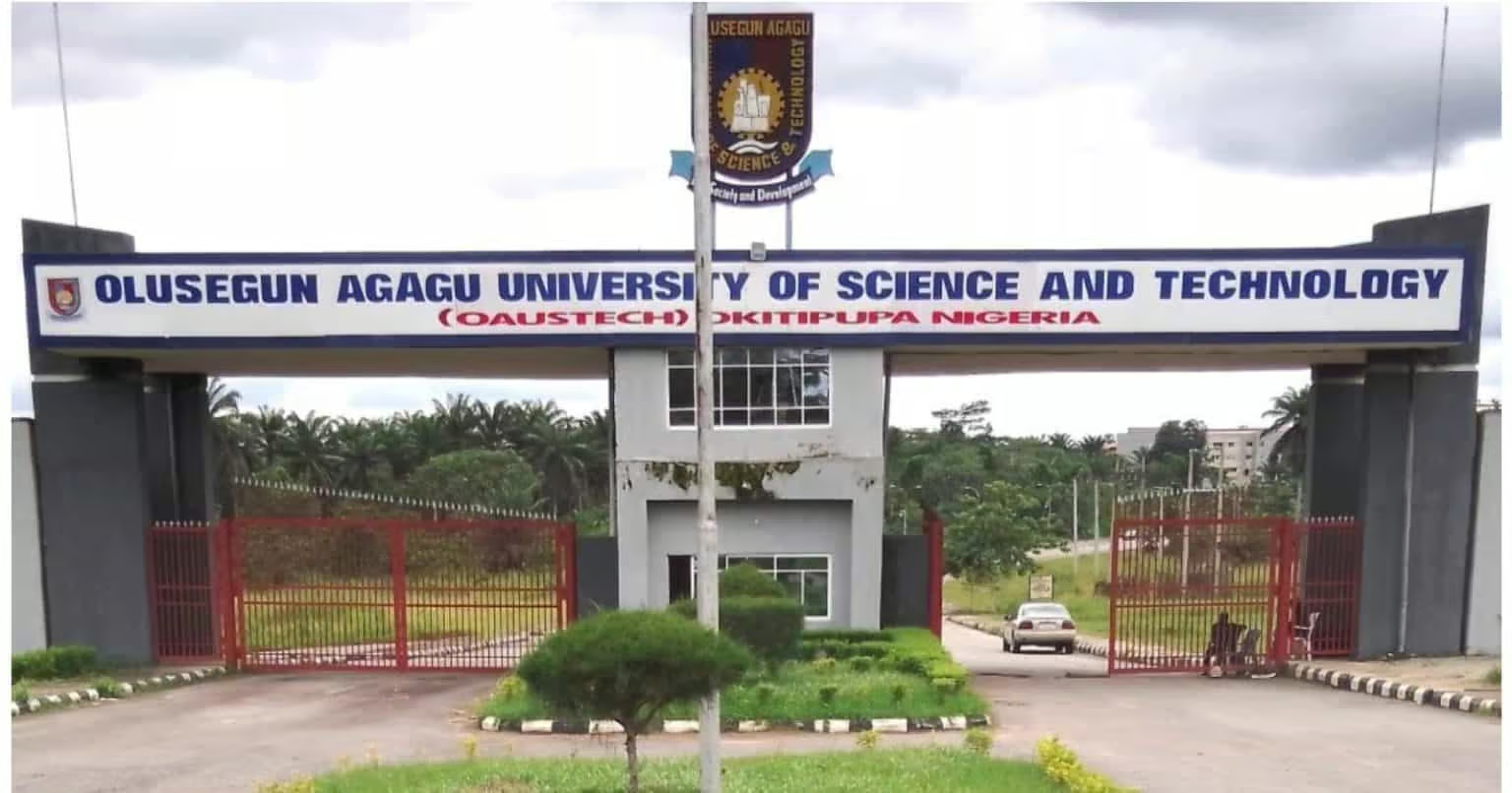
Olusegun Agagu University of Science and Technology — popularly known as OAUSTECH and formerly OSUSTECH — is a public state university located in Okitipupa, Ondo State, Nigeria. Established by the Ondo State Government in 2008, the institution was initially named Ondo State University of Science and Technology (OSUSTECH) before being renamed in 2019 in honour of the late Dr. Olusegun Agagu. The university is technology-driven and focuses on producing skilled graduates in science, engineering, management, health, agriculture, and innovation. OAUSTECH is recognised by the National Universities Commission (NUC) and continues to expand rapidly.

History of the Institution

The university was established in 2008 by the Ondo State Government as Ondo State University of Science and Technology (OSUSTECH) to increase access to science and technology education in Ondo State and Nigeria.

Academic development gradually expanded, and the university introduced programmes in Sciences, Engineering, Agriculture, Earth Sciences, Management Sciences, and Postgraduate Studies.

In 2019, the institution was officially renamed Olusegun Agagu University of Science and Technology (OAUSTECH) in memory of former Ondo State Governor, Dr. Olusegun Agagu. Since then, the university has continued to develop infrastructure, academic programmes, research centres, and partnerships.

Location

Olusegun Agagu University of Science and Technology (OAUSTECH)
Km 6, Okitipupa–Igbokoda Road
P.M.B. 353, Okitipupa
Ondo State, Nigeria

Phone: +234(0)7098809476

List of Courses Offered by OAUSTECH (Formerly OSUSTECH)

OAUSTECH offers undergraduate and postgraduate programmes through several schools.

Schools / Faculties

  • School of Agriculture, Food and Natural Resources
  • School of Engineering and Engineering Technology
  • School of Sciences
  • School of Management Sciences
  • School of Basic Medical and Allied Health Sciences
  • School of Earth Sciences
  • School of Computing
  • School of Postgraduate Studies

Popular Courses

  • Computer Science
  • Cyber Security
  • Software Engineering
  • Microbiology
  • Biochemistry
  • Industrial Chemistry
  • Physics
  • Geophysics
  • Mathematics
  • Fisheries and Aquaculture
  • Agricultural Economics
  • Civil Engineering
  • Mechanical Engineering
  • Electrical/Electronics Engineering
  • Accounting
  • Business Administration
  • Economics
  • Nursing / Allied Health related programmes
  • Geology / Earth Sciences

For the latest full course list, please check the official website below.

Admission Requirements

UTME (Undergraduate Admission)

Applicants are usually required to have:

  • Minimum of five (5) O’Level credits including English Language and Mathematics
  • Acceptable JAMB score
  • Correct subject combination
  • OAUSTECH as preferred institution
  • Participation in Post-UTME screening exercise

Direct Entry Admission

Candidates with ND, NCE, IJMB, JUPEB, HND, or A’Level qualifications may apply for Direct Entry admission.

Postgraduate Admission

OAUSTECH offers PGD, Masters, and PhD programmes through the School of Postgraduate Studies.

Please check school website or latest news below for newest update.

School Fees

OAUSTECH school fees vary depending on:

  • Fresh or returning student
  • Faculty / programme
  • Indigene / non-indigene status
  • Undergraduate or postgraduate level

Students usually make payments through the university portal.

Please check school website or latest news below for newest update.

Cut-off Mark

The university cut-off mark changes by session.

  • General programmes may use the approved institutional benchmark.
  • Competitive courses may require higher scores.

Please check school website or latest news below for newest update.

Post-UTME / Screening Information

OAUSTECH regularly publishes admission screening notices for UTME and Direct Entry candidates through its official portal.

Candidates may be asked to upload:

  • JAMB result
  • O’Level results
  • Passport photograph
  • Personal details
  • Screening payment receipt

Please check school website or latest news below for newest update.

Hostel / Accommodation

OAUSTECH is located in a calm academic environment in Okitipupa. Students stay in university-managed or private accommodation depending on availability. Off-campus hostels and lodges are also common around the university area.

Please check school website or latest news below for newest update.

Notable Alumni

As a relatively young university, OAUSTECH has graduates contributing in:

  • Engineering
  • Technology
  • Public service
  • Business
  • Education
  • Entrepreneurship
  • Environmental sciences

Its alumni network continues to grow steadily.

Official Website and Portal Links

Contact Information

Olusegun Agagu University of Science and Technology
Km 6, Okitipupa-Igbokoda Road
P.M.B. 353, Okitipupa
Ondo State, Nigeria

Phone: +234(0)7098809476

Frequently Asked Questions (FAQs)

Is OSUSTECH still the official name?
No. OSUSTECH was renamed Olusegun Agagu University of Science and Technology (OAUSTECH) in 2019.

Where is OAUSTECH located?
The university is located in Okitipupa, Ondo State, Nigeria.

Is OAUSTECH a federal or state university?
It is a state-owned university established by the Ondo State Government.

Does OAUSTECH offer Engineering courses?
Yes. The university offers Engineering and Technology programmes.

Does OAUSTECH have a student portal?
Yes. Students use the official portal for admission, registration, fees, and results.

Does OAUSTECH offer postgraduate programmes?
Yes. The university offers PGD, Masters, and PhD programmes.

What is OAUSTECH cut-off mark?
It varies by session and course.

How do I check OAUSTECH admission status?
Usually through the official portal and admission announcements.

Please check school website or latest news below for newest update.

TAGS

Osustech reviews, Osustech login, Osustech fees, Osustech tuition fees, Osustech courses, Osustech student profile, OSUSTECH admission status, OSUSTECH School Fees portal

OAUSTECH Latest News

No post found

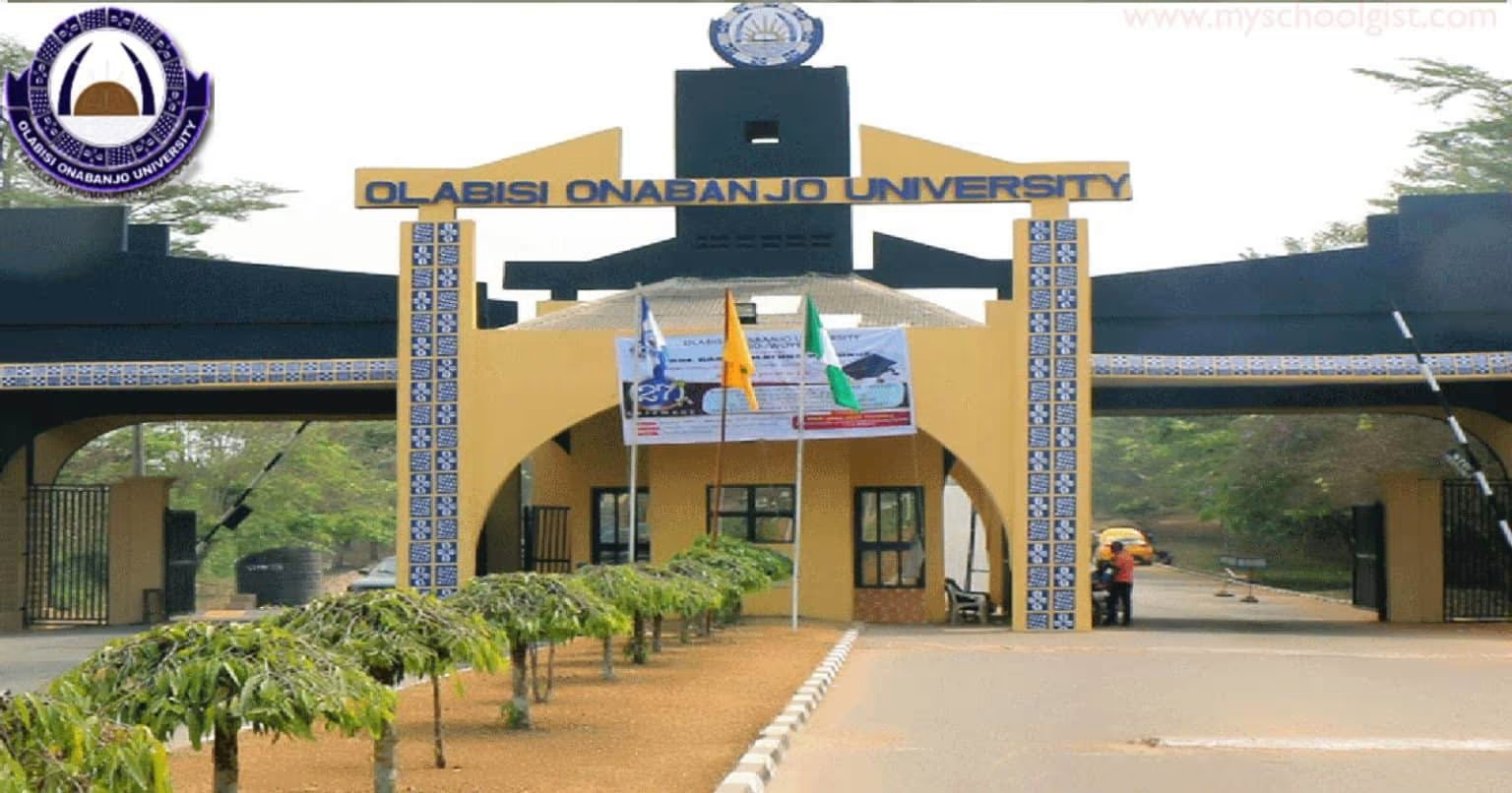
Olabisi Onabanjo University (OOU)
Olabisi Onabanjo University – OOU

Olabisi Onabanjo University  popularly known as OOU  is a public state university located in Ago-Iwoye, Ogun State, Nigeria. Established in 1982, the university is one of the leading state-owned institutions in South-West Nigeria. OOU offers undergraduate, postgraduate, diploma, part-time, and continuing education programmes across multiple campuses and faculties. The institution is recognised by the National Universities Commission (NUC) and is known for academic excellence, professional courses, research development, and quality graduates. OOU attracts students from Ogun State and across Nigeria.

History of the Institution

Olabisi Onabanjo University was originally established on 7th July 1982 as Ogun State University (OSU) by the Ogun State Government. It was founded to expand access to higher education for the growing population of Ogun State and neighbouring regions.

The university initially operated as a multi-campus institution with campuses spread across different towns in Ogun State. In 2001, the institution was renamed Olabisi Onabanjo University in honour of Chief Olabisi Onabanjo, the civilian governor of Ogun State who played a major role in its establishment.

Over the years, OOU has expanded significantly in student population, faculties, infrastructure, professional programmes, and postgraduate studies. It remains one of Nigeria’s respected state universities.

Location

Olabisi Onabanjo University (OOU)
Ago-Iwoye, Ogun State, Nigeria

OOU operates campuses in different locations including:

  • Ago-Iwoye (Main Campus)
  • Ibogun
  • Ayetoro
  • Sagamu
  • Ikenne
  • Aiyetoro

These campuses host different faculties and specialised programmes.

List of Courses Offered by Olabisi Onabanjo University (OOU)

OOU offers many accredited undergraduate and postgraduate programmes across faculties.

Faculties / Colleges

  • Faculty of Administration
  • Faculty of Agriculture
  • Faculty of Arts
  • Faculty of Basic Medical Sciences
  • Faculty of Clinical Sciences
  • Faculty of Education
  • Faculty of Engineering
  • Faculty of Environmental Studies
  • Faculty of Law
  • Faculty of Pharmacy
  • Faculty of Science
  • Faculty of Social Sciences

Popular Courses

  • Accounting
  • Banking and Finance
  • Business Administration
  • Economics
  • Political Science
  • Public Administration
  • Mass Communication
  • English Language
  • History and Diplomatic Studies
  • Computer Science
  • Biochemistry
  • Microbiology
  • Industrial Chemistry
  • Medicine and Surgery
  • Nursing
  • Law
  • Civil Engineering
  • Mechanical Engineering
  • Agricultural Engineering
  • Architecture
  • Education Courses

For the latest complete list of courses, please check the official portal below.

Admission Requirements

UTME (Undergraduate Admission)

Candidates are generally required to have:

  • Five (5) O’Level credit passes including English Language and Mathematics.
  • Acceptable JAMB score.
  • Correct UTME subject combination.
  • OOU chosen as first choice institution.
  • Participation in Post-UTME screening.

Direct Entry Admission

Applicants with ND, NCE, HND, IJMB, JUPEB, or A’Level qualifications may apply for Direct Entry.

Postgraduate Admission

OOU offers PGD, Masters, MBA, M.Phil, and PhD programmes for qualified candidates.

Continuing Education / CCED

The university also offers flexible programmes through its continuing education platforms.

Please check school website or latest news below for newest update.

School Fees

OOU school fees vary depending on:

  • Fresh or returning student
  • Indigene / Non-indigene status
  • Faculty / Department
  • Professional programmes
  • Level of study

Fees for Medicine, Law, Engineering, Nursing, and Pharmacy may be higher than regular courses.

Payment is usually done through the official portal.

Please check school website or latest news below for newest update.

Cut-off Mark

OOU cut-off marks vary by session and department.

  • General courses may accept the approved institutional benchmark.
  • Competitive courses like Medicine, Law, Nursing, Pharmacy, Accounting, and Mass Communication usually require higher scores.

Please check school website or latest news below for newest update.

Post-UTME / Screening Information

OOU regularly conducts Post-UTME screening for qualified UTME candidates.

Candidates may be required to upload:

  • JAMB result slip
  • O’Level result
  • Passport photograph
  • Personal bio-data
  • Payment receipt

Applications are usually completed through the official admission portal.

Please check school website or latest news below for newest update.

Hostel / Accommodation

OOU has student accommodation options across some campuses, while many students also stay in private hostels around Ago-Iwoye and other campus towns.

Popular student residential areas near the main campus include:

  • Ago-Iwoye town
  • Ijebu-Igbo axis
  • Nearby lodge communities

Private hostel fees vary depending on location and facilities.

Please check school website or latest news below for newest update.

Notable Alumni

OOU has produced graduates contributing in:

  • Politics
  • Law
  • Media
  • Business
  • Public administration
  • Education
  • Healthcare
  • Entrepreneurship

Its alumni network continues to grow across Nigeria and abroad.

Official Website and Portal Links

Contact Information

Olabisi Onabanjo University
Ago-Iwoye
Ogun State, Nigeria

Official Contact Page: https://www.oouagoiwoye.edu.ng/portal/contact.php

Frequently Asked Questions (FAQs)

Is OOU a federal or state university?
OOU is a state-owned university established by the Ogun State Government.

What is the full meaning of OOU?
OOU means Olabisi Onabanjo University.

Where is OOU located?
OOU is located in Ago-Iwoye, Ogun State, Nigeria.

What was OOU formerly called?
It was formerly called Ogun State University (OSU).

Does OOU offer Medicine and Law?
Yes. OOU offers Medicine, Law, Pharmacy, Nursing, Engineering and other programmes.

Does OOU have a student portal?
Yes. OOU has official portals for registration, payments, results, and admissions.

How can I check OOU admission list?
Candidates usually check through the admission status portal.

What is OOU cut-off mark?
It varies by department and session.

Can I pay fees online?
Yes. Payments are usually processed through the official payment portal.

Please check school website or latest news below for newest update.

TAGS

OOU student portal, OOU post, OOU student portal login password, OOU cced portal, OOU Admission portal login, OOU Result portal, OOU payment portal login, OOU admission list

OOU Latest News

No post found

Niger Delta University NDU
Niger Delta University – NDU

Niger Delta University  popularly known as NDU  is a public state university located in Amassoma, Wilberforce Island, Bayelsa State, Nigeria. Established in 2000, NDU is one of the leading universities in the Niger Delta region and serves as Bayelsa State’s premier university. The institution offers undergraduate, postgraduate, pre-degree, diploma, and professional programmes across numerous faculties including Medicine, Law, Engineering, Pharmacy, Nursing, Sciences, Arts, and Management Sciences. NDU is recognised by the National Universities Commission (NUC) and continues to grow in research, innovation, and academic development.

History of the Institution

Niger Delta University was established in 2000 by the Bayelsa State Government to expand access to university education and promote human capital development in the Niger Delta region. The university was founded during the early years of Bayelsa State after the state’s creation in 1996.

Academic activities commenced shortly after establishment, and the institution steadily expanded from a few pioneer faculties into a multi-disciplinary university. Over the years, NDU has developed colleges in medicine, nursing sciences, pharmacy, engineering, law, and environmental sciences.

Today, the university has become one of the most recognised state universities in Southern Nigeria, attracting students from Bayelsa, Rivers, Delta, Akwa Ibom, Edo, and across the country.

Location

Niger Delta University (NDU)
Amassoma, Wilberforce Island
Bayelsa State, Nigeria

Postal Address: P.O. Box 72, Bayelsa State, Nigeria.

The serene riverine environment of Wilberforce Island gives the university a unique natural setting and a calm academic atmosphere.

List of Courses Offered by Niger Delta University (NDU)

NDU offers many accredited programmes across faculties.

Faculties / Colleges

  • Faculty of Arts
  • Faculty of Agriculture
  • Faculty of Education
  • Faculty of Engineering
  • Faculty of Environmental Sciences
  • Faculty of Law
  • Faculty of Management Sciences
  • Faculty of Nursing Sciences
  • Faculty of Pharmacy
  • Faculty of Sciences
  • Faculty of Social Sciences
  • Faculty of Basic Medical Sciences
  • Faculty of Clinical Sciences
  • General Studies Unit

Popular Courses

  • Accounting
  • Banking & Finance
  • Business Administration
  • Economics
  • Mass Communication
  • Political Science
  • Sociology
  • Computer Science
  • Biochemistry
  • Microbiology
  • Geology
  • Law
  • Medicine and Surgery
  • Nursing Science
  • Pharmacy
  • Mechanical Engineering
  • Civil Engineering
  • Petroleum Engineering
  • Marine Engineering
  • Architecture
  • Education Courses

For the latest full list of courses, please check the official website below.

Admission Requirements

UTME (Undergraduate Admission)

Applicants are usually required to have:

  • Minimum of five (5) O’Level credits including English Language and Mathematics.
  • Acceptable JAMB score.
  • Correct subject combination.
  • Participation in NDU Post-UTME screening.

Direct Entry Admission

Candidates with A’Level, ND, NCE, IJMB, HND or equivalent may apply into 200 Level depending on programme.

Postgraduate Admission

NDU offers PGD, Masters and PhD programmes through the School of Postgraduate Studies.

Pre-Degree Programme

NDU also runs pre-degree programmes for candidates seeking admission into 100 Level.

Please check school website or latest news below for newest update.

School Fees

NDU school fees vary by:

  • Indigene / Non-indigene status
  • Faculty / Department
  • Fresh or Returning Student
  • Professional courses (Medicine, Pharmacy, Engineering etc.)

Recent online reports indicate different charges depending on programme and status. Some non-Bayelsa students may pay higher tuition than indigenes.

Please check school website or latest news below for newest update.

Cut-off Mark

NDU JAMB cut-off mark depends on the academic session and course.

  • General courses may accept standard institutional cut-off.
  • Competitive programmes such as Law, Medicine, Nursing, Pharmacy, and Engineering usually require higher scores.

Please check school website or latest news below for newest update.

Post-UTME / Screening Information

NDU regularly opens Post-UTME applications for qualified candidates through its portal.

Candidates may be required to upload:

  • JAMB result
  • O’Level results
  • Passport photograph
  • Personal details
  • Local Government identification

Portal access is usually through the official student portal.

Please check school website or latest news below for newest update.

Hostel / Accommodation

NDU has student accommodation options and a campus environment that supports student life. Students may also live in private hostels around Amassoma and nearby communities.

Private hostels vary in price depending on room type, location, and facilities.

Please check school website or latest news below for newest update.

Notable Alumni

NDU has produced graduates contributing in:

  • Politics
  • Public administration
  • Oil & Gas sector
  • Education
  • Media
  • Entrepreneurship
  • Health professions

As Bayelsa State’s flagship university, its alumni network continues to grow.

Official Website and Portal Links

Resource Link
Official Website https://www.ndu.edu.ng/
Undergraduate Programmes https://www.ndu.edu.ng/undergraduate
Postgraduate School https://www.ndu.edu.ng/postgraduate
Pre-Degree https://www.ndu.edu.ng/predegree
Student Portal https://nduportal.com/
Main Portal https://www.ndu.edu.ng/portal

Contact Information

Niger Delta University
Amassoma, Wilberforce Island
P.O. Box 72
Bayelsa State, Nigeria

Email: info@ndu.edu.ng

Frequently Asked Questions (FAQs)

Is NDU a federal or state university?
NDU is a state-owned university established by the Bayelsa State Government.

Where is NDU located?
NDU is located in Amassoma, Wilberforce Island, Bayelsa State, Nigeria.

When was NDU established?
The university was established in 2000.

Does NDU offer Medicine and Law?
Yes. NDU offers Medicine, Law, Pharmacy, Nursing and other professional programmes.

Does NDU have a student portal?
Yes. NDU operates an online admission and student portal.

Does NDU offer postgraduate programmes?
Yes. NDU has postgraduate programmes including PGD, Masters and PhD.

What is NDU cut-off mark?
It varies by course and academic session.

How can I check NDU result?
Students typically check results through the official portal.

Please check school website or latest news below for newest update.

TAGS

Niger delta university ndu school fees, Niger delta university ndu fees, Niger delta university ndu courses, Niger Delta University courses and fees, Www NDU edu ng Login Portal, Niger Delta University photos, NDU Portal, NDU eface

NDU Latest News

No post found

NSUK
Nasarawa State University Keffi – NSUK

Nasarawa State University, Keffi  popularly known as NSUK  is a public state university located in Keffi, Nasarawa State, North-Central Nigeria. Established in 2001 by the Nasarawa State Government, the university has grown into one of Nigeria’s leading state-owned higher institutions, offering undergraduate, postgraduate, part-time, continuing education, and Open Distance e-Learning (ODeL) programmes. NSUK is recognised by the National Universities Commission (NUC) and serves thousands of students across multiple campuses with a strong focus on academic excellence, research, innovation, and community development. The current Vice-Chancellor is Professor Sa’adatu Hassan Liman.

History of the Institution

Nasarawa State University, Keffi was established under Nasarawa State Law No. 2 of 2001 as passed by the Nasarawa State House of Assembly. The university was founded during the administration of the first democratically elected Governor of Nasarawa State, Abdullahi Adamu. The main aim of establishing the institution was to expand access to university education for the people of Nasarawa State and Nigeria at large.

Academic activities officially commenced in March 2002, following the appointment of the pioneer Vice-Chancellor, Professor Adamu Baikie. Since inception, the university has experienced rapid growth in student population, faculties, departments, infrastructure, and research output.

Today, NSUK has become a respected institution with multiple campuses, a School of Postgraduate Studies, e-learning platforms, and partnerships supporting national development. The university continues to expand into medicine, engineering, communication, environmental sciences, law, and technology-related disciplines.

Location

Nasarawa State University, Keffi (NSUK)
Keffi, Nasarawa State, Nigeria

Postal Address: P.M.B 1022, Keffi, Nasarawa State, Nigeria.

NSUK operates multiple campuses including:

  • Keffi Main Campus
  • Lafia Campus
  • Pyanku Campus
  • Gudi Campus (notably linked with Engineering programmes)

List of Courses Offered by Nasarawa State University (NSUK)

NSUK offers a wide range of undergraduate and postgraduate programmes through several faculties.

Faculties / Colleges

  • Faculty of Administration
  • Faculty of Agriculture
  • Faculty of Arts
  • Faculty of Communication and Media Studies
  • Faculty of Education
  • Faculty of Engineering
  • Faculty of Environmental Sciences
  • Faculty of Law
  • Faculty of Natural & Applied Sciences
  • Faculty of Social Sciences
  • College of Medicine and Health Allied Sciences
  • Institutes & Centres

Popular Courses

  • Accounting
  • Business Administration
  • Economics
  • Public Administration
  • Political Science
  • Mass Communication
  • English
  • Sociology
  • Computer Science
  • Microbiology
  • Biochemistry
  • Law
  • Architecture
  • Medicine
  • Nursing (where available/approved)
  • Engineering Programmes
  • Education Courses
  • Agriculture Courses

For the latest complete departmental list, visit the official website below.

Admission Requirements

UTME (Undergraduate Admission)

Candidates seeking admission into 100 Level must generally have:

  • Minimum of five (5) O’Level credit passes including English Language and Mathematics.
  • Acceptable JAMB UTME score.
  • Correct subject combination.
  • Participation in NSUK screening/Post-UTME where required.

Direct Entry Admission

Candidates may apply into 200 Level with:

  • ND / HND / NCE / A’Level / JUPEB / IJMB qualifications.
  • Required O’Level credits.

Postgraduate Admission

General requirements include:

  • Five O’Level credits including English and Mathematics.
  • Bachelor’s degree from a recognised university.
  • NYSC Discharge or Exemption Certificate.
  • Transcript submission for advanced programmes.

Open Distance e-Learning (ODeL)

NSUK offers distance learning programmes. Applicants may be admitted into 100 or 200 level depending on qualifications. Some ODeL programmes do not initially require UTME, but admission may be regularised later.

Please check school website or latest news below for newest update.

School Fees

NSUK school fees vary based on:

  • Faculty
  • Level
  • Indigene / Non-indigene status
  • Programme type (Regular, PG, ODeL, Part-time)

Exact current fees were not centrally published in the crawled sources, but updated schedules are usually available through school portals and faculty notices.

Please check school website or latest news below for newest update.

Cut-off Mark

NSUK JAMB cut-off mark usually varies by session and course competitiveness.

  • General programmes may use standard institutional cut-off.
  • Competitive courses like Law, Medicine, Nursing, Accounting, and Mass Communication may require higher scores.

Please check school website or latest news below for newest update.

Post-UTME / Screening Information

NSUK may conduct online or physical screening exercises depending on the session.

Candidates are usually required to upload:

  • O’Level results
  • JAMB result slip
  • Birth certificate
  • Local government identification
  • Passport photograph

Please check school website or latest news below for newest update.

Hostel / Accommodation

NSUK has campus life and residential options for students, especially freshers, while many returning students may choose off-campus accommodation. Both on-campus and nearby private hostels may be available depending on campus and demand.

Please check school website or latest news below for newest update.

Notable Alumni

NSUK has produced graduates serving in:

  • Government and civil service
  • Academia
  • Business
  • Media
  • Entrepreneurship
  • Law
  • Public administration

As the institution continues to grow, its alumni network is expanding significantly.

Official Website and Portal Links

Resource Link
Official Website https://nsuk.edu.ng/
Undergraduate Portal https://ug.nsuk.edu.ng/
Postgraduate School https://spgs.nsuk.edu.ng/
PG Admission Requirements https://spgs.nsuk.edu.ng/admission-requirements/
Open Distance Learning https://odel.nsuk.edu.ng/admissions/
LMS Portal https://lms.nsuk.edu.ng/

Contact Information

Nasarawa State University, Keffi
P.M.B 1022, Keffi
Nasarawa State, Nigeria

Email: info@nsuk.edu.ng

Frequently Asked Questions (FAQs)

Is NSUK a federal or state university?
NSUK is a state-owned university established by the Nasarawa State Government.

Where is NSUK located?
NSUK is located in Keffi, Nasarawa State, Nigeria.

When was NSUK established?
It was established in 2001 and began academic activities in 2002.

Does NSUK offer postgraduate programmes?
Yes. NSUK has a School of Postgraduate Studies offering PGD, Masters, M.Phil, and Ph.D programmes.

Does NSUK have student portal?
Yes. NSUK operates undergraduate and postgraduate portals.

Does NSUK offer online learning?
Yes. NSUK has an Open Distance e-Learning (ODeL) platform.

What is NSUK cut-off mark?
It varies by academic session and programme.

How do I check NSUK results?
Students usually check through the official student portal.

Please check school website or latest news below for newest update.

TAGS

NSUK portal, Www NSUK edu ng student portal results, NSUK admission portal, NSUK new Portal, NSUK result Portal login, Www NSUK edu ng admission portal login, NSUK website, Www NSUK edu ng student portal login Password


NSUK Latest News

No post found