Blog

KSP
Kogi State Polytechnic 33rd Orientation and Matriculation Ceremony

The Management of Kogi State Polytechnic, Lokoja, has released the official programme for its 33rd Orientation and Matriculation Ceremonies. The announcement confirms the date, time, and venue for the event meant for newly admitted students of the institution.

According to the Polytechnic, the Rector, Prof. Salisu Ogbo Usman, speaking on behalf of the Academic Board, staff, and students, has extended an invitation to parents, guardians, education stakeholders, and members of the public. EducationNGR also learnt that the ceremony forms part of activities welcoming fresh students into the Polytechnic community.

Matriculation Ceremony Schedule

The institution shared the full details of the ceremony as follows:

  • Date: Thursday, 8 January 2026

  • Time: 10:00 a.m.

  • Venue: Kogi State Polytechnic Campus, Lokoja

Newly admitted students are advised to arrive early, as the programme is scheduled to begin promptly in the morning.

Purpose of the Matriculation Ceremony

The Polytechnic explained that the matriculation ceremony is organised to officially admit new students into the institution. It also serves to familiarise them with the academic environment and expectations.

The event is meant to:

  • formally welcome fresh students into the Polytechnic

  • explain the rules, regulations, and academic standards of the institution

  • introduce students to the culture and structure of Kogi State Polytechnic

For many students, the ceremony provides a clearer understanding of how academic life in the Polytechnic operates.

Invited Guests

The Management confirmed that attendance is not limited to students alone. The ceremony is open to:

  • parents and guardians

  • education stakeholders

  • members of the general public

This allows families and well-wishers to be part of the students’ formal entry into the institution.

Enquiries and Contact Details

For further information or clarification about the orientation and matriculation ceremonies, the Polytechnic provided the following contact numbers:

  • 08035961189

  • 08036382114

Prospective attendees are encouraged to make enquiries ahead of time to avoid unnecessary inconvenience.

Kaduna State University (KASU)
KASU Releases Approved Academic Calendar for 2025/2026

The Directorate of Academic Planning, Kaduna State University (KASU), has published the approved academic calendar for the 2025/2026 academic session. The calendar outlines major academic activities for both the first and second semesters, giving students a clear timeline to plan lectures, examinations, and breaks. EducationNGR also learnt that the schedule applies to both fresh and returning students across all faculties.

First Semester Academic Schedule (2025/2026)

Resumption, Screening, and Registration

Students are expected to resume for the new session on 5 January 2026. Screening and course registration for both fresh and returning students will run from 8 December 2025 to 23 January 2026, covering a three-week period. Students are advised not to delay registration, as portal issues are more common close to deadlines.

Lectures, Continuous Assessment, and Break

Lectures and Continuous Assessment (CA) will begin on 26 January 2026 and run until 13 March 2026, lasting seven weeks. A mid-semester break, which also serves as the add and drop period (online), is scheduled for 16 to 22 March 2026. Lectures and CA will then continue from 23 March to 8 May 2026.

Examinations and Results

First semester examinations and marking will take place from 11 to 30 May 2026. Processing of results follows from 1 to 14 June 2026, after which the Senate will consider and release results between 15 and 19 June 2026. A short first semester break is fixed for 22 to 28 June 2026, with the second semester beginning immediately after.

Second Semester Academic Schedule (2025/2026)

Resumption and Lectures

The second semester officially starts on 29 June 2026. Lectures and Continuous Assessment will run for seven weeks, from 29 June to 14 August 2026.

Mid-Semester Activities

KASU has scheduled 17 to 21 August 2026 for mock accreditation exercises, the mid-semester break, and add and drop activities. Lectures and CA will then resume from 24 August to 9 October 2026.

Students’ Union Elections

The Students’ Union election and inauguration are scheduled to hold between 12 and 16 October 2026.

Examinations, Results, and Transfers

Second semester examinations and marking will take place from 19 October to 7 November 2026. Results will be processed from 9 to 20 November 2026, while the Senate will consider and release them between 23 and 25 November 2026. Intra- and inter-university transfers are scheduled for 26 November to 20 December 2026.

The session will end with a break from 21 December 2026 to 3 January 2027, and KASU has fixed 4 January 2027 as the start date for the next academic session.

Key Dates Students Should Note

  • Resume for the session by 5 January 2026

  • Complete screening and course registration between 8 December 2025 and 23 January 2026

  • First semester add and drop period: 16 to 22 March 2026

  • First semester examinations begin 11 May 2026

  • Second semester begins 29 June 2026

  • Second semester examinations start 19 October 2026

  • New academic session starts 4 January 2027

Students are advised to keep track of these dates and act early on registrations and academic requirements to avoid unnecessary delays.

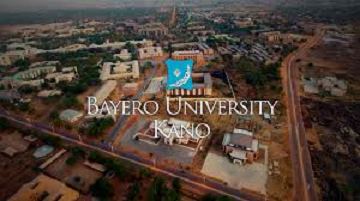
Bayero University Kano BUK News
BUK Part-Time Degree Admission form 2025-2026 Released

Bayero University, Kano (BUK) has commenced the sale of application forms for part-time degree admission for the 2025/2026 academic session. The opportunity is open to suitably qualified candidates applying through three entry routes: SSCE O Level only (Non-UTME), UTME, and Direct Entry. EducationNGR also learnt that applicants are advised to first confirm the availability of their intended course before choosing the correct admission route.

Available Part-Time Degree Programmes at BUK

Department of Arts and Humanities

  • B.A. Arabic

  • B.A. Hausa

  • B.A. English

  • B.A. Islamic Studies

Department of Education

  • B.A. (Ed) Adult Education

  • B.A. (Ed) Arabic

  • B.A. (Ed) English

  • B.A. (Ed) Hausa

  • B.Ed. Physical and Health Education

  • B.Sc. (Ed) Economics

  • B.Sc. (Ed) Library and Information Science

  • B.Sc. (Ed) Mathematics

  • B.Sc. (Ed) Biology

  • B.Sc. (Ed) Chemistry

  • B.Sc. (Ed) Physics

  • B.Sc. (Ed) Health Education

Department of Science

  • B.N.Sc. Nursing Science (Direct Entry only)

  • B.Sc. Geography

  • B.Sc. Computer Science

  • B.Sc. Information Technology

  • B.Sc. Cyber Security

  • B.Sc. Software Engineering

Department of Social Science and Administration

  • B.Sc. Accounting

  • B.Sc. Banking and Finance

  • B.Sc. Business Administration

  • B.Sc. Economics

  • B.Sc. Insurance

  • B.Sc. Public Administration

  • B.Sc. International Relations

Admission Requirements for BUK Part-Time Programmes

Non-UTME Entry (O Level Only)

Candidates applying without JAMB must have:

  • At least five O level credits in relevant subjects, including English Language

  • Results obtained in not more than two sittings

UTME Entry

UTME candidates must meet the following:

  • Minimum JAMB score of 180, with preference given to those who selected BUK

  • Five O level credits, including English Language

Additional subject requirements apply:

  • Credit in Mathematics is compulsory for courses such as Accounting, Business Administration, Mathematics, Health Education, and Economics

  • Holders of NBAIS certificates can only apply for B.A. Arabic and B.A. Islamic Studies

Direct Entry Admission

Direct Entry applicants are required to have:

  • A recognised advanced qualification such as ND, NCE, IJMB (minimum of 6 points), Nursing Certificate, GCE A Level, or relevant diplomas

  • At least five O level credits, including English Language

  • Minimum age of 25 years

Specific subject requirements include:

  • Credit in Mathematics for Accounting, Business Administration, Mathematics, and Economics-related courses

  • Credits in English, Mathematics, Biology, Chemistry, and Physics for Nursing Science and Health Education

  • Credit in Government or History for Public Administration

  • NBAIS holders are restricted to Arabic and Islamic Studies

How to Apply for BUK Part-Time Degree Admission

Step 1: JAMB Application

Applicants should visit the JAMB part-time application platform, select Bayero University, Kano, complete the form, and pay a non-refundable fee of ₦3,500.

Step 2: BUK Portal Application

Applicants should proceed to the BUK website, select the part-time application form, and log in using the chosen programme and gender.

Step 3: Account Creation

Applicants will create an account on the portal and receive login details.

Step 4: Form Completion

All required sections of the application form must be filled accurately.

Step 5: Payment of Processing Fee

Applicants should generate an invoice and pay a processing fee of ₦5,000 at any bank, following the stated payment procedure.

Step 6: Review and Confirmation

Applicants are advised to carefully review all entries to avoid errors.

Step 7: JAMB Number Entry

Applicants must enter their JAMB registration number before final submission.

Step 8: Print Acknowledgement Slip

After submission, applicants should print and keep the acknowledgement slip, as it will be required during admission and registration.

Application Deadline and Contact

The closing date for the BUK part-time degree application is 2 March 2026.
For enquiries or technical support, applicants can send an email to application.pt@buk.edu.ng.

Candidates are advised to follow all instructions carefully and complete their applications on time to avoid disqualification.

Akwa Ibom State University AKSU
Akwa Ibom State University – AKSU


About AKSU

Established in 2010 by the Akwa Ibom State Government under the administration of Governor Godswill Akpabio, Akwa Ibom State University (AKSU) was founded to expand access to quality higher education and drive human capital development within the “Land of Promise.” The university operates as a multi-campus institution, with its main campus strategically located in the serene, emerging town of Mkpat Enin and a second campus in the historic coastal community of Obio Akpa, Oruk Anam Local Government Area. AKSU was conceived from its inception to be a center of academic excellence, focusing on fields directly relevant to the economic and environmental context of the Niger Delta region, such as agriculture, engineering, and environmental sciences. Its establishment marked a significant milestone in the state’s educational advancement, providing a critical platform for intellectual growth and community engagement.

Academically, AKSU is structured into several colleges, including the College of Agriculture, Food and Natural Resources; College of Engineering; College of Science; College of Arts, Social and Management Sciences; and College of Education. The university offers a range of undergraduate and postgraduate programs designed to produce graduates equipped with both theoretical knowledge and practical skills, with a particular emphasis on research and innovation in areas like petroleum engineering, fisheries, and entrepreneurship. As a growing institution, AKSU fosters a vibrant academic community committed to its core values of knowledge, integrity, and service. Through its evolving curriculum and development initiatives, the university aims to play a pivotal role in nurturing leaders and professionals who will contribute to the sustainable development of Akwa Ibom State and Nigeria at large.

Tags: Www AKSU edu ng portal, Www AKSU edu ng admission list, AKSU admission portal Login, AKSU portal app, Www AKSU edu ng portal admission, Www AKSU edu ng portal Login, Www AKSU edu ng Student Portal, AKSU portal course registration

KSP
Kogi State Polytechnic – KSP


About KSP

Kogi State Polytechnic, located in the ancient confluence city of Lokoja, stands as the premier tertiary institution dedicated to technical and vocational education within Kogi State, Nigeria. Established in 1992 by the then state military administrator, Colonel Danladi Mohammed Zakari, the polytechnic was founded with a clear mandate to provide practical, skill-based training and produce middle-level manpower crucial for the state’s industrial and economic development. The institution operates from two main campuses: the sprawling main campus in Lokoja and a smaller campus in the central town of Osara, which primarily hosts the School of Agriculture. From its inception, the polytechnic has been pivotal in equipping students with hands-on competencies, blending theoretical knowledge with applied technology to meet the practical demands of the Nigerian workforce.

The academic structure of Kogi State Polytechnic is organized around several schools, including Engineering, Applied Sciences, Management Studies, Environmental Technology, and Information Technology. It offers a wide array of National Diploma (ND) and Higher National Diploma (HND) programs in fields such as Civil Engineering, Accountancy, Computer Science, Estate Management, and Agricultural Technology. With a philosophy centered on excellence, innovation, and service, the polytechnic fosters a practical learning environment supported by workshops, laboratories, and industrial training schemes. As a key driver of skill acquisition and technological advancement in the North-Central region, Kogi State Polytechnic continues to fulfill its mission of producing technically sound graduates who are ready to contribute meaningfully to industry, entrepreneurship, and the broader socio-economic development of Nigeria.

Tags: Kogi State polytechnic portal, KSP portal admission List, KSP portal result, Kogi State polytechnic Admission portal, Kogi State polytechnic student portal login, Kogi state polytechnic STUDENTS portal results pdf , KSP admission portal login, KSP second semester result

Kaduna State University (KASU)
Kaduna State University – KASU


About KASU

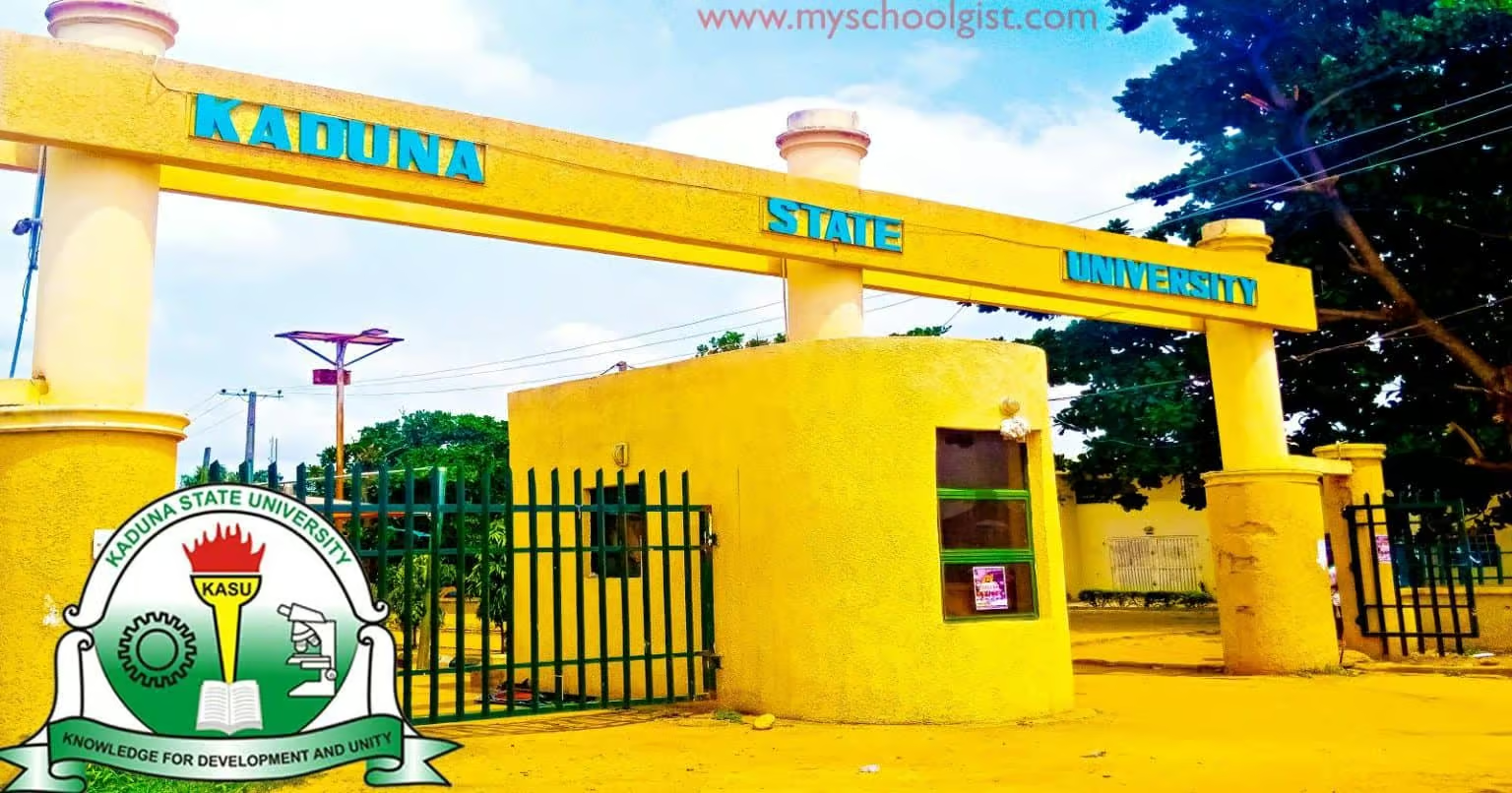
Kaduna State University (KASU) stands as a pivotal and dynamic institution of higher education in the capital of Nigeria’s former northern region. Established in 2004 by the administration of Governor Ahmed Makarfi, the university was created to expand access to quality tertiary education and drive the development of human capital within Kaduna State and beyond. Unlike older, more established universities, KASU embodies a more modern and agile academic spirit, structured across multiple campuses including its main campus in Tafawa Balewa Way, Kaduna, and other locations like Kafanchan. The university has rapidly evolved from a modest beginning into a comprehensive institution, designed to meet contemporary educational and professional demands while serving as a crucial academic pillar in a strategically important and diverse state.

Academic offerings at KASU span a wide spectrum, organized into faculties such as Arts, Social and Management Sciences, Science, Pharmaceutical Science, Engineering, Law, Medicine, and Education. It has carved a niche for itself with respected programs in fields like Law, Mass Communication, and Pharmacy, and is particularly focused on addressing local and national needs through its curricula and research. The university fosters a vibrant and growing student community, characterized by its cultural diversity reflective of Kaduna State’s unique social fabric. With a mission centered on knowledge, integrity, and service, KASU is actively engaged in community development projects and partnerships, striving to produce graduates who are not only employable but also entrepreneurial and ethically grounded contributors to society.

Tags:

KASU Student portal login password, Kaduna State University old Portal, KASU Student portal results, KASU admission Checker, Kasu result, KASU admission portal login, KASU safe record, KASU Student portal Course Registration login
Nnamdi Azikiwe University UNIZIK
Nnamdi Azikiwe University – UNIZIK


About Nnamdi Azikiwe University Awka

UNIZIK is situated in Awka, in the state of Anambra, Nigeria. Nnamdi Azikiwe University is one of the top federal universities in Nigeria and is named in memory of Nigeria’s first president. The university opened in 1992 and runs on two major campuses. These include Awka and Agulu, and it is divided into a broad spectrum of faculties such as Engineering, Health Sciences, Management Sciences, Environmental Sciences, and Arts. With the motto of “Discipline, Self-Reliance, and Excellence,”  UNIZIK provides diversified undergraduate, postgraduate, and diploma programs, which include but are not limited to disciplines such as Medicine, Law, and Engineering.

As one of the major academic hubs in southeastern Nigeria, the advent of UNIZIK promises to bring about vigor and dynamism to the face of academic pursuits not only in the region but also across the country as a whole by being at the forefront of academic excellence and contributions to society through their respective endeavors and achievements in the respective fields they choose to explore and contribute to with the help of the expertise and knowledge they have been endowed with by their illustrious namesake.

Crescent University Abeokuta CUAB
Crescent University Abeokuta – CUAB 


About Crescent University, Abeokuta (CUAB) 

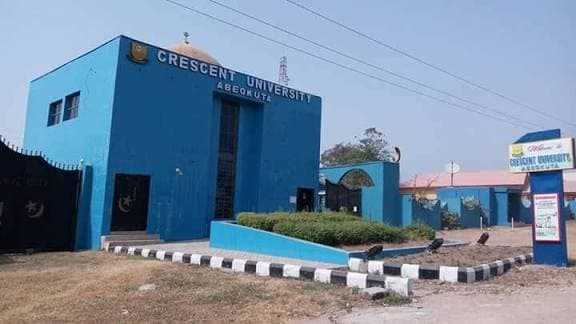
Crescent University, Abeokuta (CUAB) is one of the top private universities in Nigeria, established in 2005 by the Islamic Mission for Africa under the vision of the late Judge Bola Abdul-Jabbar. Situated in the ancient city of Abeokuta, Ogun State, it has been established with a specific vision to offer excellent tertiary education in a righteous and morally upright environment based on Islamic principles. The Institution is organized into a variety of colleges such as College of Information and Communication Technology, College of Environmental Sciences, College of Law, and College of Natural and Applied Sciences. Ever since its founding, CUAB has endeavored to maintain a mix of academic excellence and morality through a variety of undergraduate and graduate programs to raise professionals and morally righteous characters.

Apply: FG Student Venture Capital Grant (S-VCG) for Nigerian Student Founders

The Federal Government of Nigeria, through the Federal Ministry of Education, has opened the application portal for the Student Venture Capital Grant (S-VCG). This national programme is designed to help student innovators turn strong ideas into real businesses that can solve local and global problems. EducationNGR also learnt that S-VCG is a major part of the Renewed Hope Agenda, aimed at empowering a new generation of Nigerian student entrepreneurs, especially those building STEMM-based ventures.

During the official announcement, the Honourable Minister of Education, Chief Dr. Tunji Alausa FAMedS, CON, explained that the President has instructed the Ministry to find the “next Moonshot” hidden within campuses across the country. He emphasised that S-VCG is meant for bold, scalable business ideas, not just routine school projects. The grant serves as an equity-free seed investment, allowing student founders to retain full ownership of their ventures.

How the Federal Government Student Venture Capital Grant Works

S-VCG supports student-led ventures that address real problems, have growth potential and can reach the market.

Key features include:

  • Up to N50 million per venture
  • Equity-free funding, meaning founders keep 100% ownership
  • Focus on STEMM fields:
    • Science
    • Technology
    • Engineering
    • Mathematics
    • Medical Sciences

The grant prioritises ideas that can transition from campus-level concepts into real products or services—for example, health tech apps, smart agricultural devices or engineering-driven tools.

Support Package Beyond the N50 Million Grant

S-VCG provides more than financial support. Successful student teams gain access to a full development ecosystem engineered to help them build functional startups.

The support package includes:

  • Incubation programmes for idea refinement and prototype development
  • Mentorship from experienced industry leaders and founders
  • Access to digital tools and growth resources needed to test and scale innovations

This combination of funding, mentorship and technical tools helps students move from concept stage to real-world business execution.

Key Benefits for Students

Through S-VCG, students can:

  • Develop and test ideas without giving up equity
  • Gain mentorship from experts who understand business realities
  • Access advanced digital tools that would usually be expensive
  • Build strong portfolios and entrepreneurial experience for future careers

Google Partnership and Access to Gemini AI

To strengthen the programme, the Ministry of Education has partnered with Google. As part of this partnership:

Key additions include:

  • Google’s Gemini AI powers evaluation agents on the S-VCG portal
  • These agents ensure fast and fair application assessment
  • Every student who submits a valid project receives:
    • One-year free Google Gemini Pro licence
    • Access to premium learning resources

This ensures all applicants benefit, whether or not they receive the N50 million grant.

Who Can Apply for the Student Venture Capital Grant

The grant is open to:

  • Nigerian students
  • Enrolled in accredited tertiary institutions within the country

Applicants must demonstrate:

  • Clear and well-defined problem statements
  • Realistic and scalable growth plans
  • Strong market relevance
  • Clear links to STEMM fields with practical use cases

Applications should show how the idea can evolve from a small concept into a viable product or service that customers will use or pay for.

How to Apply for S-VCG

Applications must be submitted through the official Student Venture Capital Grant portal.

Requirements include:

  • A clear plan showing how the idea can scale
  • A strong explanation of why the idea matters
  • A pathway from concept to product to sustainable business

Teams must also commit to participating fully in incubation activities, mentorship sessions and technical training.

What This Grant Means for Students and the Federal Government

The S-VCG initiative gives Nigerian students a major opportunity to build serious companies while still in school. With up to N50 million in equity-free funding, structured support, and full access to Gemini AI tools, the programme provides a bridge from classroom ideas to real-world entrepreneurial success.

By supporting high-potential STEMM innovations, the Federal Government signals its commitment to placing student founders at the centre of Nigeria’s technological and economic growth.

WAAW Foundation Scholarship
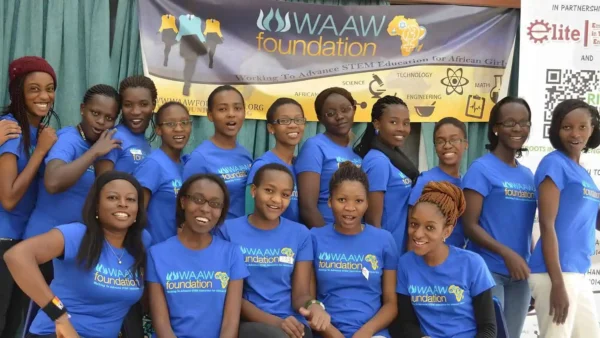
Bode Amao Foundation (BAF) Opens 2025/2026 Bursary Award for Undergraduates

The Bode Amao Foundation (BAF) has opened its 2025/2026 bursary award for qualified Nigerian undergraduates. The bursary supports indigent students in selected public universities who are enrolled in first-degree programmes and have demonstrated strong academic performance.
EducationNGR also learnt that only students certified as indigent by their university Registrar will be considered.

Coverage Universities for the 2025/2026 Award

Applicants must be fully registered students of any of the following universities during the 2025/2026 academic session:

Southeast Zone

  • Alex Ekwueme Federal University, Ndufu Alike, Ebonyi State

Southwest Zone

  • University of Ibadan, Ibadan

South South Zone

  • Federal University of Technology, Ikot Abasi, Akwa Ibom State

North Central Zone

  • Federal University of Health Technology, Otukpo, Benue State

North East Zone

  • Federal University, Wukari, Taraba State

North West Zone

  • Federal University, Gusau, Zamfara State

Only students from these institutions will be considered for the Chief Bode Amao Bursary Award.

Who Is Eligible to Apply

Academic Performance

  • Applicants must show strong academic records.
  • The CGPA is the main indicator of academic performance.
  • Students should keep correct records and supporting documents ready.

Level of Study and Status

  • Only 200-level undergraduates at the time of completing the form may apply.
  • Applicants must be bonafide and fully registered students of the listed universities.

Certification by the University Registrar

A crucial requirement is the Registrar’s certification confirming that the applicant is indigent. This proves that the student genuinely needs financial assistance. Students should begin this process early to avoid delays.

How to Get and Submit the Bursary Application Form

Step 1: Download the Bursary Form

Step 2: Complete the Form Carefully

Fill in all sections clearly and attach required documents such as:

  • Evidence of current registration
  • CGPA statement or transcript
  • Registrar-signed indigent certification

Candidates should submit only one application. False information will lead to disqualification.

Step 3: Send the Completed Form by Email

Submit the filled form and all supporting documents to any of the following email addresses:

Ensure that all scanned files are clear and readable. Applicants are encouraged to keep copies for their records.

Step 4: Submit to a BAF Representative (Optional)

Students may also submit hard copies through BAF representatives at:

  • Alex Ekwueme Federal University, Ndufu Alike
  • Balogun Odelola Moses, QF/05/11, Government House Road, P.O. Box 7088, Secretariat, Ibadan

Applicants who choose this option must ensure their documents reach the representative before the deadline.

Application Deadline for the 2025/2026 Bursary Award

The deadline for all submissions is 30 December 2025.

Students are strongly advised to:

  • Start the application process early
  • Secure Registrar certification on time
  • Submit email and/or hard copy entries well ahead of the deadline

Late applications are unlikely to be accepted.