Undergrad 101 is a practical guide to undergraduate life in Nigerian universities, polytechnics, colleges of education, and other higher institutions. Created by EducationNGR, the course is designed to help students understand the academic, administrative, social, cultural, and professional experiences that form part of life in a higher institution.
Starting from the early days of student life, the course explains experiences that many students encounter after gaining admission and resuming on campus. These include resumption, matriculation, Rag Day, and Bonfire Night, as well as the general adjustment from secondary school or another level of education to undergraduate study. Rather than simply defining these terms, the lessons explain what students can expect and how these activities fit into the wider campus experience.
The course also introduces students to the structure of higher institutions and the people who make them function. Students will learn about lecturers, academic or class advisers, laboratory technicians, heads of department, deans, deputy vice-chancellors, vice-chancellors, chancellors, Senate, and other academic and non-academic personnel. Understanding these roles can make it easier for students to know where to direct questions, academic concerns, administrative issues, and other matters that may arise during their studies.
Another major part of Undergrad 101 covers the organisations and associations that influence student and staff life in Nigerian higher institutions. The course introduces organisations such as ASUU, ASUP, COEASU, NASU, SSANU, SUG, NANS, NAUS, NAPS, NANCES, and NUNSA, explaining their general purposes, membership, activities, and relevance to students. It also examines how issues such as union activities and industrial actions can affect academic calendars and the everyday experience of students.
As students progress through their programmes, they encounter much more than lectures and examinations. The course therefore covers practical aspects of undergraduate education, including lecture timetables, scholarships, assignments, term papers, industrial training, ITF-related programmes, excursions, internships, and professional examinations. These lessons are intended to help students understand why these activities exist, what may be expected of them, and how they can approach them more effectively.
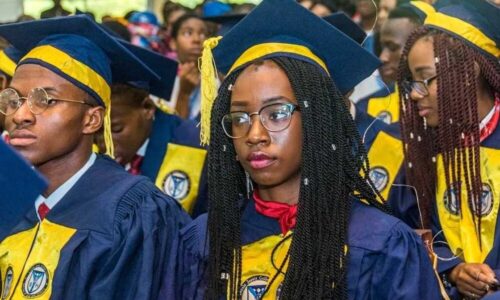
The final part of the course focuses on the transition from final-year student to graduate. It covers project proposals and seminars, final-year projects, missing academic results, result corrections and related issues, final-year activities, professional induction and oath-taking ceremonies, convocation, and important academic documents such as transcripts, statements of result, and certificates. These are areas that students often encounter only after reaching the later stages of their programme, so understanding them early can make the transition less confusing.
Throughout the course, Undergrad 101 focuses on practical understanding rather than simply presenting textbook definitions. The aim is to help students recognise how different parts of higher-institution life connect, what they may encounter at different stages of their programme, and how to navigate common academic and administrative situations more confidently.
Course Lessons Breakdown
1. Introduction to Undergrad 101
The opening section introduces students to the general undergraduate experience in Nigeria and some of the social and institutional activities associated with the beginning of campus life.
Lessons include:
- Life of an Undergraduate in Nigeria
- Resumption Date
- Rag Day
- Bonfire Night
- Matriculation Ceremony
2. Higher Institution Structure
This section explains the people, offices, and structures students are likely to encounter in a higher institution. It helps students understand the different responsibilities associated with academic, administrative, technical, and support roles.
Lessons include:
- Academic, Non-Academic, and Senior Staff
- Cleaners and Security Personnel
- Laboratory Technicians
- Lecturers
- Class/Academic Advisers
- Heads of Department
- Deans
- Deputy Vice-Chancellors
- Vice-Chancellors
- Chancellors
- Senate
3. Organisations and Unions in Higher Institutions
Students are not isolated from the wider organisations operating within Nigerian higher education. This section explains major staff unions, student organisations, and relevant associations, including their purposes and how their activities can relate to campus life.
Lessons include:
- Academic Staff Union of Universities (ASUU)
- Academic Staff Union of Polytechnics (ASUP)
- Colleges of Education Academic Staff Union (COEASU)
- Non-Academic Staff Union (NASU)
- Senior Staff Association of Nigerian Universities (SSANU)
- Students’ Union Government (SUG)
- National Association of Nigerian Students (NANS)
- National Association of University Students (NAUS)
- National Association of Polytechnic Students (NAPS)
- National Association of Nigeria Colleges of Education Students (NANCES)
- Nigerian Universities Nursing Students’ Association (NUNSA)
4. Undergraduate School Cycle
This section follows some of the major academic and practical activities students encounter during their undergraduate programme.
Lessons include:
- Lectures and Lecture Timetables
- Undergraduate Scholarships
- Union Strikes
- Industrial Training and ITF
- Excursions
- Internships
- Professional Examinations
- Term Papers and Assignments
5. Final Year as an Undergraduate
The final section focuses on the academic and administrative processes associated with completing an undergraduate programme and moving into graduate life.
Lessons include:
- Seminars and Project Proposals
- Final-Year Project
- Missing Results: Tests, Practicals, and Examinations
- Result Waving/Upgrade
- Final-Year Week
- Oath-Taking and Induction Ceremony
- Convocation Ceremony
- Transcript, Statement of Result, and Certificate
What to Expect from Undergrad 101
The lessons in this course are arranged to follow a student’s journey through higher education, beginning with general campus life and progressing through institutional structure, student and staff organisations, academic activities, and finally the final-year and graduation stages.
The topics are also kept distinct so that individual lessons can provide useful information without unnecessarily repeating material covered elsewhere in the course. For example, the lesson on ASUU focuses on the organisation itself, while the separate lesson on Union Strikes examines the possible effects of industrial action on students and academic activities.
Similarly, assignments and term papers are discussed as part of ordinary undergraduate coursework, while the Final-Year Project receives separate treatment because of its greater academic and research requirements.
Undergrad life can vary considerably from one institution, programme, and student to another. Therefore, the course provides general guidance based on common experiences within Nigerian higher education while recognising that specific rules, procedures, calendars, and requirements may differ between institutions.
By the end of Undergrad 101, students should have a broader understanding of what it means to study in a Nigerian higher institution—from the excitement and adjustment of the early years to the academic responsibilities, administrative challenges, professional experiences, and graduation milestones that may come later.
Curriculum
- 5 Sections
- 42 Lessons
- 10 Days
- Introduction to Undergrad 1015
- High Institution Structure in Nigeria11
- 2.1Staff Hierarchy (Academic, Non-Academic, and Senior Staff)7 Minutes
- 2.2Cleaners and Security7 Minutes
- 2.3Lab Technicians7 Minutes
- 2.4Lecturers7 Minutes
- 2.5Class / Academic Adviser7 Minutes
- 2.6Head of Department (HOD)
- 2.7Dean of School7 Minutes
- 2.8Deputy Vice Chancellor7 Minutes
- 2.9Vice Chancellor
- 2.10Chancellor
- 2.11Senate7 Minutes
- Organizations/Unions in High Institutions11
- 3.1Academic Staff Union of Universities (ASUU)10 Minutes
- 3.2Academic Staff Union of Polytechnics (ASUP)10 Minutes
- 3.3Colleges of Education Academic Staff Union (COEASU)10 Minutes
- 3.4Non-Academic Staff Union (NASU)10 Minutes
- 3.5Senior Staff Association of Nigerian Universities (SSANU)10 Minutes
- 3.6Students Union Government (SUG)10 Minutes
- 3.7National Association of Nigerian Students (NANS)10 Minutes
- 3.8National Association of University Students (NAUS)10 Minutes
- 3.9National Association of Polytechnic Students (NAPS)10 Minutes
- 3.10National Association of Nigeria Colleges of Education Students (NANCES)10 Minutes
- 3.11Nigerian Universities Nursing Students’ Association (NUNSA)10 Minutes
- Undergraduate School Cycle8
- Final Year as Undergraduate7
Instructor

The official account of EducatioNGR editorial team, used for publication of various educational resources and information. A Team with a combined experience of 15 years and headed by the Lead Publisher; Amakor Vitalis.
Popular Courses



Popular Courses