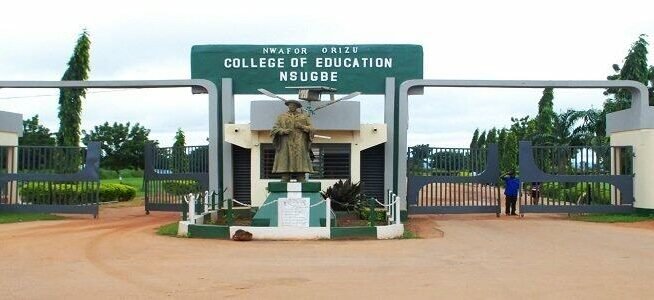
Nwafor Orizu College of Education, Nsugbe
Nwafor Orizu College of Education, Nsugbe – NOCEN

Nwafor Orizu College of Education, Nsugbe  popularly known as NOCEN  is a state government-owned College of Education located in Nsugbe, Anambra State, South-East Nigeria. The institution was established in 1976 and is one of the oldest Colleges of Education in Nigeria. It was formerly known as the College of Education, Nsugbe before being renamed in honour of Prince Abyssinia Akweke Nwafor Orizu, Nigeria’s former Senate President and Acting President during the First Republic.

NOCEN is widely recognised for teacher education, educational research, and professional training across sciences, arts, social sciences, vocational studies, and languages. The institution offers Nigeria Certificate in Education (NCE), Degree, PGDE, Sandwich, Diploma, and Part-Time programmes. Its degree programmes are affiliated with the University of Nigeria.

The college has grown steadily over the decades and now operates modern student portal systems, digital registration platforms, and multiple academic schools and departments. NOCEN continues to serve as one of the leading teacher-training institutions in Eastern Nigeria.

History of the Institution

Nwafor Orizu College of Education, Nsugbe was founded in 1976 as a teacher-training institution established by the Anambra State Government to address the growing demand for qualified teachers and educational manpower in Nigeria. The institution began under the name College of Education, Nsugbe before later adopting the name of Prince Abyssinia Akweke Nwafor Orizu.

Prince Nwafor Orizu was a prominent Nigerian nationalist, education advocate, Senate President, and Acting President of Nigeria during the First Republic. The college was named after him in recognition of his contributions to education and national development.

Since its establishment, NOCEN has expanded significantly in infrastructure, academic programmes, staff development, and student population. What began as a modest teacher-training college has evolved into a multi-disciplinary institution offering NCE, B.Ed., PGDE, Sandwich, and diploma programmes.

The institution now operates degree programmes in affiliation with the University of Nigeria, Nsukka (UNN), while maintaining strong emphasis on teacher education, instructional quality, and community development. NOCEN has also introduced online student registration systems and academic portals to improve administrative efficiency.

Location

Nwafor Orizu College of Education, Nsugbe (NOCEN)
1 College Road, Nsugbe
Anambra State, Nigeria

Email: info@nocen.edu.ng

Official Website:
NOCEN Official Website

New Student Portal Login:
NOCEN New Portal Login

Old Portal:
NOCEN Old Portal

Nsugbe is a town in Anambra East Local Government Area of Anambra State, South-East Nigeria. The community is known for agriculture, commerce, and educational institutions.

List of Courses Offered by Nwafor Orizu College of Education, Nsugbe

NOCEN offers NCE, degree, PGDE, sandwich, and professional education programmes across several schools and departments.

School of Sciences

  • Biology / Chemistry
  • Biology / Geography
  • Biology / Integrated Science
  • Biology / Mathematics
  • Chemistry / Integrated Science
  • Chemistry / Mathematics
  • Chemistry / Physics
  • Integrated Science / Mathematics
  • Integrated Science / Physics
  • Mathematics / Physics
  • Computer Education / Biology
  • Computer Education / Chemistry
  • Computer Education / Economics
  • Computer Education / Geography
  • Computer Education / Physics
  • Computer Science Education / Mathematics

School of Arts and Social Sciences

  • Economics / English
  • Economics / Geography
  • Economics / History
  • Economics / Mathematics
  • Economics / Political Science
  • Economics / Social Studies
  • English / Geography
  • English / History
  • English / Political Science
  • English / Social Studies
  • Geography / History
  • Geography / Political Science
  • Geography / Social Studies
  • History / Political Science
  • History / Social Studies
  • Political Science / Mathematics
  • Political Science / Social Studies

School of Languages

  • English / French
  • English / Igbo
  • English / Yoruba
  • French / Igbo
  • French / Mathematics
  • French / Social Studies
  • French / Yoruba
  • Igbo / Yoruba
  • Igbo / Social Studies

School of Vocational and Technical Education

  • Agricultural Science
  • Business Education
  • Home Economics
  • Fine and Applied Arts
  • Music
  • Physical and Health Education

School of Education

  • Early Childhood Care Education (ECCE)
  • Primary Education Studies (PES)

Degree Programmes

NOCEN runs affiliated degree programmes with the University of Nigeria, Nsukka (UNN), including:

  • Bachelor of Education (B.Ed.)
  • Science Education programmes
  • Arts Education programmes
  • Educational Management
  • Guidance and Counselling

Other Programmes

  • PGDE (Post Graduate Diploma in Education)
  • Sandwich Programmes
  • Part-Time Programmes
  • Diploma Programmes

For the complete and newest list of programmes, visit:
NOCEN Official Website

Admission Requirements

NCE Admission Requirements

  • Candidates must possess at least five (5) O’Level credit passes including English Language.
  • Results must be obtained in WAEC, NECO, NABTEB, or equivalent examinations.
  • Applicants are expected to participate in JAMB UTME.
  • Candidates should choose NOCEN as first choice institution where applicable.
  • Awaiting result candidates may apply subject to verification.

Degree Programme Requirements

  • Candidates must satisfy the admission standards of the affiliate university.
  • Direct Entry admission is available for qualified NCE holders.

PGDE Admission

  • Applicants must possess a recognised Bachelor’s degree or HND qualification.

Portal Login:
NOCEN Portal Login

School Fees

As a state-owned College of Education, NOCEN school fees are relatively affordable compared to many universities and private colleges.

Previously reported fee estimates include:

  • Fresh NCE Students: approximately ₦50,000 – ₦90,000 per session
  • Returning Students: approximately ₦40,000 – ₦70,000
  • Degree students may pay different fees depending on programme structure
  • Acceptance fees and departmental charges may apply separately

Additional charges may include:

  • ICT fees
  • Teaching practice fees
  • Hostel fees
  • Departmental dues

Please check school website or latest news below for newest update.

Cut-off Mark

The last widely reported JAMB cut-off mark for NOCEN admission is approximately 100 for many NCE programmes. Degree-affiliated programmes may require higher scores depending on programme competitiveness.

Hostel / Accommodation

NOCEN provides accommodation facilities for students within and around the campus environment. Students may also rent private accommodation within Nsugbe and nearby communities in Anambra State.

Hostel allocation is usually based on availability and completion of registration procedures.

Notice Board

Nwafor Orizu College Announces Combined Convocation Ceremony

The management of Nwafor Orizu College of Education, Nsugbe, Anambra State, has announced its 21st, 22nd and 23rd combined convocation ceremony. The event will celebrate the academic achievements of graduands from the three convocation sets.

According to the special invitation issued by the college, the combined convocation ceremony is scheduled to hold on Thursday, 19 November, and Friday, 20 November 2026.

The ceremony is expected to bring together graduands, parents, guardians, members of staff, alumni, friends and well-wishers to celebrate the achievements of the graduating students.

All invited guests, graduands and members of the college community are encouraged to attend and participate in the two-day event marking the institution’s combined convocation celebration.

Official Website and Portal Links

Resource Link
Official Website NOCEN Official Website
New Student Portal NOCEN New Portal
Old Student Portal NOCEN Old Portal
Student Login NOCEN Portal Login

Contact Information

Nwafor Orizu College of Education, Nsugbe (NOCEN)
1 College Road, Nsugbe
Anambra State, Nigeria

Email: info@nocen.edu.ng

Phone Numbers:

  • +234 803 339 4180
  • +234 703 103 3232

Website:
NOCEN Website

Frequently Asked Questions (FAQs)

What does NOCEN stand for?
NOCEN stands for Nwafor Orizu College of Education, Nsugbe.

Where is NOCEN located?
The institution is located at Nsugbe in Anambra State, Nigeria.

When was NOCEN established?
NOCEN was established in 1976.

Is NOCEN a federal or state institution?
NOCEN is a state government-owned College of Education under the Anambra State Government.

Does NOCEN offer degree programmes?
Yes. NOCEN runs affiliated degree programmes with the University of Nigeria, Nsukka (UNN).

What is the official NOCEN portal?
The official student portal is:
NOCEN Student Portal

Can students check results online on the NOCEN portal?
Yes. Students can check semester results and perform registration activities through the portal system.

What courses does NOCEN offer?
NOCEN offers programmes in sciences, arts, education, languages, vocational studies, social sciences, and teacher education.

What is the cut-off mark for NOCEN?
The last reported cut-off mark for many programmes is around 100.

Does NOCEN provide hostel accommodation?
Yes. Hostel accommodation is available for students subject to availability.

What should I do if I forget my NOCEN portal password?
Students experiencing login or password issues should contact the ICT unit or school administration through the official website or portal support channels.

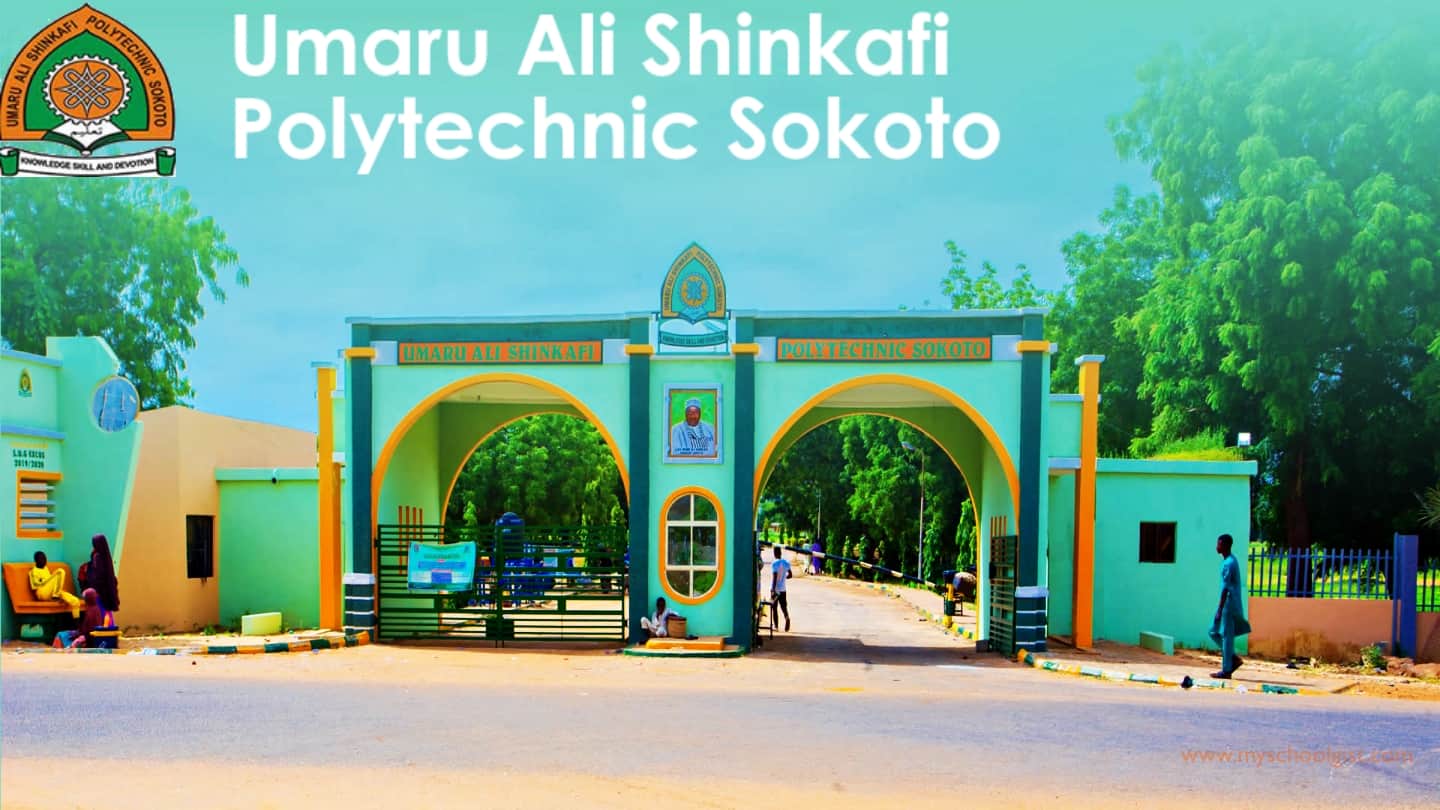
Umaru Ali Shinkafi Polytechnic
Umaru Ali Shinkafi Polytechnic, Sokoto – UASP

Umaru Ali Shinkafi Polytechnic  widely known as SOSPOLY  is a state government-owned polytechnic located in Sokoto, Sokoto State, North-Western Nigeria. The institution was established in 2002 . The polytechnic is fully accredited by the National Board for Technical Education (NBTE). Umaru Ali Shinkafi Polytechnic offers National Diploma (ND) and Higher National Diploma (HND) programmes across various schools of study. The institution is named after Alhaji Umaru Ali Shinkafi, a renowned Nigerian politician and statesman. The polytechnic is also known as Sokoto State Polytechnic (SOSPOLY) .

History of the Institution

Umaru Ali Shinkafi Polytechnic, Sokoto, was established in 2002 by the Sokoto State Government to provide technical and vocational education to the people of Sokoto State and the North-Western region of Nigeria . The institution was created to address the growing need for middle-level manpower in the state and to contribute to the technological advancement of the region.

The polytechnic was named after Alhaji Umaru Ali Shinkafi, a distinguished Nigerian politician who served as Federal Commissioner for Internal Affairs and played significant roles in the nation’s political development. Since its establishment, the institution has grown in student population and academic offerings, receiving full accreditation from the NBTE for most of its programmes.

The polytechnic has held convocation ceremonies celebrating its graduating students, with thousands of graduates earning distinctions, upper credits, and lower credits across various academic sessions . The National Board for Technical Education (NBTE) has approved resource visitation to commence additional courses in the institution, including Accountancy, Banking and Finance, Architecture, and Chemical Engineering Technology .

The current Rector of the institution is Professor Ibrahim Aminu .

Location

Umaru Ali Shinkafi Polytechnic (SOSPOLY)
Sokoto
Sokoto State, Nigeria

Website: https://www.uaspolysok.edu.ng/

Alternative Domain: https://uasp.edu.ng/

Staff Login Portal: https://www.uaspolysok.edu.ng/staff/login

The polytechnic is located in Sokoto, the capital of Sokoto State, in North-Western Nigeria. Sokoto is a historic city known as the seat of the Sokoto Caliphate and serves as a major commercial and educational centre in the region.

List of courses offered by Umaru Ali Shinkafi Polytechnic

Umaru Ali Shinkafi Polytechnic offers ND and HND programmes across various disciplines. Below is the list of accredited courses offered at SOSPOLY :

School of Agriculture and Applied Sciences

  • Agricultural Technology

  • Animal Health and Production Technology

  • Science Laboratory Technology

School of Engineering Technology

  • Civil Engineering Technology

  • Electrical/Electronic Engineering Technology

  • Mechanical Engineering Technology

  • Production Technology

  • Building Technology

School of Management Sciences

  • Business Administration and Management

  • Public Administration

  • Local Government Studies

  • Marketing

  • Office Technology and Management

School of Communication and Social Sciences

  • Mass Communication

  • Social Development

  • Statistics

  • Computer Science

Additional Courses (Approved by NBTE to commence)

  • Accountancy 

  • Banking and Finance 

  • Architecture 

  • Chemical Engineering Technology 

For the complete and most up-to-date list of courses, including downloadable PDF options (Umaru Ali Shinkafi Polytechnic, Sokoto Courses pdf), please visit the official website at https://www.uaspolysok.edu.ng/.

Admission Requirements

ND (National Diploma) Full-Time Admission

  • A minimum of five (5) O’Level credit passes including English Language and Mathematics, obtained in not more than two sittings in WAEC, NECO, GCE O’Level, or NABTEB

  • A valid JAMB UTME score meeting the polytechnic’s cut-off mark

  • Candidates must select Umaru Ali Shinkafi Polytechnic as their institution of first choice

  • All eligible candidates must participate in the polytechnic’s screening exercise

HND (Higher National Diploma) Admission

  • A relevant ND with a minimum of Lower Credit (CGPA 2.50) from an NBTE-accredited institution

  • A minimum of one year of post-ND industrial training (SIWES/IT) is compulsory

  • Five O’Level credit passes including English Language and Mathematics in not more than two sittings

For the 2025/2026 academic session, the polytechnic announced the official commencement of the sale of admission forms for both ND and HND programmes. Interested applicants are advised to obtain application forms through the polytechnic’s admissions portal .

Please visit the official admissions portal for the most current admission requirements and deadlines.

School Fees

Umaru Ali Shinkafi Polytechnic is one of the most affordable state polytechnics in North-Western Nigeria. The estimated school fees for fresh ND and HND students for the 2024/2025 academic session are approximately ₦100,000 .

The school fees breakdown includes:

  • Tuition fee for fresh ND and HND students (as approved by the management)

  • Acceptance fee for fresh students (payable separately)

Umaru ali shinkafi polytechnic sokoto fees should be confirmed from the official portal. Engineering and science-based programmes may attract additional laboratory, workshop, and practical levies above the base tuition. Fees may vary by programme and year of study.

The polytechnic provides accommodation facilities for her students . School fees are paid via the official payment portal through the student portal . Students should confirm account numbers from official sources only before making any payment.

Please visit the official website at https://www.uaspolysok.edu.ng/ for the most current and officially confirmed school fees schedule, as fees are subject to annual review.

Cut-Off Mark

The general JAMB cut-off mark for Umaru Ali Shinkafi Polytechnic is set by the Joint Admissions and Matriculation Board (JAMB) for polytechnics. Candidates who meet the general cut-off and select SOSPOLY as their first choice institution are eligible for admission consideration.

Candidates who meet the cut-off must still participate in the polytechnic’s admission screening process and meet any departmental requirements for their chosen course.

Please visit the official website for the most current and officially confirmed cut-off mark and departmental requirements.

Umaru Ali Shinkafi Polytechnic Sokoto Login Portal Login

The student portal is an online platform designed to help new and returning students manage their studies more efficiently, including course registration, checking results, paying fees, and accessing school updates .

Portal Functions :

  • Payment and confirmation of school fees, acceptance fees, and accommodation fees

  • Invoice generation

  • Course registration for fresh and returning students

  • Checking of student profiles and updating personal information

  • Viewing of undergraduate and postgraduate results

  • Application for remedial programs and transcripts

  • Course change applications

How to Access Umaru Ali Shinkafi Polytechnic Sokoto Login Portal Login :

For Fresh Students (New Applicants & Newly Admitted Students):

  • Visit the official portal at https://www.uaspolysok.edu.ng/

  • Enter your username (usually your JAMB registration number or admission details)

  • Enter your password (provided during admission or registration)

  • Click on “Login” to access your dashboard

For Returning Students:

  • Go to the portal at https://www.uaspolysok.edu.ng/

  • Enter your username (usually your matriculation number)

  • Input your password (use the one assigned to you or reset it if forgotten)

  • Click on “Login” to access your profile

Alternative Portal Access: Students may also access the portal via the alternative domain at https://uasp.edu.ng/ or the staff login portal at https://www.uaspolysok.edu.ng/staff/login for staff-specific functions.

Upon logging in, you should be able to complete any online application, payment, or registration as an undergraduate applicant or student on the SOSPOLY portal .

Umaru Ali Shinkafi Polytechnic Student Result Checking

How to Check Umaru Ali Shinkafi Polytechnic student result online :

  • Go to the SOSPOLY students’ portal at https://www.uaspolysok.edu.ng/

  • Log in by entering your matriculation number (Reg Number) and password (Access code)

  • Select “Result Checking”

  • Click on “Check results”

  • Print if you choose to print it out

  • Then log out

Umaru Ali Shinkafi Polytechnic, Sokoto check result online Login portal access requires your matriculation number for returning students or registration number for new students.

Umaru Ali Shinkafi Polytechnic, Sokoto result checking is available for ND and HND students, including Part Time, Regular, Weekend, Pre-ND, and Full Time programmes to check 1st and 2nd semester, test, and other examination results online .

Please note that results appear online as they are uploaded. In case you check and it is not online yet, you should check back later .

Umaru Ali Shinkafi Polytechnic, Sokoto Admission List

Umaru Ali Shinkafi Polytechnic, Sokoto Admission List pdf can be accessed through the following methods :

Method 1: Physical Notice Board
As of the latest information, SOSPOLY prospective students are to check their names from the list posted on the NOTICE BOARD within the school premises .

Method 2: JAMB CAPS Portal
Candidates can check their admission status online through the JAMB Central Admission Processing System (CAPS) :

  • Visit the JAMB admission portal at https://portal.jamb.gov.ng/efacility_/

  • Login to your JAMB profile with your username and password

  • Scroll down then locate and click the ‘Check Admission Status’ tab

  • Select your exam year and enter your registration number in the required column

  • Finally, click on ‘Check Admission Status’ to access your admission status

How to Accept or Reject Admission on JAMB CAPS :

  • Successfully admitted candidates are advised to go to JAMB CAPS portal to ACCEPT or REJECT the offer

  • After checking admission status, you will see a page showing your JAMB details

  • If you have been given admission, you can go ahead to Accept or Reject the Admission

  • This is an important step as it allows the school to ascertain that you accept the offer of admission

Umaru Ali Shinkafi Polytechnic Sokoto admission portal can be accessed via the official polytechnic website at https://www.uaspolysok.edu.ng/ .

Post-UTME Results

How to Check SOSPOLY Post UTME Result :

  • Go to the SOSPOLY Post-UTME portal at http://www.sospoly.edu.ng/

  • Supply your details in the required columns

  • Finally, click on the ‘Submit’ button to access your SOSPOLY post UTME score

The Post-UTME Screening Result (or Aptitude Test Result) is simply the results of candidates that participated in the institution’s Post-UTME Admission Screening exercise. The Post-UTME result is not the admission list .

Hostel / Accommodation

The polytechnic provides accommodation facilities for her students . Hostel accommodation is optional, and students may also choose to rent private accommodation in Sokoto town.

Please visit the official website for the most current hostel fees and accommodation application procedures.

Official Website and Portal Links

| Resource | Link |
| Official Website | https://www.uaspolysok.edu.ng/ |
| Alternative Domain | https://uasp.edu.ng/ |
| Staff Login Portal | https://www.uaspolysok.edu.ng/staff/login |
| Student Portal | https://www.uaspolysok.edu.ng/ |
| Admissions Portal | Available via official website |

Contact Information

Umaru Ali Shinkafi Polytechnic (SOSPOLY)
Sokoto
Sokoto State, Nigeria

Email: info@uaspolysok.edu.ng 
Website: https://www.uaspolysok.edu.ng/

Please visit the official website for current contact information, including phone numbers.

Frequently Asked Questions (FAQs)

Where is Umaru Ali Shinkafi Polytechnic located?
The polytechnic is located in Sokoto, Sokoto State, North-Western Nigeria.

When was Umaru Ali Shinkafi Polytechnic established?
The polytechnic was established in 2002 .

What are the courses offered at Umaru Ali Shinkafi Polytechnic?
Courses include Agricultural Technology, Animal Health and Production Technology, Civil Engineering, Electrical/Electronic Engineering, Mechanical Engineering, Business Administration, Public Administration, Mass Communication, Computer Science, Statistics, and many more .

Is there a Umaru Ali Shinkafi Polytechnic, Sokoto Courses pdf available?
For a downloadable PDF version of courses, please visit the official website at https://www.uaspolysok.edu.ng/.

How much are the school fees?
The estimated school fees for fresh ND and HND students is approximately ₦100,000 . Please confirm current fees on the official website.

How do I access Umaru Ali Shinkafi Polytechnic Sokoto Login Portal Login?
Visit https://www.uaspolysok.edu.ng/. Freshers log in with their JAMB registration number; returning students log in with their matriculation number .

How do I check Umaru Ali Shinkafi Polytechnic student result?
Log in to the student portal at https://www.uaspolysok.edu.ng/ with your matriculation number and password, select “Result Checking,” and click “Check results” .

How do I check Umaru Ali Shinkafi Polytechnic, Sokoto check result online Login portal?
Use the student portal login at https://www.uaspolysok.edu.ng/ with your credentials .

How do I check Umaru Ali Shinkafi Polytechnic, Sokoto Admission List?
Check the notice board within the school premises or check your admission status on JAMB CAPS at https://portal.jamb.gov.ng/efacility_/ .

What is Umaru Ali Shinkafi Polytechnic Sokoto admission portal?
The admission portal is accessed via the official polytechnic website at https://www.uaspolysok.edu.ng/ .

Is there a Umaru Ali Shinkafi Polytechnic, Sokoto Admission List pdf available?
Admission lists are typically posted on the notice board within the school premises. Candidates can also check their admission status on JAMB CAPS and print their admission letter .

What is Umaru Ali Shinkafi Polytechnic, Sokoto result checking procedure?
Log in to the student portal, select Result Checking, and click on Check results .

Who is the current Rector of the polytechnic?
The current Rector is Professor Ibrahim Aminu .

Is Umaru Ali Shinkafi Polytechnic a federal or state institution?
SOSPOLY is a state government-owned institution, fully funded and controlled by the Sokoto State Government. It is not a federal polytechnic.

What additional courses have been approved for the polytechnic?
The NBTE has approved the commencement of additional courses including Accountancy, Banking and Finance, Architecture, and Chemical Engineering Technology .

TAGS

Umaru Ali Shinkafi Polytechnic Sokoto Login Portal Login, Umaru Ali Shinkafi Polytechnic student result, Umaru Ali Shinkafi Polytechnic Sokoto check result online Login portal, Umaru Ali Shinkafi Polytechnic Sokoto Admission List pdf, Umaru ali shinkafi polytechnic sokoto fees, Umaru Ali Shinkafi Polytechnic Sokoto admission portal, Umaru Ali Shinkafi Polytechnic Sokoto Courses pdf, Umaru Ali Shinkafi Polytechnic Sokoto result, SOSPOLY portal, SOSPOLY fees, SOSPOLY admission list, SOSPOLY courses, SOSPOLY student portal, Umaru Ali Shinkafi Polytechnic ND admission, Umaru Ali Shinkafi Polytechnic HND admission, Sokoto State Polytechnic


UASP Latest News

No post found

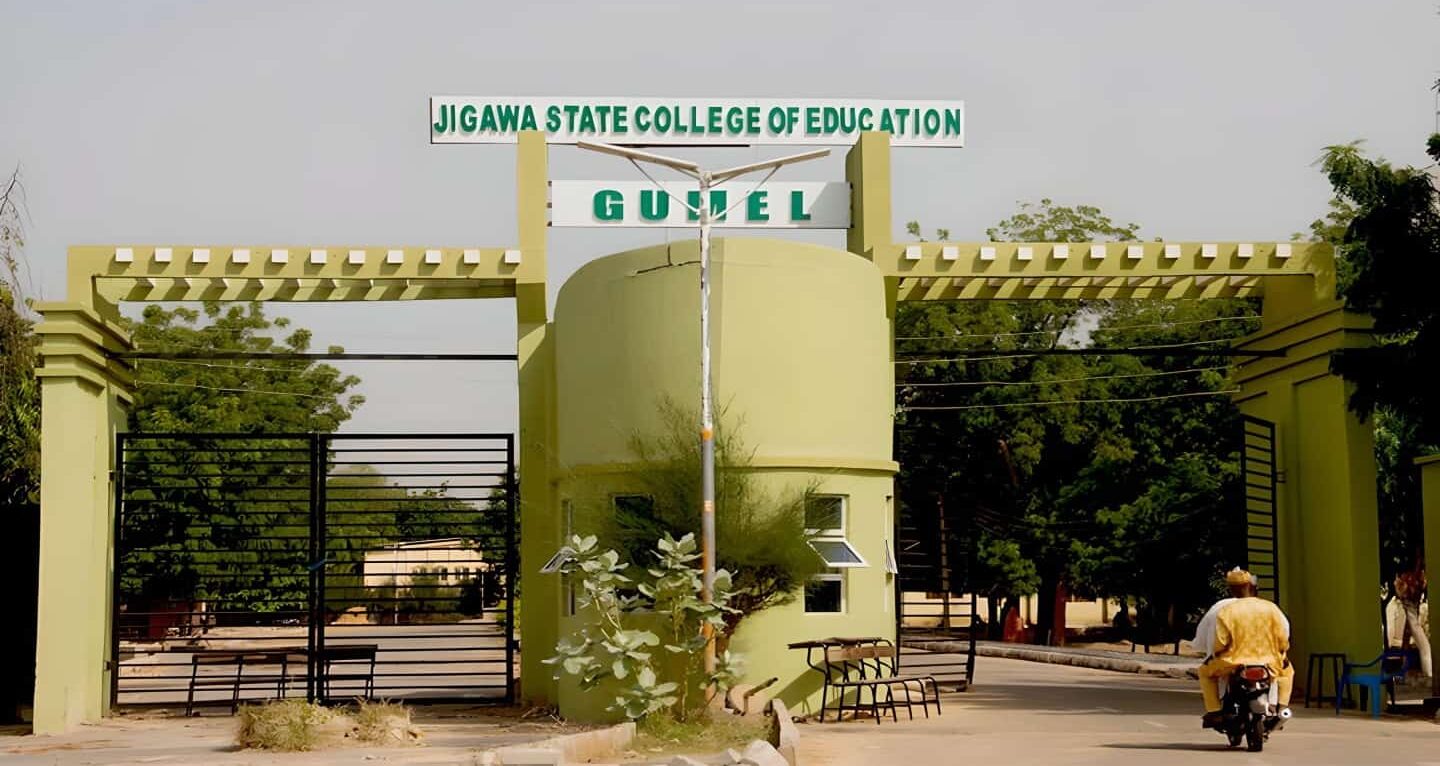
Jigawa State College of Education
Jigawa State College of Education, Gumel – JSCOEG

Jigawa State College of Education, Gumel  widely known as JSCOEG or JSCE Gumel  is a state government-owned College of Education located in Gumel, Gumel Local Government Area, Jigawa State, North-West Nigeria. The college was established in April 1976 with its temporary site in Kano until 25th February, 1980 when it was transferred to its permanent site at Gumel under the directive of the Kano State civilian Governor. The college offers NCE and degree programmes, with degree programmes affiliated with Bayero University Kano (BUK). It is funded and managed by the Jigawa State Government, fully accredited by the National Commission for Colleges of Education (NCCE), and has consistently expanded its academic scope over the decades. The current Provost leads the institution in its mission of producing quality, morally sound, and practically skilled teachers for primary, junior, and senior secondary schools across Nigeria. JSCOEG’s admission portal for the 2024/2025 academic session is open via jscoegumel.admissions.cloud.

History of the Institution

The College was established in April 1976 with its temporary site in Kano until 25th of February, 1980 when it was transferred to its permanent site at Gumel under the directive of the Kano State civilian Governor then. Later the College administration was centralized with six other Colleges under the then Kano State Institute for Higher Education on the 1st July, 1987. The then Kano State College of Education consisting of former Advanced Teachers’ College Gumel and Kumbotso, Kano were established under the Kano State Colleges of Education Edict of 1987.

The creation of Jigawa State out of Kano State automatically converted the College to Jigawa State on the 24th of December, 1991. The edict establishing the College was promulgated in 1992.

The institution began as a Grade II Teachers’ College in 1978 and has expanded into a large college that offers National Certificate in Education (NCE) programmes. Over the decades, the college expanded from a small teacher training institution into a comprehensive College of Education offering NCE, Pre-NCE, degree, and diploma programmes across six schools. Management of the Jigawa State College of Education, Gumel concluded preparations to kick-start about nine degree courses, now run in affiliation with Bayero University Kano (BUK), covering both Arts/Social Sciences and Sciences disciplines.

The college has benefited extensively from TETFund annual and special interventions covering physical infrastructure, academic staff training and development, entrepreneurship, library development, conference attendance, institution-based research, ICT support, equipment fabrication, teaching practice, academic research journal publication, and academic manuscript development.

Location

Jigawa State College of Education, Gumel (JSCOEG) P.M.B. Gumel Gumel Local Government Area Jigawa State, Nigeria

Please visit the official website for current phone and email contact details.

Gumel is the headquarters of Gumel LGA in Jigawa State, North-West Nigeria, located approximately 130 km north-east of Kano.

List of Courses Offered by Jigawa State College of Education, Gumel

JSCOEG offers NCE, Pre-NCE, and Degree programmes across six schools. The complete official list of courses is published at jscoegumel.admissions.cloud/list_of_courses.

School of Adult and Non-Formal Education

  • NCE Adult and Non-Formal Education / English
  • NCE Adult and Non-Formal Education / Hausa
  • NCE Adult and Non-Formal Education / Islamic Religious Knowledge
  • NCE Adult and Non-Formal Education / Social Studies
  • NCE Adult and Non-Formal Education / History
  • NCE Special Needs Education (Double Major)
  • NCE Special Needs Education / English
  • NCE Special Needs Education / Hausa
  • NCE Special Needs Education / Islamic Religious Knowledge
  • NCE Special Needs Education / Social Studies
  • NCE Special Needs / Computer

School of Early Childcare Education

  • NCE Early Childhood Care Education (Double Major)
  • NCE Primary Education Studies (Double Major)

School of Secondary Education — Arts and Social Sciences

  • NCE Economics / English
  • NCE Economics / Islamic Studies
  • NCE Economics / Social Studies
  • NCE Geography / English, Islamic Studies, Computer Science, Integrated Science, Mathematics, Social Studies
  • NCE History / English, Hausa, Geography, Islamic Studies, Social Studies
  • NCE Islamic Studies / Economics, Geography, History, Social Studies
  • NCE Social Studies (Double Major)
  • NCE Social Studies / Arabic, English, Hausa, Islamic Studies

School of Secondary Education — Languages

  • NCE Arabic Medium (Double Major), Arabic / English, Arabic / Hausa, Arabic / Islamic Studies, Arabic / Social Studies
  • NCE English / Economics, Hausa, History, Islamic Studies, Social Studies
  • NCE Hausa / Arabic, History, Islamic Studies, Social Studies

School of Secondary Education — Sciences

  • NCE Biology / Chemistry, Computer Education, Integrated Science, Mathematics, Physics
  • NCE Chemistry / Integrated Science
  • NCE Computer Science / Chemistry, Integrated Science, Mathematics, Physics
  • NCE Integrated Science (Double Major), / Chemistry, Mathematics, Physics
  • NCE Mathematics / Biology, Chemistry, Geography, Integrated Science, Physics
  • NCE Physical and Health Education (Double Major)
  • NCE Physics / Computer Education, Mathematics, Integrated Science

School of Secondary Education — Vocational and Technical Education

  • NCE Agricultural Education (Double Major)
  • NCE Business Education (Double Major)
  • NCE Fine and Applied Arts (Double Major)
  • NCE Home Economics (Double Major)

Pre-NCE Programmes (across all Schools)

  • Pre-NCE Arts / Social Sciences combinations
  • Pre-NCE Languages combinations
  • Pre-NCE Sciences combinations
  • Pre-NCE Vocational and Technical Education combinations

Degree Programmes (Affiliated with Bayero University Kano — BUK)

For the complete official course list, visit jscoegumel.admissions.cloud/list_of_courses or see the latest news below.

Admission Requirements

NCE Full-Time Admission Candidates who made the Jigawa State College of Education their First or Second Choice for the UTME, and had a minimum score of 100 can proceed to apply for the Post-UTME screening form.

  • A minimum of five (5) O’Level credit passes including English Language, obtained in not more than two sittings in WAEC, NECO, GCE O’Level, or NABTEB.
  • A valid JAMB UTME score of at least 100 is required.
  • Both first-choice and second-choice JAMB candidates are eligible to apply.
  • All eligible candidates must participate in the JSCOEG Post-UTME screening exercise.
  • Candidates awaiting O’Level results may apply.

Pre-NCE Programme Admission

Degree Programme Admission (BUK Affiliated)

NCE Application Portal: jscoegumel.admissions.cloud

Please see the latest news below or visit the school website for the most current admission requirements and deadlines.

School Fees

The JSCOE school fees is between ₦17,637 to ₦55,000 depending on the exact programme and year of study. The fees are for NCE/Degree indigene and non-indigene students. Jigawa State College of Education, Gumel is one of the most affordable Colleges of Education in North-West Nigeria.

Summary of last known fees:

  • NCE Fresh Indigenes: approximately ₦17,637 — ₦30,000 per session
  • NCE Fresh Non-Indigenes: approximately ₦30,000 — ₦55,000 per session
  • Returning Students: lower than fresh student fees
  • Degree Programme Students: slightly higher fee structure
  • Students who wish to stay in the College hostel should pay the sum of ₦3,500 per session — making JSCOEG’s hostel one of the most affordable in Nigeria

Please see the latest news below or visit the school website for the most current and officially confirmed school fees schedule.

Cut-off Mark

Candidates who made the Jigawa State College of Education their First or Second Choice for the UTME, and had a minimum score of 100, can proceed to apply for the Post-UTME screening form. The general minimum JAMB cut-off mark for NCE programmes at JSCOEG is therefore 100. For affiliated degree programmes, the cut-off mark is aligned with Bayero University Kano’s requirements.

Please see the latest news below or visit the school website for the most current and officially confirmed cut-off mark information.

Post-UTME / Screening Information

JSCOEG conducts a Post-UTME screening exercise for all eligible JAMB candidates. Both first-choice and second-choice JAMB candidates who scored 100 and above may apply. Post-UTME registration and application are done via the official admission portal.

NCE Application Portal: jscoegumel.admissions.cloud

Check Admission List: jscoegumel.admissions.cloud

Please see the latest news below or visit the school website for the most current Post-UTME dates and requirements.

Hostel / Accommodation

On-campus residential accommodation is offered on a first-come, first-served basis in the school’s hostels. Students who wish to stay in the College hostel should pay the sum of ₦3,500 per session. Privately owned hostels and rented apartments are also available off-campus, located a short distance from the college. Some accommodation options include meals, while others have shared kitchens.

Please see the latest news below or visit the school website for the most current hostel fees and accommodation procedures.

Notable Alumni

Please see the latest news below or visit the school website for information on notable alumni of Jigawa State College of Education, Gumel.

Official Website and Portal Links

Resource Link
Official Website jscoeg.edu.ng
NCE Application Portal jscoegumel.admissions.cloud
NCE Registration / Student Portal jscoegumel.safsrms.com
Pre-NCE Portal jscoegumel_prence.admissions.cloud
Degree Application Portal applicant.safapply.com/jscoegumel_degree
Degree Registration Portal degree.safrecords.com/login
SAF Student Records jscoegumel.safrecords.com
List of Courses jscoegumel.admissions.cloud/list_of_courses
Admission Requirements jscoeg.edu.ng/admission-requirements
Schools / Departments jscoeg.edu.ng/schools
About / History jscoeg.edu.ng/about
News / Blog jscoeg.edu.ng/blog
Campuses jscoeg.edu.ng/campuses-2
FOI Portal jscoeg.edu.ng/foi-portal
Contact jscoeg.edu.ng/contact
eLibrary via official website

Contact Information

Jigawa State College of Education, Gumel (JSCOEG) P.M.B. Gumel, Gumel Local Government Area Jigawa State, Nigeria

Please visit the official contact page for current phone and email contact details.

Frequently Asked Questions (FAQs)

Where is Jigawa State College of Education, Gumel located? JSCOEG is located in Gumel, Gumel Local Government Area, Jigawa State, North-West Nigeria — approximately 130 km north-east of Kano.

When was Jigawa State College of Education, Gumel established? The College was established in April 1976 with its temporary site in Kano until 25th February, 1980 when it was transferred to its permanent site at Gumel. The creation of Jigawa State out of Kano State automatically converted the College to Jigawa State on the 24th of December, 1991.

Does JSCOEG accept second-choice JAMB candidates? Yes. Candidates who made JSCOEG their First or Second Choice for the UTME, and had a minimum score of 100, can proceed to apply.

Does JSCOEG offer degree programmes? Yes. JSCOEG degree programmes are affiliated with Bayero University Kano (BUK). The college has about nine degree courses currently running. Apply via applicant.safapply.com/jscoegumel_degree.

How much are JSCOEG school fees? The school fees range from ₦17,637 to ₦55,000 depending on the exact programme and year of study. The hostel fee is ₦3,500 per session. JSCOEG is one of the most affordable Colleges of Education in Nigeria.

How do I check my admission list or results at JSCOEG? Visit the NCE admission portal at jscoegumel.admissions.cloud or the student registration portal at jscoegumel.safsrms.com to check your admission status and results. The SAF records portal at jscoegumel.safrecords.com also provides access to student records.

How do I log in to the College of Education Hong student portal? For Jigawa State College of Education (JSCOEG), the student registration portal is jscoegumel.safsrms.com. Note: COE Hong is a different institution (in Adamawa State). The JSCOEG portals serve Gumel, Jigawa State students only.

What is the JAMB cut-off mark for JSCOEG? The minimum cut-off mark is 100 for NCE programmes. For BUK-affiliated degree programmes, the cut-off is aligned with BUK’s admission standards.

How affordable is JSCOEG? School fees range from ₦17,637 to ₦55,000 per session, and hostel fee is ₦3,500 per session — making JSCOEG one of the most affordable tertiary institutions in Nigeria.

TAGS

Jigawa State College of Education Gumel portal result PDF, Jigawa State College of Education Gumel admission list, Jigawa State College of Education Gumel portal login, Jigawa State College of Education Gumel results, Jigawa state college of education gumel fees, Jigawa state college of education gumel address, Jigawa state college of education gumel reviews, Jigawa state college of education gumel courses


JSCOEG Latest News

No post found

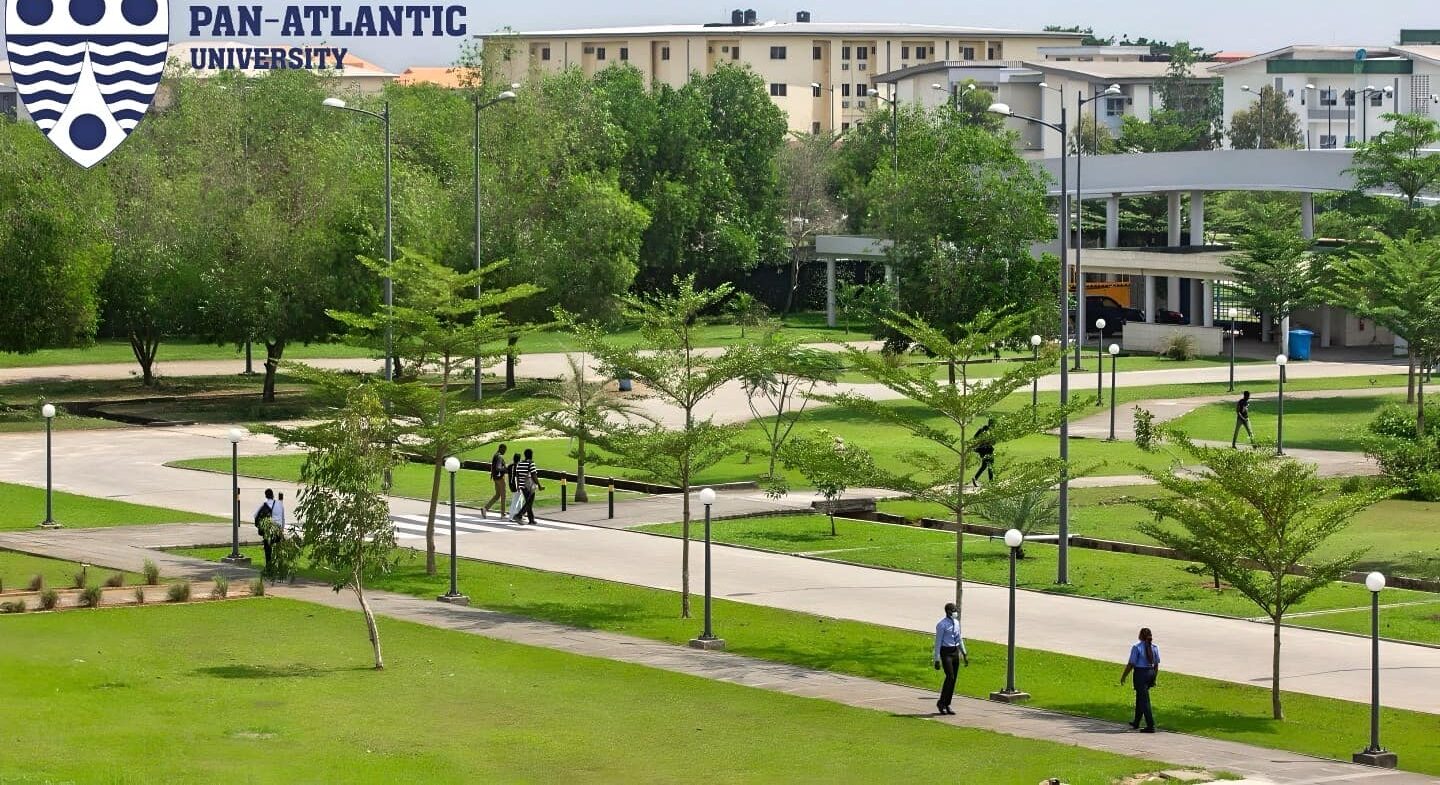
Pan-Atlantic University
Pan-Atlantic University – PAU

Pan-Atlantic University popularly known as PAU, is one of Nigeria’s most prestigious private universities and is widely regarded as a premium institution for business, media, communication, technology, and leadership education. Located along the Lekki-Epe Expressway in Ibeju-Lekki, Lagos State, Pan-Atlantic University evolved from the highly respected Lagos Business School (LBS), which remains one of Africa’s leading business schools. The university officially received approval to operate as a private university in 2002 and has since developed a strong reputation for academic excellence, corporate relevance, ethical leadership, entrepreneurship, and industry-focused education.

PAU is known for maintaining relatively small class sizes, world-class teaching standards, international academic partnerships, and a curriculum heavily connected to industry and practical experience. The university is especially recognized for its School of Media and Communication, Lagos Business School, and expanding School of Science and Technology. Many students and employers consider PAU one of the most employability-focused universities in Nigeria due to its strong corporate network, internship culture, leadership training, and professional development structure.

The institution attracts students from across Nigeria and internationally, particularly students interested in business, media, technology, entrepreneurship, finance, communication, and engineering. PAU also hosts innovation programmes, leadership development initiatives, entrepreneurship hubs, executive education programmes, and international collaborations that strengthen its global reputation.

Pan-Atlantic University is among the more expensive private universities in Nigeria, but it is equally known for high-quality facilities, corporate exposure, strong alumni networks, and a modern educational environment that many compare to international private universities. The university also operates scholarship and financial support programmes including the Mastercard Foundation Scholars Program aimed at supporting academically talented students with financial need.

History of the Institution

Pan-Atlantic University traces its origins to the Lagos Business School (LBS), which was established in 1991 as a management education institution focused on developing ethical business leaders for Nigeria and Africa. The success and reputation of Lagos Business School eventually led to the establishment of Pan-African University in 2002, which was later renamed Pan-Atlantic University.

The institution was founded with a vision of providing world-class education rooted in professionalism, ethics, entrepreneurship, and social responsibility. From its inception, PAU emphasized close collaboration between academia and industry, ensuring that students receive practical and globally relevant education.

Over the years, the university expanded from management education into media studies, communication, science, technology, engineering, and data-focused disciplines. The School of Media and Communication became one of the most respected communication schools in West Africa, while the School of Science and Technology introduced modern programmes designed to align with Nigeria’s growing technology and engineering sectors.

PAU has also gained recognition internationally through partnerships, exchange programmes, executive education, research initiatives, and professional training collaborations. The university continues investing heavily in infrastructure, digital education, innovation centers, entrepreneurship development, and leadership training.

Location

Pan-Atlantic University is located at:

Pan-Atlantic University
Km 52, Lekki-Epe Expressway
Ibeju-Lekki
Lagos State
Nigeria

The campus is situated in the rapidly developing Lekki-Epe corridor of Lagos State. The environment is modern, organized, and designed to support high-level academic and professional learning. The university’s location also places students within one of Nigeria’s major economic and technological growth corridors.

The campus is accessible from Lekki, Ajah, Victoria Island, Ikoyi, and other parts of Lagos. Many students describe the university environment as calm, professional, technology-driven, and highly conducive for academic activities.

List of Courses Offered in Pan-Atlantic University Lagos

Pan-Atlantic University offers undergraduate, postgraduate, executive, and doctoral programmes across several schools and academic divisions.

School of Management and Social Sciences

  • Accounting
  • Business Administration
  • Economics
  • Finance

School of Media and Communication

  • Mass Communication
  • Information Science and Media Studies
  • Film and Multimedia Studies
  • Strategic Communication

School of Science and Technology

  • Computer Science
  • Software Engineering
  • Data Science
  • Mechanical Engineering
  • Electrical/Electronic Engineering
  • Mechatronics Engineering

Postgraduate Programmes

  • MBA
  • Executive MBA
  • Modular Executive MBA
  • MSc Media and Communication
  • MSc Film Production
  • MSc Data Science
  • MSc Economics
  • PhD Management
  • PhD Media and Communication

The university continues expanding its technology, engineering, communication, and business-related programmes in line with global educational and labour market trends.

For the latest and complete programme list, please check school website or latest news below for newest update.

Admission Requirements

Undergraduate Admission

Candidates applying for undergraduate admission into Pan-Atlantic University are generally expected to possess:

  • A minimum of five O’Level credit passes including English Language and Mathematics
  • Relevant subjects related to the intended course
  • Results obtained in not more than two sittings in WAEC, NECO, GCE, or equivalent examinations
  • A valid JAMB UTME score

PAU is known for maintaining relatively competitive admission standards among Nigerian private universities. Recent admission information indicates that candidates often require strong UTME scores, especially for technology and communication programmes.

The university also conducts:

  • Post-UTME screening
  • Written assessments
  • Interviews
  • Document verification

Direct Entry Admission

Candidates with qualifications such as:

  • JUPEB
  • IJMB
  • ND
  • HND
  • A-Level certificates

may apply for Direct Entry admission into 200 Level.

Postgraduate Admission

Applicants for postgraduate programmes are generally expected to possess relevant bachelor’s degrees and meet departmental and professional requirements.

Programmes such as MBA, MSc, and PhD admissions may additionally require:

  • Professional experience
  • Research proposals
  • Recommendation letters
  • Interview assessments

Please check school website or latest news below for newest update.

School Fees

Pan-Atlantic University is among the most expensive private universities in Nigeria, particularly because of its premium facilities, international-standard academic structure, industry exposure, corporate partnerships, and modern learning environment.

School fees vary depending on programme, faculty, and level of study. Courses in engineering, computing, media, and technology generally attract higher tuition because of laboratory systems, software infrastructure, studio facilities, and practical learning requirements.

Current estimates and published fee structures indicate that undergraduate tuition may range from approximately ₦4 million to over ₦7 million per session depending on the programme. Engineering, Computer Science, Software Engineering, Information Science and Media Studies, and Mechatronics Engineering are among the higher-fee programmes.

School fees commonly cover:

  • Tuition
  • Academic materials
  • ICT services
  • Library access
  • Medical services
  • Examination charges
  • Student activities
  • Academic facilities

Additional payments may include:

  • Acceptance fee
  • Hostel accommodation
  • Feeding plans
  • Departmental charges
  • Laboratory fees
  • Professional certification costs

The university allows installment payment structures for some programmes, and scholarship opportunities are available for eligible students.

Please check school website or latest news below for newest update.

Pan Atlantic University Hostel Fees

Pan-Atlantic University provides hostel accommodation for students within its campus environment. Hostel fees vary according to room type, occupancy structure, and available facilities.

Accommodation at PAU is generally considered modern and relatively high standard compared to many Nigerian universities. Hostel facilities may include:

  • Furnished rooms
  • Air-conditioned study environments in selected areas
  • Internet access
  • Water supply
  • Electricity
  • Security services
  • Recreational spaces
  • Laundry and support services in some hostels

Because PAU operates as a premium private university, hostel accommodation costs are usually higher than average Nigerian university hostel fees and may already be partially integrated into broader student charges depending on programme structure.

Students often describe campus accommodation as organized, secure, comfortable, and professionally managed.

Please check school website or latest news below for newest update.

Cut-off Mark

Pan-Atlantic University is known for relatively competitive admission standards. Recent admission information suggests that candidates may require a JAMB score around 220 or above for stronger admission consideration, especially for competitive programmes.

Courses such as:

  • Computer Science
  • Software Engineering
  • Engineering
  • Mass Communication
  • Data Science

may require stronger academic performance because of higher competition levels.

Please check school website or latest news below for newest update.

Post-UTME / Screening Information

Pan-Atlantic University conducts screening and admission assessments for undergraduate applicants.

The screening process may include:

  • Online application
  • UTME score assessment
  • O’Level verification
  • Written screening
  • Oral interview
  • Credential review

The university places significant emphasis on communication ability, academic readiness, leadership potential, and professionalism during its admission process.

Please check school website or latest news below for newest update.

Hostel / Accommodation

PAU provides hostel accommodation within its campus environment. Many students prefer campus accommodation because of convenience, security, structured campus life, and access to university facilities.

Hostel life at PAU is often described as organized and professionally managed, with rules focused on discipline, student welfare, and academic concentration.

Students benefit from:

  • Campus security
  • Internet-enabled learning spaces
  • Modern facilities
  • Relatively quiet academic environment
  • Access to extracurricular and leadership activities

The university also encourages responsible student conduct and community-oriented living.

Acceptance Rate (if applicable)

Pan-Atlantic University maintains selective admission standards compared to many Nigerian private universities. Because of its reputation, limited class sizes, and premium academic structure, admission into PAU can be competitive.

Programmes in engineering, media, technology, and business-related fields often attract significant competition from applicants across Nigeria.

Ranking and Reputation

Pan-Atlantic University is consistently regarded as one of Nigeria’s top private universities for business, communication, leadership education, and technology-focused learning.

The university is particularly respected for:

  • Lagos Business School
  • School of Media and Communication
  • Strong corporate partnerships
  • Graduate employability
  • Industry-focused curriculum
  • Leadership education
  • Entrepreneurship development
  • International collaborations

PAU is frequently ranked among Nigeria’s leading private universities and has developed strong recognition both nationally and internationally. Many employers consider graduates from PAU highly employable because of the institution’s practical training model and corporate exposure.

Reviews and Student Experience

Students often describe Pan-Atlantic University as academically demanding, professional, modern, and highly career-oriented.

Commonly mentioned strengths include:

  • Small class sizes
  • Strong lecturer-student interaction
  • Excellent learning facilities
  • Corporate networking opportunities
  • Internship exposure
  • Modern campus infrastructure
  • Technology-driven learning
  • Leadership development

Students in Media and Communication programmes especially benefit from industry-standard production and communication training, while technology students gain exposure to modern software, engineering, and innovation systems.

Many students also appreciate the university’s emphasis on professionalism, ethics, entrepreneurship, and soft skills development.

Some students note that the university’s fees are expensive compared to most Nigerian universities, but supporters argue that the facilities, industry connections, and learning quality justify the cost.

Questions frequently asked by prospective students include whether phones are allowed on campus. As of current publicly available information, mobile phones are generally allowed, although students are expected to comply with institutional policies regarding discipline, responsible technology use, and academic conduct.

Please check school website or latest news below for newest update.

Accreditation

Pan-Atlantic University is officially licensed and accredited by the National Universities Commission (NUC), Nigeria’s university regulatory body.

Its programmes also operate under relevant professional and academic accreditation frameworks depending on discipline and faculty.

The university’s strong academic reputation, industry partnerships, and international collaborations further strengthen confidence in its educational quality.

Yes — Pan-Atlantic University is accredited.

Please check school website or latest news below for newest update.

Official Website and Portal Links

Resource Link
Official Website Pan-Atlantic University Official Website
Undergraduate School Fees PAU Undergraduate Fees
Programmes and Courses PAU Programmes Portal
Undergraduate Admissions PAU Undergraduate Admissions
Governance Information PAU Governance Structure
Mastercard Foundation Scholars Program PAU Mastercard Foundation Program

Contact Information

Pan-Atlantic University
Km 52, Lekki-Epe Expressway
Ibeju-Lekki
Lagos State
Nigeria

Phone:
+234 708 864 1465
+234 701 782 5427

Email:
admissions@pau.edu.ng
info@pau.edu.ng

Official Website:
Pan-Atlantic University Website

Frequently Asked Questions (FAQs)

What courses are offered in Pan Atlantic University Lagos?

PAU offers courses in Business Administration, Accounting, Finance, Economics, Mass Communication, Film and Multimedia Studies, Computer Science, Software Engineering, Engineering, Data Science, Strategic Communication, and related postgraduate programmes.

How much are Pan Atlantic University Lagos school fees?

School fees generally range from approximately ₦4 million to over ₦7 million per session depending on programme and level. Engineering, technology, and media-related programmes are usually among the most expensive.

Please check school website or latest news below for newest update.

How much are Pan Atlantic University hostel fees?

Hostel fees vary depending on accommodation category and available facilities. Accommodation at PAU is considered premium compared to many Nigerian universities.

Please check school website or latest news below for newest update.

Does Pan Atlantic University offer Nursing?

No. Based on current publicly available programme listings, Pan-Atlantic University does not currently offer Nursing Science.

Is Pan Atlantic University accredited?

Yes. Pan-Atlantic University is accredited and officially licensed by the National Universities Commission (NUC).

Are phones allowed in Pan Atlantic University?

Yes. Mobile phones are generally allowed, although students are expected to comply with institutional rules on discipline and responsible usage.

Does Pan Atlantic University have hostel accommodation?

Yes. PAU provides hostel accommodation within its campus environment.

Is Pan Atlantic University expensive?

Yes. PAU is considered one of Nigeria’s premium private universities and has relatively high tuition fees compared to many institutions.

What is Pan Atlantic University known for?

The university is especially known for:

  • Lagos Business School
  • Media and Communication programmes
  • Corporate networking
  • Leadership education
  • Technology-focused learning
  • Graduate employability

TAGS

Courses offered in pan atlantic University Lagos, Pan atlantic university lagos school fees, Pan Atlantic University hostel fees, Does pan Atlantic University offer Nursing, Pan atlantic University courses and fees pdf, Are phones allowed in Pan Atlantic University, PAN ATLANTIC University photos, Is pan atlantic University accredited


PAU Latest News

No post found

Akwa Ibom State College of Education Afaha Nsit
Akwa Ibom State College of Education, Afaha Nsit – AKSCOE

Akwa Ibom State College of Education, Afaha Nsit  popularly known as AKSCOE  is a state government-owned College of Education located in Afaha Nsit, Nsit Ibom Local Government Area, Akwa Ibom State, South-South Nigeria. The institution was established on 10 January 1991 as the first tertiary institution created by the Akwa Ibom State Government following the creation of the state in 1987.

The college was founded primarily to train qualified teachers and middle-level educational manpower in sciences, arts, vocational studies, social sciences, and technology-oriented disciplines. Since inception, AKSCOE has remained one of the major teacher-training institutions in Akwa Ibom State and the Niger Delta region.

AKSCOE offers Nigeria Certificate in Education (NCE) programmes, affiliated degree programmes, and professional educational training programmes. The institution is affiliated with the University of Uyo for its degree programmes.

The college emphasizes teacher education, moral discipline, practical learning, and community development. According to the institution, its mission is to produce intelligent, disciplined, and result-oriented teachers capable of implementing educational policies and global best practices.

History of the Institution

The establishment of Akwa Ibom State College of Education, Afaha Nsit was part of the educational development plans initiated shortly after the creation of Akwa Ibom State. The state government recognized the need for a science-based teacher-training institution that would help provide skilled manpower for schools and educational development across the state.

On 10 January 1991, the institution officially commenced operations using the facilities of the former Teachers Training College, Afaha Nsit. The college started academic activities with approximately 179 students and over 300 staff members.

A Governing Council chaired by Professor Eno L. Inanga of the University of Ibadan was inaugurated shortly after establishment to oversee the administration and growth of the institution. The college conducted its first matriculation ceremony in March 1991.

Over the years, AKSCOE expanded from a science-focused college into a broader institution offering programmes in humanities, languages, business education, vocational studies, technical education, and affiliated university degree programmes. The college has continued to develop academic infrastructure, staff capacity, and digital student services.

Location

Akwa Ibom State College of Education, Afaha Nsit (AKSCOE)
Afaha Nsit, Nsit Ibom Local Government Area
Akwa Ibom State, Nigeria

Official Website:
AKSCOE Official Website

Student Portal:
AKSCOE Student Portal

Portal Login:
AKSCOE Portal Login

Contact Page:
AKSCOE Contact Page

Afaha Nsit is a town within Nsit Ibom Local Government Area in Akwa Ibom State. The community is known for its educational institutions and proximity to Uyo, the Akwa Ibom State capital.

Mission and Vision

Mission

The mission of AKSCOE is to produce God-fearing, intelligent, disciplined, and result-oriented teachers who can effectively implement educational policies and best global educational practices.

Vision

The institution aims to become one of the leading Colleges of Education in Nigeria through quality teacher training, innovation, discipline, and academic excellence.

List of Courses Offered by Akwa Ibom State College of Education, Afaha Nsit

AKSCOE offers NCE and affiliated degree programmes across several schools and departments.

School of Sciences

  • Biology / Chemistry
  • Biology / Integrated Science
  • Biology / Mathematics
  • Biology / Physics
  • Chemistry / Integrated Science
  • Chemistry / Mathematics
  • Chemistry / Physics
  • Integrated Science / Mathematics
  • Integrated Science / Physics
  • Mathematics / Physics
  • Computer Education / Biology
  • Computer Education / Chemistry
  • Computer Education / Economics
  • Computer Education / Physics
  • Computer Science Education / Mathematics
  • Computer Science Education / Integrated Science

School of Arts and Social Sciences

  • Economics / English
  • Economics / French
  • Economics / Mathematics
  • Economics / Political Science
  • Economics / Social Studies
  • English / Political Science
  • English / Social Studies
  • Political Science / Ibibio
  • Political Science / Social Studies
  • Social Studies / Ibibio
  • Social Studies (Double Major)
  • Adult Education
  • Adult and Non-Formal Education

School of Languages

  • English / Efik
  • English / French
  • English / Ibibio
  • French (Double Major)
  • French / Ibibio
  • French / Mathematics
  • French / Political Science
  • French / Social Studies
  • Ibibio / English

School of Vocational and Technical Education

  • Agricultural Science (Double Major)
  • Business Education
  • Home Economics (Double Major)
  • Technical Education
  • Physical and Health Education

School of Education

  • Early Childhood Care Education (ECCE)
  • Primary Education Studies (PES)

Degree Programmes

AKSCOE runs affiliated degree programmes in collaboration with the University of Uyo. Some programmes include:

  • B.Ed Educational Management
  • B.Ed Guidance and Counselling
  • B.Sc.Ed Biology
  • B.Sc.Ed Chemistry
  • B.Sc.Ed Mathematics
  • B.A.Ed English
  • B.A.Ed French
  • B.Ed Primary Education
  • B.Ed Early Childhood Education

For the complete and newest list of courses, please visit:
AKSCOE Official Website

Admission Requirements

NCE Admission Requirements

  • Candidates must possess at least five (5) O’Level credit passes including English Language.
  • Results must be obtained in WAEC, NECO, NABTEB, or equivalent examinations.
  • Candidates are expected to participate in JAMB UTME.
  • Applicants should select AKSCOE as first choice institution where applicable.
  • Awaiting result candidates may also apply subject to verification.

Degree Programme Requirements

  • Candidates applying for affiliated degree programmes must meet the admission requirements of the affiliate university.
  • Direct Entry admission is available for qualified NCE and diploma holders.

General Requirements for Degree Programmes

  • Minimum of five O’Level credits including English and Mathematics
  • Relevant UTME subject combinations
  • Acceptable JAMB score
  • Screening and verification exercise participation

Student Portal:
AKSCOE Student Portal Login

Please check school website or latest news below for newest update.

School Fees

As a state-owned College of Education, AKSCOE fees are generally moderate and subsidised by the Akwa Ibom State Government.

Previously reported school fees include approximate ranges such as:

  • Freshers: ₦50,000 – ₦90,000 per session
  • Returning Students: ₦40,000 – ₦70,000 per session
  • Acceptance Fee: may range between ₦10,000 – ₦25,000
  • Degree programme students may pay different fees depending on programme structure

Additional charges may apply for:

  • ICT registration
  • Departmental dues
  • Accommodation
  • Practicals and teaching practice

Please check school website or latest news below for newest update.

Cut-off Mark

The last reported JAMB cut-off mark for AKSCOE admission is generally around 100 and above depending on programme and admission category. Some affiliated degree programmes may require higher scores.

Please check school website or latest news below for newest update.

Degree Programme Information

AKSCOE operates affiliated degree programmes through partnership with the University of Uyo. Both full-time and part-time options are available for some programmes.

Degree Programme Requirements

  • Five O’Level credits including English Language and Mathematics
  • Acceptable UTME score
  • Relevant subject combination
  • Direct Entry candidates may use NCE qualifications for admission into higher levels

Please check school website or latest news below for newest update.

Student Portal / Result Checker

AKSCOE operates an online portal that allows students to:

  • Register courses
  • Pay school fees
  • Check results
  • Print admission documents
  • Access academic records
  • Complete semester registration

Portal Homepage:
AKSCOE Student Portal

Portal Login:
AKSCOE Portal Login

Hostel / Accommodation

AKSCOE provides accommodation facilities for students within and around the campus environment. Students may also rent private accommodation within Afaha Nsit and nearby Uyo communities.

Hostel allocation is usually subject to availability and payment of accommodation fees.

Please check school website or latest news below for newest update.

Official Website and Portal Links

Resource Link
Official Website AKSCOE Website
About AKSCOE About AKSCOE
Student Portal AKSCOE Student Portal
Portal Login AKSCOE Login Portal
Contact Page AKSCOE Contact Information

Contact Information

Akwa Ibom State College of Education, Afaha Nsit (AKSCOE)
Afaha Nsit
Nsit Ibom Local Government Area
Akwa Ibom State, Nigeria

Website:
AKSCOE Official Website

Portal:
AKSCOE Student Portal

Frequently Asked Questions (FAQs)

Where is Akwa Ibom State College of Education located?
AKSCOE is located at Afaha Nsit in Nsit Ibom Local Government Area of Akwa Ibom State, Nigeria.

When was AKSCOE established?
The institution was officially established on 10 January 1991.

Is AKSCOE a federal or state institution?
AKSCOE is a state government-owned College of Education under the Akwa Ibom State Government.

Does AKSCOE offer degree programmes?
Yes. The college runs affiliated degree programmes in partnership with the University of Uyo.

What courses are offered in AKSCOE?
The college offers programmes in sciences, arts, languages, vocational education, technical education, business education, social sciences, and teacher education.

What is the AKSCOE portal?
The official student portal is:
AKSCOE Student Portal

Can students check results online?
Yes. Students can access results and academic records through the online student portal.

What is the cut-off mark for AKSCOE?
The reported minimum cut-off mark is around 100 depending on programme and admission category.

Does AKSCOE provide hostel accommodation?
Yes. Hostel accommodation is available subject to availability.

What are the requirements for AKSCOE degree programmes?
Candidates generally require five O’Level credits including English and Mathematics, acceptable UTME scores, and relevant subject combinations.

TAGS

Akwa ibom state college of education afaha nsit tuition fees, Akwa ibom state college of education afaha nsit reviews, Akwa ibom state college of education afaha nsit fees, College of Education Afaha Nsit degree program, Akwa Ibom State College of Education Portal, Courses offered in College of Education Afaha Nsit, Akwa ibom state college of education afaha nsit address, College of Education Afaha Nsit Degree program requirements


AKSCOE Latest News

No post found

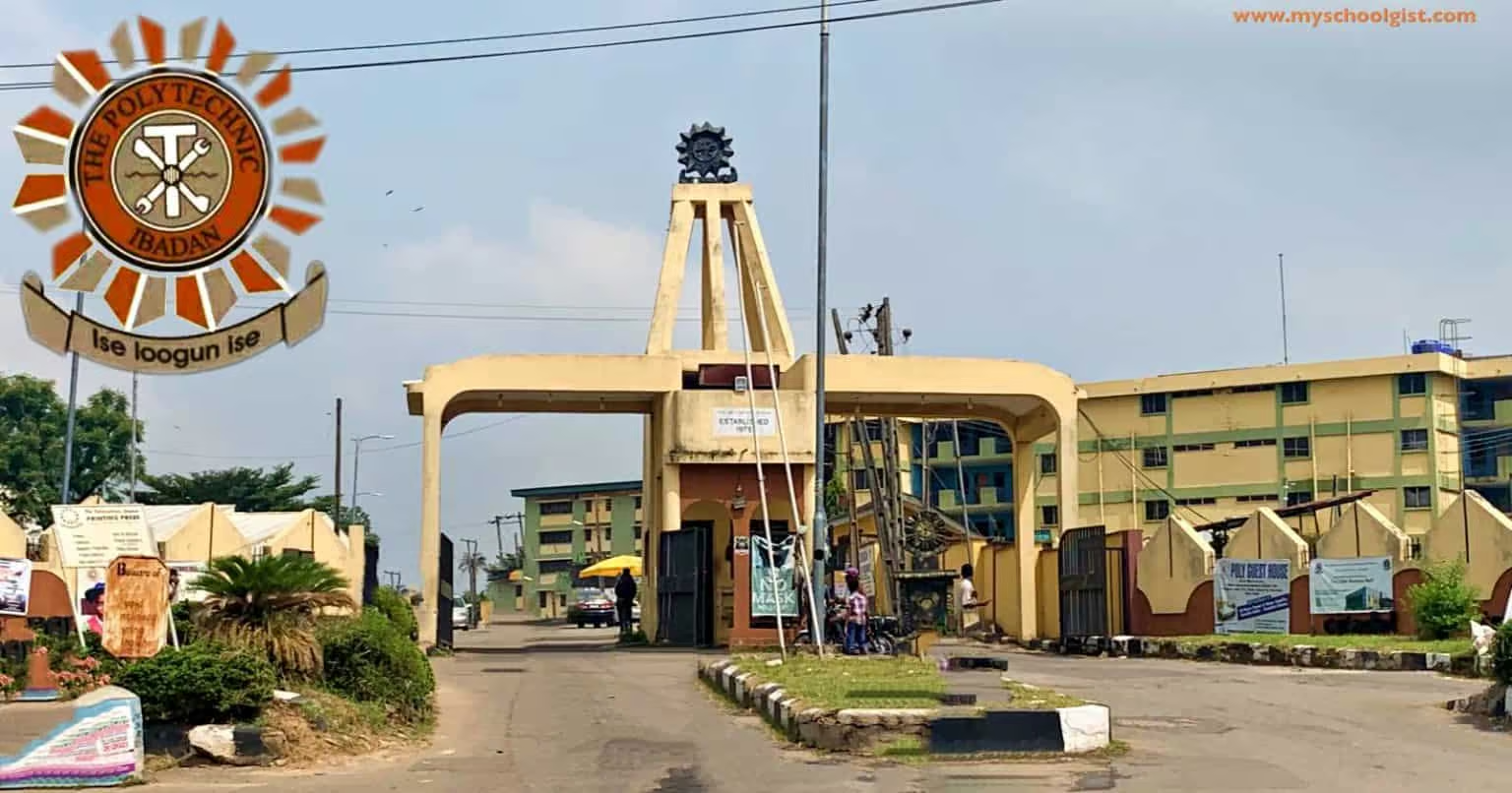
Polytechnic Ibadan,POLYIBADAN
The Polytechnic Ibadan – POLYIBADAN

The Polytechnic, Ibadan widely known as IBADANPOLY  is a state government-owned polytechnic located in Ibadan, Oyo State, South-Western Nigeria. Established in August 1970 as a successor to the former Technical College Ibadan, the institution was created by the then Western State government following the recommendations of an international working party established in 1969 . The Polytechnic, Ibadan is fully accredited by the National Board for Technical Education (NBTE), with its academic programmes recognised both nationally and internationally . The institution offers National Diploma (ND), Higher National Diploma (HND), Post Graduate Diploma (PGD), and professional certificate programmes across multiple faculties, with a mission to provide technical and vocational education focusing on Applied Science, Engineering, Environmental Studies, and Commerce to produce middle-level manpower .

History of the Institution

The Polytechnic, Ibadan was established in August 1970 by the then Western State government as a successor to the Technical College Ibadan . The decision followed the recommendations of an international working party established in 1969 to advise the government on establishing a polytechnic. The institution began operations with two campuses: the South Campus (formerly the Technical College) and the North Campus (formerly the University of Ife’s temporary site) .

The polytechnic was created to provide practical, job-oriented training to meet the needs of Nigeria’s growing industries. Over the years, the institution expanded with satellite campuses at Irene, Esa Oke, Saki, and Eruwa, though these later gained status as independent polytechnics under the administration of late Chief Bola Ige .

The institution has a rich history spanning more than five decades and has produced graduates who have made significant contributions to society . Among its core functions are the offer of Ordinary National Diploma (OND), Higher National Diploma (HND), Post Graduate Diploma (PGD), and professional certificates, as well as providing skills training to the local community with the aim of producing graduates with practical skills .

Location

The Polytechnic, Ibadan (IBADANPOLY)
Ibadan
Oyo State, Nigeria

Website: https://polyibadan.edu.ng/

The polytechnic is located in Ibadan, the capital of Oyo State, in South-Western Nigeria. Ibadan is the largest city in West Africa by geographical area and serves as a major commercial and educational hub.

List of courses offered by IBADANPOLY

The Polytechnic, Ibadan offers ND and HND programmes across the following faculties. Part-time programmes are available through the Continuing Education Centre (CEC) .

Faculty of Business and Communication Studies

  • Public Administration

  • Business Administration

  • Procurement and Supply Chain Management

  • Office Technology and Management

  • Music Technology

  • Marketing

  • Mass Communication

  • Local Government and Development Studies

Faculty of Science

  • Computer Science

  • Science Laboratory Technology

  • Geology Technology

  • Mathematics and Statistics (Statistics)

  • Physics with Electronics

  • Applied Chemistry

  • Library and Information Science

  • Biology/Microbiology

  • Food Science Technology

  • Pharmaceutical Technology

Faculty of Financial Management Studies

  • Accountancy

  • Insurance

  • Cooperative Economics and Management

  • Banking and Finance

  • Taxation

Faculty of Environmental Studies

  • Surveying and Geo-Informatics

  • Quantity Surveying

  • Building Technology

  • Estate Management and Valuation

  • Urban and Regional Planning

  • Art, Design and Printing Technology

  • Tourism Management Technology

  • Architecture

Faculty of Engineering

  • Civil Engineering

  • Mechanical Engineering

  • Electrical Engineering

  • Computer Engineering

  • Mechatronics Engineering

  • Metallurgical Engineering

  • Chemical Engineering

Faculty of Social Science and Humanities

  • Crime Management and Security Studies

  • Transport Planning and Management

For the complete and most up-to-date list of courses, please visit the official website at https://polyibadan.edu.ng/

Admission Requirements

ND (National Diploma) Full-Time Admission

  • A minimum of five (5) O’Level credit passes including English Language and Mathematics, obtained in not more than two sittings in WAEC, NECO, GCE O’Level, or NABTEB

  • A valid JAMB UTME score (usually around 120 and above, depending on the course) 

  • Candidates must select The Polytechnic, Ibadan as their institution of first choice

  • All eligible candidates must participate in the polytechnic’s Post-UTME screening exercise

ND (National Diploma) Part-Time Admission (Continuing Education Centre)

  • Five O’Level credit passes including English Language and Mathematics in not more than two sittings

  • UTME may not be required for part-time admission

  • Apply through the Continuing Education Centre (CEC) portal 

HND (Higher National Diploma) Admission

  • A relevant ND with a minimum of Lower Credit (CGPA 2.50) from an NBTE-accredited institution

  • A minimum of one year of post-ND industrial training (SIWES/IT) is compulsory

  • Five O’Level credit passes including English Language and Mathematics in not more than two sittings

For the 2026/2027 academic session, admission forms are available for ND Full-Time, ND Part-Time, HND Full-Time, and HND Part-Time programmes .

School Fees

The Polytechnic, Ibadan is one of the most affordable state polytechnics in South-Western Nigeria. The estimated school fees for the 2025/2026 academic session are :

ND & HND Full-Time Students

  • Year 1 (Freshers): ₦45,000 – ₦65,000 per session

  • Year 2 (Returning): ₦35,000 – ₦50,000 per session

  • Acceptance Fee: ₦15,000 – ₦20,000 (one-off, non-refundable)

  • Hostel Fee: ₦10,000 – ₦20,000 (if allocated)

Part-Time Students

  • ₦55,000 – ₦75,000 per session

Engineering and science-based programmes may attract additional laboratory, workshop, and practical levies above the base tuition. Fees may vary by faculty and year of study.

For the 2025/2026 academic session, the polytechnic set Friday, November 21, 2025, as the official deadline for payment of school fees and registration for the first semester .

The polytechnic ibadan fees should be confirmed from the official portal at https://polyibadan.edu.ng/. School fees are paid via the official payment portal. Students should confirm account numbers from official sources only before making any payment.

Cut-Off Mark

The general JAMB cut-off mark for The Polytechnic, Ibadan is typically 120 and above for ND programmes, depending on the course . Competitive courses like Computer Science and Engineering may require higher scores.

Candidates who meet the general cut-off must still pass the Post-UTME screening exercise and meet any higher departmental threshold for their chosen course.

Please visit the official website for the most current and officially confirmed departmental cut-off marks.

Hostel / Accommodation

The Polytechnic, Ibadan provides on-campus hostel accommodation for students. The estimated hostel fee is approximately ₦10,000 – ₦20,000 per session . Hostel accommodation is optional, and students may also choose to rent private accommodation in Ibadan, which offers a wide range of housing options due to the city’s size.

Notice Board

The Polytechnic Ibadan Reminds Students of NELFUND Registration Deadline

The Students’ Union Government (SUG) of The Polytechnic Ibadan has reminded students that the biometric capturing exercise and NELFUND registration are still ongoing. Both exercises are scheduled to close on Friday, 27th November 2026.

Students who have not completed either exercise are advised to do so before the deadline to avoid last-minute delays or inconvenience. The SUG has also provided a list of documents required for the exercise.

The requirements include the SUG receipt, faculty receipt, departmental receipt and indigenous receipt. The exercise will take place at the Assembly Hall, beginning at 9:00 am.

All students are urged to complete their biometric capturing and NELFUND registration before the stated deadline and cooperate with the arrangements to ensure a smooth process.

Official Website and Portal Links

| Resource | Link |
| Official Website | https://polyibadan.edu.ng/ |
| Main Student Portal | https://tpiportal.polyibadan.edu.ng/portal/ |
| Alternative Portal | http://www.polyibadanvsesc.com/login.php |
| Continuing Education Centre (CEC) | Available via official website |

Contact Information

The Polytechnic, Ibadan (IBADANPOLY)
Ibadan
Oyo State, Nigeria

Website: https://polyibadan.edu.ng/

Please visit the official website for current contact information, including phone numbers and email addresses.

Frequently Asked Questions (FAQs)

Where is The Polytechnic Ibadan located?
The polytechnic is located in Ibadan, Oyo State, South-Western Nigeria.

What is the polytechnic ibadan address?
The institution is located in Ibadan, Oyo State, Nigeria. The specific postal address is available on the official website.

When was The Polytechnic Ibadan established?
The polytechnic was established in August 1970 as a successor to the Technical College Ibadan .

What are the polytechnic ibadan courses?
Courses include programmes in Business and Communication Studies, Science, Financial Management Studies, Environmental Studies, Engineering, and Social Science and Humanities. Specific courses include Accountancy, Business Administration, Computer Science, Mass Communication, Civil Engineering, Electrical Engineering, Architecture, and many more .

What is the JAMB cut-off mark for The Polytechnic Ibadan?
The typical cut-off mark is 120 and above for ND programmes, depending on the course .

How much are the school fees?
Estimated ND/HND fees range from ₦35,000 – ₦65,000 per session for full-time students. Part-time fees range from ₦55,000 – ₦75,000 per session .

What is the polytechnic ibadan fees structure?
Fees vary by faculty, programme level, and year of study. Freshers pay ₦45,000 – ₦65,000, while returning students pay ₦35,000 – ₦50,000 .

How do I access Www polyibadan edu ng student portal login?
Visit https://tpiportal.polyibadan.edu.ng/portal/. Freshers log in with their Form Number; returning students log in with their Matriculation Number .

How do I check The polytechnic ibadan admissions?
Visit the student portal at https://tpiportal.polyibadan.edu.ng/portal/ or check JAMB CAPS at https://efacility.jamb.gov.ng/.

What is The Polytechnic, Ibadan email address?
Contact information is available on the official website at https://polyibadan.edu.ng/.

What is The Polytechnic Ibadan certificate status?
The polytechnic is fully accredited by NBTE, and its certificates are recognised both nationally and internationally .

What is The Polytechnic, Ibadan new name?
On June 25, 2025, Governor Seyi Makinde announced the renaming of the institution to Omololu Olunloyo Polytechnic, Ibadan, though the renaming has faced opposition from students and stakeholders .

Is The Polytechnic Ibadan a federal or state institution?
The Polytechnic, Ibadan is a state government-owned institution, fully funded and controlled by the Oyo State Government. It is not a federal polytechnic.

Does The Polytechnic Ibadan offer part-time programmes?
Yes. The Continuing Education Centre (CEC) offers part-time ND and HND programmes for working professionals across all faculties .

Who was Dr. Victor Omololu Olunloyo?
Dr. Olunloyo was a mathematician who served as the pioneer principal (later Rector) of The Polytechnic Ibadan at its inception and later served as Governor of old Oyo State from October 1 to December 31, 1983 .

Oduduwa University, Ipetumodu
Oduduwa University, Ipetumodu – OUI

Oduduwa University popularly known as OUI, is a private university located in Ipetumodu, Ife North Local Government Area of Osun State, South-West Nigeria. The university was established in 2009 and is one of the notable private universities in the South-West region of Nigeria. Oduduwa University was founded by Dr. Rahmon Adedoyin through the Oduduwa Foundation with the vision of providing quality university education in a disciplined and technology-driven environment. The institution is officially licensed by the National Universities Commission (NUC) and offers undergraduate and postgraduate programmes across several academic fields.

The university is recognized for its relatively affordable private university tuition structure, stable academic calendar, and emphasis on entrepreneurship, ICT education, innovation, and practical learning. OUI operates a serene campus environment designed to support focused academic activities, research, leadership development, and student entrepreneurship. Over the years, the institution has continued expanding its programmes, infrastructure, and digital academic systems while attracting students from different parts of Nigeria and neighboring African countries.

Oduduwa University provides programmes in sciences, social sciences, management sciences, engineering, environmental sciences, arts, law, and health-related disciplines. The university also maintains hostel facilities, digital student services, entrepreneurship programmes, and extracurricular activities designed to support all-round student development.

History of the Institution

Oduduwa University was established in 2009 by the Oduduwa Foundation under the leadership of businessman and education promoter Dr. Rahmon Adedoyin. The university was founded to expand access to higher education in Nigeria and provide students with a learning environment that combines academic excellence, entrepreneurship, discipline, and technological innovation.

The institution began academic operations after obtaining operational approval from the National Universities Commission (NUC). From its early years, the university focused on developing programmes that align with Nigeria’s workforce demands, particularly in ICT, business, sciences, and professional education.

Since inception, Oduduwa University has steadily developed its infrastructure including lecture halls, laboratories, libraries, ICT centers, hostel facilities, entrepreneurship centers, and online academic systems. The university has also expanded its programme offerings from a limited number of departments to a broader multi-faculty academic structure.

OUI continues to promote entrepreneurship education as one of its institutional strengths, encouraging students to develop business and vocational skills alongside academic qualifications. The university also emphasizes discipline, moral standards, and leadership development as part of its educational philosophy.

Location

Oduduwa University is located in Ipetumodu, Ife North Local Government Area of Osun State, Nigeria.

Main Campus Address:

Oduduwa University
Ipetumodu
Ife North LGA
Osun State
Nigeria

The campus is situated within a peaceful environment in Osun State, relatively close to Ile-Ife, one of the major educational and cultural centers in South-West Nigeria. Its location provides students with a calm academic atmosphere away from major urban distractions while remaining accessible from cities such as Osogbo, Ibadan, Akure, and Lagos.

List of Courses Offered by Oduduwa University

Oduduwa University offers undergraduate and postgraduate programmes across multiple faculties and colleges.

Faculty of Natural and Applied Sciences

  • Computer Science
  • Microbiology
  • Biochemistry
  • Industrial Chemistry
  • Physics with Electronics
  • Mathematics
  • Statistics

Faculty of Management and Social Sciences

  • Accounting
  • Banking and Finance
  • Business Administration
  • Economics
  • International Relations
  • Mass Communication
  • Political Science
  • Public Administration

Faculty of Engineering and Technology

  • Civil Engineering
  • Mechanical Engineering
  • Electrical and Electronics Engineering
  • Computer Engineering

Faculty of Environmental Sciences

  • Architecture
  • Estate Management

Faculty of Arts and Education

  • English Language
  • Religious Studies

Faculty of Law

  • Law (LL.B)

Health and Medical Sciences

  • Nursing Science
  • Public Health

The university also operates postgraduate programmes across selected disciplines for students pursuing advanced academic and professional qualifications.

For the latest and complete list of programmes, please check school website or latest news below for newest update.

Admission Requirements

Undergraduate Admission (UTME)

Candidates applying to Oduduwa University through UTME are generally expected to possess:

  • A minimum of five O’Level credit passes including English Language and Mathematics
  • Relevant subjects related to the intended course of study
  • Results obtained in not more than two sittings in WAEC, NECO, GCE, or NABTEB
  • A valid JAMB UTME score meeting the university’s admission benchmark

Applicants are usually expected to select Oduduwa University as first choice or process a change of institution through JAMB.

Direct Entry Admission

Direct Entry candidates may apply into 200 Level with qualifications such as:

  • ND
  • HND
  • NCE
  • IJMB
  • JUPEB
  • A-Level certificates

Postgraduate Admission

Postgraduate applicants are generally expected to possess relevant bachelor’s degrees from recognized institutions alongside other departmental requirements.

Professional programmes such as Law, Nursing Science, Engineering, and Computer-related courses may have additional admission conditions and subject requirements.

Please check school website or latest news below for newest update.

School Fees

Oduduwa University is widely considered one of the relatively affordable private universities in South-West Nigeria. School fees vary depending on programme, faculty, academic level, laboratory requirements, and professional accreditation charges.

Science, engineering, nursing, and technology-based programmes generally attract higher fees because of laboratory work, practical training, clinical exposure, and equipment requirements. Courses in arts, social sciences, and management sciences may have relatively lower tuition structures.

School fees commonly include:

  • Tuition
  • ICT charges
  • Medical fees
  • Examination fees
  • Library services
  • Registration charges
  • Development levies

Additional fees may include:

  • Acceptance fee
  • Hostel accommodation
  • Departmental dues
  • Laboratory and workshop charges
  • Professional accreditation fees

The university is known for offering flexible payment arrangements and installment options for students in some cases. Hostel accommodation fees also vary according to room type and available facilities.

For Nursing Science, Engineering, and Law programmes, tuition may be significantly higher than standard management and social science courses because of professional and accreditation requirements.

Please check school website or latest news below for newest update.

Cut-off Mark

The general JAMB cut-off mark for admission into Oduduwa University is usually within the acceptable benchmark approved for private universities in Nigeria.

Competitive programmes such as:

  • Nursing Science
  • Law
  • Engineering
  • Computer Science

may require higher admission scores and stronger academic performance.

Candidates with better UTME scores and strong O’Level results generally stand a better chance of gaining admission into competitive departments.

Please check school website or latest news below for newest update.

Post-UTME / Screening Information

Oduduwa University conducts admission screening exercises for eligible UTME and Direct Entry applicants.

The screening process may include:

  • Online application
  • O’Level verification
  • JAMB score assessment
  • Credential upload
  • Departmental screening
  • Interview for selected professional programmes

Applicants are expected to complete their applications through the university’s official admission and student portal systems.

Student Portal:
Oduduwa University Student Portal

Please check school website or latest news below for newest update.

Hostel / Accommodation

Oduduwa University provides hostel accommodation for students within and around the campus environment. Many students prefer on-campus accommodation because of convenience, campus security, and proximity to lecture areas.

Hostel facilities may include:

  • Furnished rooms
  • Electricity supply
  • Water supply
  • Security services
  • Reading areas
  • Shared convenience facilities
  • Internet access in selected locations

Accommodation fees vary depending on room category, occupancy size, and available amenities.

The university maintains regulations guiding student conduct, hostel discipline, safety, and campus living standards to support a peaceful academic environment.

Please check school website or latest news below for newest update.

Student Portal

Oduduwa University operates an online student portal that supports both applicants and returning students.

The portal is used for:

  • Admission applications
  • School fees payment
  • Course registration
  • Result checking
  • Clearance processing
  • Student profile management
  • Academic updates

Official Portal:
Oduduwa University Student Portal

Ranking and Reputation

Oduduwa University has developed a reputation as one of the recognized private universities in South-West Nigeria, particularly for its affordable tuition structure, entrepreneurship education, and expanding academic programmes.

The university is often recognized for:

  • Stable academic calendar
  • Entrepreneurship-focused education
  • ICT-driven learning
  • Affordable private university tuition
  • Peaceful campus environment
  • Growing professional programmes

Although it is not among Nigeria’s oldest private universities, OUI has steadily improved its academic offerings and institutional visibility through infrastructure development and programme expansion.

Reviews and Student Experience

Students often describe Oduduwa University as having a relatively calm and focused academic environment. The institution’s moderate student population allows for more direct lecturer-student interaction compared to larger public universities.

Students commonly appreciate:

  • Stable academic calendar
  • Reduced strike disruptions
  • Accessible lecturers
  • Entrepreneurship opportunities
  • Affordable private university fees
  • Peaceful learning atmosphere

The university also supports extracurricular activities including:

  • Student associations
  • Leadership programmes
  • Sports activities
  • Religious fellowships
  • Entrepreneurship training
  • ICT development initiatives

Students in engineering, sciences, and technology programmes benefit from practical learning systems, laboratory sessions, and growing digital academic infrastructure.

Accreditation

Oduduwa University is licensed and approved by the National Universities Commission (NUC), Nigeria’s regulatory body for university education. Several of its programmes have received accreditation from the NUC and relevant professional bodies.

Professional programmes such as:

  • Law
  • Engineering
  • Nursing Science
  • Computer Science

operate under accreditation and regulatory supervision designed to ensure compliance with academic and professional standards.

Students are advised to verify the accreditation status of specific programmes before admission, especially for professional courses.

Please check school website or latest news below for newest update.

Official Website and Portal Links

Contact Information

Oduduwa University
Ipetumodu
Ife North LGA
Osun State
Nigeria

Phone:
+234 803 376 4257
+234 815 814 2607

Email:
info@oduduwauniversity.edu.ng

Official Website:
Oduduwa University Website

Frequently Asked Questions (FAQs)

Where is Oduduwa University located?

Oduduwa University is located in Ipetumodu, Ife North Local Government Area of Osun State, Nigeria.

Is Oduduwa University a private university?

Yes. Oduduwa University is a private university established by the Oduduwa Foundation.

Does Oduduwa University offer Nursing Science?

Yes. The university offers Nursing Science among its health-related programmes.

Does Oduduwa University offer Law?

Yes. Oduduwa University offers an LL.B Law programme.

Is Oduduwa University accredited by the NUC?

Yes. The university is officially approved and accredited by the National Universities Commission (NUC).

Does Oduduwa University provide hostel accommodation?

Yes. The university provides hostel accommodation for students within and around the campus environment.

Can students pay school fees online?

Yes. Students can process payments and academic activities through the official student portal.

What courses are available at Oduduwa University?

The university offers programmes in sciences, engineering, management sciences, law, social sciences, environmental sciences, nursing, and technology-related disciplines.

Does Oduduwa University have a student portal?

Yes. The official student portal is:
Oduduwa University Student Portal

Is Oduduwa University good for Computer Science and Engineering?

The university offers Computer Science and several Engineering programmes supported by practical and ICT-driven learning systems.

TAGS

Oduduwa University admission portal, Oduduwa University school fees, Oduduwa University courses, Oduduwa University cut off mark, Oduduwa University student portal, Oduduwa University Nursing Science, Oduduwa University Law, OUI Engineering courses, OUI accommodation, Oduduwa University ranking, Oduduwa University courses and fees

Oduduwa University Latest News

No post found

LASUED
Lagos State University of Education – LASUED

Lagos State University of Education  popularly known as LASUED  is a state government-owned university located in Lagos State, South-West Nigeria. The university officially emerged in 2022 following the merger of the former Adeniran Ogunsanya College of Education (AOCOED), Oto/Ijanikin, and Michael Otedola College of Primary Education (MOCPED), Noforija, Epe. LASUED is recognised as the first specialized University of Education in Lagos State and one of the few dedicated education universities in Nigeria.

The institution was established to produce highly skilled teachers, researchers, administrators, and professionals in education and related disciplines. LASUED offers undergraduate degree programmes, diploma programmes, certificate programmes, and postgraduate studies across multiple colleges including Humanities, Sciences, Vocational Education, Technology Education, Languages, Social Sciences, and Professional Education.

The university operates two major campuses:

  • Oto/Ijanikin Campus along Badagry Expressway
  • Noforija, Epe Campus

LASUED is fully approved by the National Universities Commission (NUC), and its programmes are recognised nationwide.

History of the Institution

The history of LASUED is closely connected to the development of teacher education in Lagos State. The university evolved from two long-standing colleges of education owned by the Lagos State Government — Adeniran Ogunsanya College of Education (AOCOED) and Michael Otedola College of Primary Education (MOCPED).

AOCOED itself traces its roots to the Lagos Teacher Training College at Ebute Elefun, Lagos Island, making it one of the oldest teacher-training institutions associated with Lagos State educational development. Over decades, both AOCOED and MOCPED trained thousands of teachers and education professionals across Nigeria.

In February 2022, the National Universities Commission (NUC) approved the establishment of Lagos State University of Education after the merger of both institutions. The university immediately commenced operations with sixty-seven take-off programmes across several colleges.

LASUED was created to address the growing demand for modern teacher education, educational technology, entrepreneurship, special education, and professional academic training in Lagos State and Nigeria at large. Since its establishment as a university, the institution has expanded its academic offerings, digital learning systems, research activities, and campus infrastructure.

Location

Lagos State University of Education

Main Campus Address:
Km 30, Badagry Expressway, Oto/Ijanikin, Lagos State, Nigeria

Second Campus:
Noforija, Epe, Lagos State, Nigeria

List of Courses Offered by Lagos State University of Education

LASUED operates through several colleges offering undergraduate and professional programmes.

College of Humanities Education (COHED)

  • B.A. Ed. History
  • B.A. History and Diplomatic Studies
  • B.A. Ed. Christian Religious Studies
  • B.A. Christian Religious Studies
  • B.A. Ed. Islamic Studies
  • B.A. Islamic Studies
  • B.A. Fine Arts
  • B.A. Theatre Arts
  • B.A. Ed. Music
  • B.A. Music

College of Science Education (COSED)

  • B.Sc. Ed. Biology
  • B.Sc. Biology
  • B.Sc. Ed. Chemistry
  • B.Sc. Chemistry
  • B.Sc. Ed. Physics
  • B.Sc. Physics
  • B.Sc. Ed. Mathematics
  • B.Sc. Mathematics
  • B.Sc. Statistics
  • B.Sc. Ed. Statistics
  • B.Sc. Ed. Human Kinetics
  • B.Sc. Ed. Health Education
  • B.Sc. Ed. Integrated Science

College of Information and Technology Education (COITED)

  • B.Sc. Ed. Computer Science
  • B.Sc. Computer Science
  • B.Sc. Library and Information Science
  • B.Sc. Ed. Educational Technology
  • B.Tech Education

College of Vocational and Entrepreneurship Education (COVED)

  • B.Sc. Ed. Agricultural Science
  • B.Ed. Home Economics
  • B.Sc. Ed. Business Education
  • B.Ed. Entrepreneurship

College of Social Sciences Education

  • B.Sc. Ed. Economics
  • B.Sc. Economics
  • B.Sc. Political Science
  • B.Sc. Ed. Political Science
  • B.Sc. Geography
  • B.Sc. Ed. Geography
  • B.Sc. Ed. Transport Management
  • B.Sc. Social Studies and Civic Education

College of Specialized and Professional Education (COSPED)

  • B.Ed. Educational Management
  • B.Ed. Early Childhood Education
  • B.Ed. Primary Education
  • B.Ed. Counselling Psychology
  • B.Ed. Special Needs Education
  • B.Ed. Adult Education

College of Languages and Communication Arts Education (COLCAED)

  • B.A. Ed. English
  • B.A. English
  • B.A. Ed. French
  • B.A. French
  • B.A. Ed. Arabic
  • B.A. Arabic
  • B.A. Ed. Yoruba
  • B.A. Yoruba
  • B.A. Ed. Hausa
  • B.A. Hausa
  • B.A. Ed. Igbo
  • B.A. Igbo
  • B.A. Ed. Language Arts and Communication

College of Management Science Education (COMSED)

  • B.Sc. Accounting
  • B.Sc. Office and Information Management

The university also offers diploma, certificate, and postgraduate programmes.

For the full and newest course list, visit:
LASUED Courses and Programmes

Admission Forms / Requirements

LASUED 2026/2027 Postgraduate Diploma Applications

Lagos State University of Education (LASUED), Oto/Ijanikin, has invited applications for its postgraduate diploma programmes and the conversion from the Professional Diploma in Education (PDE) to the Postgraduate Diploma in Education (PGDE) for the 2026/2027 academic session. The application fee is ₦25,000 and is non-refundable.

Available programmes include the PGDE, covering areas such as Arts, Social Sciences, Languages, Sciences, Technology, Technical and Vocational Education, and Early Childhood Education. Other options are Postgraduate Diplomas in Public Health, Health Information Management, Transport and Logistics Management, Hospitality and Tourism Management, Data Science and Analytics, Networking and Cybersecurity, and Virtual Communication and Media Technology. The six-month PDE-to-PGDE conversion programme is also available.

Applicants for the postgraduate diploma programmes must possess at least five O’Level credit passes, including English Language, and at least a pass in Mathematics. They must also hold a good honours degree or Higher National Diploma (HND) in a related field. Candidates applying for the PDE-to-PGDE conversion must have a PDE certificate with at least a credit pass, an honours first degree from a recognised university or an HND, and five O’Level credit passes, including English Language and four other subjects, with at least a pass in Mathematics.

Interested candidates should visit the LASUED official website to access the application portal. Applicants are required to use their email addresses as usernames, with their surnames serving as passwords, pay the application fee into the university’s designated account and complete and submit the online form. Successful applicants should print their electronic registration slips. Academic transcripts must reach the university no later than two weeks after the application forms close, and all shortlisted candidates must attend a compulsory interview. Enquiries can be sent to secretarypgc@lasued.edu.ng or directed to the Deputy Registrar/Secretary, Postgraduate College, LASUED, Oto/Ijanikin, with a campus at Odo-Noforija, Epe.

School Fees

As a Lagos State Government-owned university, LASUED school fees are relatively moderate compared to many private universities in Nigeria.

Previously reported fees indicate approximately:

  • Freshers: ₦120,000 – ₦180,000 per session
  • Returning Students: ₦80,000 – ₦150,000 per session
  • Acceptance Fee: approximately ₦20,000 – ₦40,000

Cut-off Mark

The recently reported general JAMB cut-off mark for LASUED admission is approximately 170 and above depending on programme competitiveness. Some departments may require higher scores.

Please check school website or latest news below for newest update.

Hostel / Accommodation

LASUED students may access accommodation facilities depending on campus availability. Since the university operates across Oto/Ijanikin and Epe campuses, students also rent private accommodation around surrounding communities.

Hostel allocation procedures are usually communicated during registration periods.

Please check school website or latest news below for newest update.

Notice Board

LASUED ASUU Suspends Strike, Academic Activities Resume October 12

The Academic Staff Union of Universities, Lagos State University of Education Chapter (ASUU-LASUED), has announced the suspension of its industrial action following a congress meeting held on Thursday, 8 October 2026. The decision followed deliberations on the union’s demands and recent developments regarding the implementation of allowances by the Lagos State Government.

The union commended Governor Babajide Sanwo-Olu for approving the 40% Consolidated Academic Tools Allowance (CATA), 10% Earned Academic Allowance (EAA) and professorial allowances. However, it stated that other aspects of the 2025 Federal Government of Nigeria (FGN)/ASUU agreement, including salary arrangements for retired professors and the proposed Lagos Factor Allowance, would require further discussions with the state government.

The congress also resolved that deductions relating to the recapitalisation of NUPEMCO shares should commence from the October 2026 salary, subject to the implementation of the approved allowances. The union added that it would continue pursuing its outstanding demands through further engagement with the relevant authorities.

Following these resolutions, ASUU-LASUED has suspended the strike, with academic activities scheduled to resume on Monday, 12 October 2026. The statement was signed by Comrade Olayemi G. Abimbola, Vice Chairperson, and Comrade Ibraheem A. Alabi, Secretary. Students are advised to follow official university announcements for further information on the resumption of academic activities.

Notable Alumni

LASUED was established in February 2022 through the merger of Adeniran Ogunsanya College of Education (AOCOED) and Michael Otedola College of Primary Education (MOCPED). The university held activities leading to its maiden convocation in 2026.

Official Website and Portal Links

Resource Link
Official Website LASUED Official Website
Student E-Portal LASUED E‑Portal
Admission Portal LASUED Admission Portal
Admission Login LASUED Admission Login
Admission Requirements LASUED Admission Requirements
Mission & Vision LASUED Mission and Vision

Contact Information

Lagos State University of Education

Address:
Km 30, Badagry Expressway, Oto/Ijanikin, Lagos State, Nigeria

Phone: +234 805 5577 799
Email: info@lasued.edu.ng

Website:
LASUED Website

Frequently Asked Questions (FAQs)

What does LASUED stand for?
LASUED stands for Lagos State University of Education.

Where is LASUED located?
LASUED’s main campus is located at Oto/Ijanikin along Badagry Expressway, Lagos State. The university also has a campus at Noforija, Epe.

When was LASUED established?
The university was officially established in 2022 following the merger of AOCOED and MOCPED.

Is LASUED a federal or state university?
LASUED is a Lagos State Government-owned university.

What is the LASUED cut-off mark?
The recently reported general cut-off mark is around 170 and above depending on the course.

Does LASUED offer non-education courses?
Yes. In addition to education degrees, LASUED offers programmes in Accounting, Political Science, Computer Science, Theatre Arts, Economics, Geography, and other related disciplines.

What is the LASUED portal?
The LASUED student portal is:
LASUED E‑Portal Login

Can students check results online on LASUED portal?
Yes. Students can check semester results and perform registration activities through the LASUED e-portal.

How can I apply for LASUED admission?
Applicants can apply through the official admission portal:
LASUED Admission Portal Login

Is LASUED accredited?
Yes. LASUED programmes are approved by the National Universities Commission (NUC).

Delta State Polytechnic Ogwashi-Uku
Delta State Polytechnic, Ogwashi-Uku – DSPG

Delta State Polytechnic, Ogwashi-Uku is a state-owned tertiary institution located in Ogwashi-Uku, Aniocha South Local Government Area of Delta State, Nigeria. Established in 2002 by the Delta State Government, the polytechnic was created to expand access to technical and vocational education in the state and produce skilled middle-level manpower for industrial and technological development. The institution is accredited by the National Board for Technical Education (NBTE) and offers National Diploma (ND) and Higher National Diploma (HND) programmes across various disciplines including Engineering, Science and Technology, Business Studies, Environmental Studies, and Art and Design. Over the years, the polytechnic has grown into one of the notable state polytechnics in Southern Nigeria, with a strong emphasis on practical training, entrepreneurship development, and ICT-based learning.

History of the Institution

Delta State Polytechnic, Ogwashi-Uku was established in 2002 by the Delta State Government under its educational expansion policy aimed at increasing access to technical and vocational education across the state. The institution was strategically located in Ogwashi-Uku, a historic town in Delta State known for its cultural heritage and educational significance.

At inception, the polytechnic began with a small number of academic programmes and departments focused on basic technological and management education. Over time, it expanded its academic structure to include multiple schools, such as Engineering Technology, Science and Technology, Business Studies, Environmental Studies, and Art and Design.

Since its establishment, the institution has undergone several phases of infrastructural and academic development, including NBTE accreditation exercises that led to the approval and expansion of ND and HND programmes. The polytechnic also strengthened its ICT infrastructure through the introduction of an online portal system for admission processing, fee payments, course registration, and result checking.

In recent years, Delta State Polytechnic, Ogwashi-Uku has continued to benefit from state government interventions aimed at improving laboratories, lecture halls, ICT centres, and student facilities, reinforcing its role as a key institution for technical education in Delta State.

Location

Delta State Polytechnic, Ogwashi-Uku
Ogwashi-Uku
Aniocha South Local Government Area
Delta State, Nigeria

List of Courses Offered by Delta State Polytechnic, Ogwashi-Uku

The polytechnic offers accredited ND and HND programmes across several schools.

School of Business Studies

  • Accountancy
  • Business Administration and Management
  • Banking and Finance
  • Marketing
  • Office Technology and Management
  • Public Administration

School of Engineering Technology

  • Electrical/Electronics Engineering
  • Civil Engineering
  • Mechanical Engineering
  • Computer Engineering

School of Science and Technology

  • Computer Science
  • Science Laboratory Technology
  • Statistics
  • Hospitality Management
  • Food Technology

School of Environmental Studies

  • Architectural Technology
  • Building Technology
  • Estate Management
  • Quantity Surveying
  • Urban and Regional Planning

School of Art and Design

  • Fine Art
  • Graphics Design
  • Fashion Design and Clothing Technology

Other Programmes

  • Pre-ND programmes
  • Part-time ND and HND programmes
  • Entrepreneurship and skill acquisition programmes

Full programmes page: https://mydspg.edu.ng/programmes/

Admission Requirements

ND (National Diploma) Admission

  • Five (5) credit passes in WAEC/NECO/NABTEB including English Language and Mathematics
  • Relevant subject combinations depending on course of study
  • Candidates must sit for JAMB UTME
  • Must meet departmental cut-off requirements during screening

HND (Higher National Diploma) Admission

  • ND certificate in a relevant discipline from an NBTE-accredited institution
  • Minimum of Lower Credit (in most cases)
  • One year industrial training (IT/SIWES) experience
  • Five O’Level credits including English and Mathematics

Application Process

  • Visit the admission portal
  • Complete online application form
  • Generate invoice and make payment
  • Upload required documents
  • Print acknowledgement slip

Admission Portal:
https://mydspg.edu.ng/admissions/
https://portal.mydspg.edu.ng/admissions/

School Fees

Delta State Polytechnic, Ogwashi-Uku operates a state-subsidised fee structure, making it relatively affordable compared to private institutions. Fees vary depending on course and level of study.

Typical estimated ranges:

  • ND programmes: ₦50,000 — ₦80,000 per session
  • HND programmes: ₦60,000 — ₦90,000 per session
  • Engineering and science-related courses may attract additional laboratory and departmental charges
  • Acceptance fee is paid separately for newly admitted students
  • ICT and administrative charges may apply

Students are required to pay fees through the official e-portal system.

Please check school website or latest news below for newest update.

Cut-off Mark

The general JAMB cut-off mark for Delta State Polytechnic, Ogwashi-Uku is typically 120 and above for ND programmes. However, competitive courses such as Computer Science, Accountancy, and Engineering Technology may require higher aggregate scores during screening.

Please check school website or latest news below for newest update.

Hostel / Accommodation

The institution provides limited on-campus hostel accommodation for students. Due to demand, many students also reside in private hostels and lodges around Ogwashi-Uku and nearby communities. Hostel allocation is typically based on availability and payment confirmation.

Please check school website or latest news below for newest update.

Notice Board

Delta State Poly Ogwashi-Uku Notice on NELFUND Application Processing

The Management of Delta State Polytechnic, Ogwashi-Uku, has directed all students who applied for the Nigerian Education Loan Fund (NELFUND) loan to submit evidence of their applications to the NELFUND Desk Officer at the Acting Rector’s Office for processing.

The submission must be completed on or before 16 November 2026. Students are required to provide evidence of their applications and any form of identification showing that they are NELFUND applicants.

The Polytechnic warned that students who fail to submit the required evidence or identification will not be verified for payment.

Submission is scheduled to take place daily between 8:00 a.m. and 4:00 p.m. All concerned students are advised to comply with the directive before the deadline.

Official Website and Portal Links

Contact Information

Delta State Polytechnic, Ogwashi-Uku
Ogwashi-Uku
Aniocha South LGA
Delta State, Nigeria

Official Website: https://mydspg.edu.ng/

Frequently Asked Questions (FAQs)

Where is Delta State Polytechnic, Ogwashi-Uku located?
It is located in Ogwashi-Uku, Aniocha South Local Government Area of Delta State, Nigeria.

When was Delta State Polytechnic, Ogwashi-Uku established?
The institution was established in 2002 by the Delta State Government.

What courses are offered at Delta State Polytechnic, Ogwashi-Uku?
The polytechnic offers courses in Engineering, Science, Business Studies, Environmental Studies, and Art and Design.

What is the cut-off mark for admission?
The general cut-off mark is usually 120 and above, depending on the course.

Does the polytechnic offer HND programmes?
Yes, it offers HND programmes across multiple disciplines.

How do I apply for admission?
Applications are done online through the official admission portal at https://mydspg.edu.ng/admissions/

How can I check my admission status?
Admission status can be checked via the student portal login page.

Does the polytechnic offer hostel accommodation?
Yes, but spaces are limited and not guaranteed for all students.

What is the official portal?
The official portal is https://portal.mydspg.edu.ng/eportal/

Tansian University, TANU
Tansian University – TANU

Tansian University (TANU)  also known as The Citadel of Learning  is a private Christian university located in Umunya, Oyi Local Government Area, Anambra State, South-East Nigeria. Established in 2007 and duly licensed by the Federal Government of Nigeria under the supervision of the National Universities Commission (NUC), Tansian University is owned and operated by the Missionary Sons of Blessed Tansi Congregation (Tansian Missionaries). The university is named after Blessed Cyprian Michael Iwene Tansi, the first Nigerian to be beatified by the Roman Catholic Church and was founded by the late Very Rev. Msgr. Prof. John Bosco Akam — widely known as the Father of Enlightenment and Legend of Education — who passed away in 2021. TANU operates two campuses: the permanent site at Umunya and a satellite campus at Oba, Idemili South Local Government Area. With over 40 NUC-accredited programmes across 6 faculties, a Continuous Education Programme (CEP) for part-time learners, and a growing alumni body of over 5,000 members, Tansian University is one of the most affordable and fastest-growing private universities in West Africa. Although it has a Catholic affiliation, TANU welcomes students of all religious backgrounds. The current Vice-Chancellor leads the institution in partnership with a new Chancellor — Very Rev. Fr. Dr. ESC Obiorah, SAN — elected on 7th March 2025, and Pro-Chancellor Professor Ellis Idemobi, who assumed leadership in December 2024.

History of the Institution

The roots of Tansian University stretch back to the life work of its founder, Very Rev. Msgr. Prof. John Bosco Akam, who dedicated his life to education and human development. Beginning with kindergartens, primary and secondary schools, and institutions for the destitute and physically challenged, Akam sought to build a comprehensive educational ecosystem that extended from the earliest years of learning all the way to university education. His vision was to create an institution that would produce graduates who are intellectually competent, morally grounded, and socially responsible — graduates who would lead and transform their communities.

The university was formally established in 2007 and received its NUC operational licence, with academic activities commencing shortly afterwards. It initially operated from a temporary site in Oba, Idemili South LGA, before relocating to its permanent campus in Umunya, Oyi LGA. The Anambra State Government under Governor Peter Obi provided support to the institution, donating cash and vehicles for infrastructural upgrade and development — an unusual show of solidarity for a private university.

TANU has grown steadily since its founding. In December 2025, the university signed a landmark Memorandum of Understanding (MoU) on Artificial Intelligence training with Soochow University, CIEPUK, and other partners at the National Commission for Colleges of Education (NCCE) in Abuja — a significant step in the university’s growing global academic footprint. The institution offers local and foreign scholarship opportunities to its students and operates an E-Library alongside its physical library for academic support. The 13th Convocation was held in March 2025, during which the new governance structure was formalised.

Location

Tansian University (TANU) Permanent Campus: Umunya, Oyi Local Government Area, Anambra State, Nigeria Satellite Campus: Oba, Idemili South Local Government Area, Anambra State, Nigeria

Phone: 08064131134, 08065197885, 08038408011, 08032370760 Email: info@tansianuniversity.edu.ng

Application forms are also obtainable from designated centres including Konigin Des Friedens College, Enugu, Enugu State, and Our Lady Waldenstein Educational Centre, Aguata LGA, Anambra State.

List of Courses Offered by Tansian University

TANU offers over 40 undergraduate and postgraduate programmes across 6 faculties, with a Continuous Education Programme (CEP) for part-time learners. All programmes are NUC-accredited.

Faculty of Law

  • Law (LL.B.) — accredited by the NUC and Council of Legal Education
  • Legal Studies (CEP part-time)

Faculty of Health Sciences

  • Nursing Science (B.Sc.)
  • Public Health (B.Sc.)
  • Medical Laboratory Science (B.Sc.)
  • Anatomy
  • Physiology

Faculty of Environmental Sciences

  • Architecture
  • Estate Management
  • Building Technology
  • Urban and Regional Planning
  • Quantity Surveying

Faculty of Education

  • Christian Religious Studies and Education
  • English Language and Education
  • Biology and Education
  • Chemistry and Education
  • Economics and Education
  • Geography and Education
  • Government / Political Science and Education
  • History and Education
  • Mathematics and Education
  • Physics and Education
  • Guidance and Counselling (B.Sc.)
  • Library and Information Science

Faculty of Management and Social Sciences

  • Accounting
  • Banking and Finance
  • Business Administration
  • Economics
  • Mass Communication
  • Political Science
  • Public Administration
  • Sociology
  • Social Work

Faculty of Natural and Applied Sciences

  • Biochemistry
  • Biology
  • Chemistry
  • Computer Science
  • Industrial Chemistry
  • Mathematics and Statistics
  • Microbiology
  • Physics

Continuous Education Programme (CEP) — Part-Time

  • Part-time undergraduate degree programmes available across most faculties for working professionals and mature learners

Postgraduate School

  • PGD, M.Sc., MBA, and Ph.D. programmes across select disciplines

For the complete and most up-to-date list of courses, please visit tansianuniversity.edu.ng/courses.php or see the latest news below.

Admission Requirements

UTME (Undergraduate) Admission

  • A minimum of five (5) O’Level credit passes including English Language and Mathematics, obtained in not more than two sittings in WAEC, NECO, GCE O’Level, or NABTEB.
  • A valid JAMB UTME score meeting the minimum cut-off mark is required.
  • Importantly, Tansian University accepts candidates who did not choose TANU as their first or second choice on JAMB. Candidates who chose other universities during UTME registration are still eligible to apply.
  • All eligible candidates must undergo the internal screening exercise, bringing eight recent passport photographs and all relevant academic documents.

Direct Entry Admission

  • NCE holders may apply for Direct Entry into two or three-year degree programmes in the Faculty of Education.
  • Candidates with A’Level, ND (Upper Credit), or HND qualifications may also apply for other direct entry programmes.
  • Relevant O’Level credit passes apply in addition.

Postgraduate Admission

  • A Bachelor’s degree with at least Third Class Honours (minimum GPA of 2.0 on a 5-point scale) is required for Postgraduate Diploma (PGD) admission.
  • A Bachelor’s degree with at least Second Class Lower Division is required for M.Sc. and MBA programmes.
  • Five (5) credit passes in WAEC, GCE, NECO, or NABTEB, including English Language and Mathematics, in not more than two sittings.

Apply Online: tansianuniversity.edu.ng/admissions.php

Application Fee: ₦10,000 (payable via PixPay or from the Admissions Office)

Please see the latest news below or visit the school website for the most current admission requirements and deadlines.

School Fees

Tansian University is widely regarded as one of the most affordable private universities in Nigeria. Unlike many private universities where fees differ by course, TANU’s tuition fee is the same for all faculties and departments, making it straightforward for students and parents to plan.

The last known fee components for the 2025/2026 academic session are:

Fresh (New) Students:

  • Tuition Fee: ₦250,000 per session
  • Sundry Fees: ₦64,000 (covers library, ICT, sports, and other institutional charges)
  • Health Fee: ₦6,000
  • Books (GST — 4 books): ₦7,000
  • Hostel Accommodation (optional): ₦50,000 — ₦100,000 (basic to premium)
  • Estimated Total (without accommodation): approximately ₦327,000 per session
  • Estimated Total (with accommodation): approximately ₦377,000 — ₦477,000 per session

Returning (Old) Students:

  • Tuition Fee: ₦250,000 per session
  • Sundry Fees: ₦32,000
  • Health Fee: ₦6,000
  • Hostel Accommodation (optional): ₦50,000
  • Estimated Total (without accommodation): approximately ₦288,000 per session
  • Estimated Total (with accommodation): approximately ₦338,000 per session

Law and Nursing are among the slightly higher-fee programmes. For Law freshers, the estimated total (including accommodation) is approximately ₦750,000 — ₦850,000 per session.

Postgraduate fees (PGD, M.Sc., MBA): approximately ₦550,000 — ₦650,000 per session.

Payment Schedule:

  • Fresh students: Full payment required within 2 weeks of admission offer
  • Returning students: A minimum of 50% of the stipulated fees must be paid before campus admission, with the balance paid before the second semester begins. All outstanding debts from previous sessions must be cleared in full.

All payments are made via PixPay (pixpay.ng) or directly into designated Access Bank (Account: 0018395646), Keystone Bank, or Zenith Bank accounts as specified per fee type. Payments into any other account are considered null and void. After payment, students upload proof on the university portal and submit receipts to the Bursary for clearance card issuance.

Please see the latest news below or visit the official fees page at tansianuniversity.edu.ng/fees.php for the most current and officially confirmed schedule.

Cut-off Mark

The last known JAMB cut-off mark for Tansian University is 140 for most programmes. Importantly, TANU accepts candidates who did not initially choose the university during UTME registration, provided they meet the minimum cut-off mark and pass the internal screening exercise.

Please see the latest news below or visit the school website for the most current cut-off mark information.

Post-UTME / Screening Information

Tansian University conducts an internal Post-UTME screening exercise for all eligible candidates. Candidates must meet the minimum JAMB cut-off mark to qualify for screening. The screening process requires candidates to present original academic documents and eight recent passport photographs. Candidates who scored the required minimum in JAMB but chose other universities can still apply and undergo screening at TANU.

Apply: tansianuniversity.edu.ng/admissions.php

Please see the latest news below or visit the school website for the most current Post-UTME dates and requirements.

Hostel / Accommodation

Tansian University provides on-campus hostel accommodation for students at both the Umunya and Oba campuses. Accommodation is optional and allocated on a first-come, first-served basis. Students must indicate their preferred hostel choice when applying for admission. The last known hostel fees are approximately ₦50,000 per session for basic rooms and approximately ₦100,000 per session for premium rooms. Returning students pay approximately ₦50,000 per session for hostel accommodation.

Students are given accommodation in the school hostels and are allowed to go out with written permission for security purposes.

Please see the latest news below or visit the school website for the most current hostel fees and application procedures.

Notable Alumni

Tansian University’s alumni body currently numbers over 5,000 members, all of whom are automatically registered with the Tansian University Alumni Association upon graduation. The association fosters fellowship, furthers the philosophy of the university, and enhances the career prospects of its members. No widely documented individual notable alumni are currently recorded in major public sources. Please see the latest news below or visit the school website for information on distinguished graduates.

Official Website and Portal Links

Resource Link
Official Website tansianuniversity.edu.ng
E-Portal tansianuniversity.edu.ng/eportal.php
Courses Page tansianuniversity.edu.ng/courses.php
Admissions Page tansianuniversity.edu.ng/admissions.php
Fees Page tansianuniversity.edu.ng/fees.php
About the University tansianuniversity.edu.ng/about.php
Fees Payment (PixPay) pixpay.ng

Contact Information

Tansian University (TANU) Umunya, Oyi Local Government Area Anambra State, Nigeria

Phone: 08064131134, 08065197885, 08038408011, 08032370760 Email: info@tansianuniversity.edu.ng Website: www.tansianuniversity.edu.ng

Frequently Asked Questions (FAQs)

Where is Tansian University located? Tansian University’s permanent campus is located in Umunya, Oyi Local Government Area, Anambra State, South-East Nigeria. It also has a satellite campus in Oba, Idemili South LGA, Anambra State.

When was Tansian University established? TANU was established in 2007 by Very Rev. Msgr. Prof. John Bosco Akam, who passed away in 2021. The university received its NUC licence and commenced academic operations thereafter.

Is Tansian University accredited? Yes. Tansian University is fully accredited by the National Universities Commission (NUC). All its programmes are NUC-certified. The university is a duly licensed private institution of the Federal Government of Nigeria.

Who is Blessed Iwene Tansi? Blessed Cyprian Michael Iwene Tansi was a Nigerian Catholic priest and the first Nigerian to be beatified by the Roman Catholic Church. Pope John Paul II beatified him in Rome in 1998. Tansian University is named in his honour.

Does Tansian University accept second-choice JAMB candidates? Yes. This is one of TANU’s key admission advantages. Candidates who chose other universities as their first or second choice on JAMB are still eligible to apply to Tansian University, as long as they meet the minimum cut-off mark.

How much are Tansian University school fees? For the 2025/2026 session, the estimated total fees for fresh students range from approximately ₦377,000 (without accommodation) to ₦477,000 (with accommodation). For Law and Nursing, fees are higher. TANU is one of the most affordable private universities in Nigeria. Please see the latest news below or visit the official fees page for current figures.

Does Tansian University offer part-time programmes? Yes. TANU offers a Continuous Education Programme (CEP) with part-time undergraduate courses available across most disciplines, catering to working professionals and mature learners.

Does Tansian University offer postgraduate programmes? Yes. TANU offers Postgraduate Diploma (PGD), M.Sc., MBA, and Ph.D. programmes across select disciplines. Postgraduate fees range from approximately ₦550,000 — ₦650,000 per session.

How do I pay school fees at Tansian University? All fees are paid via PixPay (pixpay.ng) or directly into the designated bank accounts specified on the official fees page. Payments to any other accounts are considered null and void. After payment, students upload proof to the university portal and submit receipts to the Bursary for clearance.

Is Tansian University a religious university? TANU has a Catholic affiliation through its founders, the Missionary Sons of Blessed Tansi Congregation. However, the university welcomes students of all religious backgrounds — Anglican, Catholic, Muslim, Seventh-day Adventist, and others — and enforces a strict policy of religious tolerance on campus.

TAGS

Tansian university portal, Tansian university courses, Tansian university tuition fees, Tansian University courses and fees, Tansian university ranking, Tansian University certificate, Tansian University location, Is Tansian University accredited


TANU Latest News

No post found