African Aviation and Aerospace University Abuja (AAAU)

The African Aviation and Aerospace University (AAAU), Abuja, was established in 2022 by the Federal Government of Nigeria under the supervision of the Federal Ministry of Aviation and Aerospace Development. The university was created to provide specialized education and research in aviation and aerospace fields and to develop skilled professionals for the aviation industry in Nigeria and across Africa.

The institution was conceived to address the need for advanced aviation education that supports technological innovation, aviation safety, and professional training in Africa’s aviation sector. AAAU focuses on producing graduates with expertise in aviation management, engineering, meteorology, and other aviation-related disciplines.

The university commenced academic operations in 2023, beginning with a number of undergraduate and postgraduate programmes designed to support the development of aviation professionals.

Location

African Aviation and Aerospace University
Bill Clinton Drive
Abuja, Federal Capital Territory (FCT)
Nigeria

Faculties / Colleges / Schools

NOT AVAILABLE AT THIS TIME

Courses Offered

Undergraduate Programmes

  • B.Sc. Aviation Business
  • B.Sc. Meteorology
  • B.Sc. Aeronautical Engineering

Postgraduate Programmes

  • M.Sc. Air Transport Management
  • M.Sc. Meteorology
  • M.Sc. Air Safety Management

Admission Requirements

Undergraduate Admission

  • Candidates must possess at least five credit passes in WAEC, NECO, or equivalent, including English Language and Mathematics.
  • Results must be obtained in not more than two sittings.
  • Candidates must sit for the UTME conducted by the Joint Admissions and Matriculation Board (JAMB).
  • Applicants must obtain an acceptable UTME score (minimum of 180) for consideration.
  • Candidates must also meet the subject combination requirements for their chosen programme.

Postgraduate Admission

NOT AVAILABLE AT THIS TIME

School Fees

NOT AVAILABLE AT THIS TIME

Cut-off Mark

180

Post-UTME Information

NOT AVAILABLE AT THIS TIME

Hostel / Accommodation

NOT AVAILABLE AT THIS TIME

Notable Alumni

NOT AVAILABLE AT THIS TIME

Official Website/Login Portal Links

Official Website
https://aaau.edu.ng

Undergraduate Programmes Page
https://aaau.edu.ng/undergraduate-program/

Contact Information

African Aviation and Aerospace University (AAAU)
Bill Clinton Drive
Abuja, Federal Capital Territory, Nigeria

Phone: +234 916 989 0000
Phone: +234 806 590 3465

Email: admissions@aaau.edu.ng

TAGS

African Aviation and Aerospace University Abuja school fees, African Aviation and aerospace University courses and FEES, African aviation and Aerospace University address, African aviation and aerospace university, Abuja courses, African aviation and aerospace university abuja aaau tuition African aviation and aerospace university abuja aaau fees, African aviation and aerospace university abuja aaau address, African aviation and Aerospace University vice Chancellor

AAAU Latest News

No post found

NNPC/Seplat Scholarship: Eligibility, Requirements and How To Apply

The NNPC/SEPLAT Joint Venture (JV) National Undergraduate Scholarship is an education support programme for eligible undergraduate students studying in federal and state universities in Nigeria.

The scholarship is part of Seplat Energy’s Corporate Social Investment activities and is intended to provide financial assistance to deserving students during their undergraduate studies.

For students interested in the programme, the important things to understand are the eligibility requirements, approved courses, documents needed, application process and selection requirements.

The application dates and some programme details can change from one scholarship cycle to another. Students should therefore confirm the current information before applying.

About The NNPC/Seplat Undergraduate Scholarship

The scholarship is offered through the NNPC/SEPLAT Joint Venture and is designed for eligible undergraduate students enrolled in Nigerian federal and state universities.

Successful applicants receive an annual scholarship grant intended to provide financial support during their degree programme, subject to the conditions of the scholarship scheme.

The programme is competitive, so meeting the minimum requirements does not automatically guarantee selection.

Who Can Apply For The NNPC/Seplat Scholarship?

Applicants must meet the eligibility conditions specified for the current scholarship cycle.

For the 2026 scholarship programme, applicants were required to:

  • Be in second year of study or above.
  • Have a minimum CGPA of 3.5.
  • Have at least five O’Level credits, including English Language and Mathematics.
  • Obtain the required O’Level credits in one sitting.
  • Be studying an approved course.
  • Be enrolled in an eligible federal or state university in Nigeria.

Students should pay particular attention to the CGPA requirement. Having a CGPA below the stated minimum means that an applicant does not meet the academic requirement for that application cycle.

Similarly, having five credits spread across more than one O’Level sitting may not satisfy the stated requirement.

Approved Courses

The scholarship is restricted to specific fields of study.

For the 2026 application cycle, the approved courses included:

  • Accountancy
  • Agriculture
  • Architecture
  • Business Administration
  • Chemical Engineering
  • Civil Engineering
  • Computer Engineering/Computer Science
  • Economics
  • Electrical/Electronic Engineering
  • Environmental Studies
  • Geology
  • Geophysics
  • Law
  • Mass Communication
  • Mechanical Engineering
  • Medicine
  • Metallurgical Engineering
  • Ophthalmology/Optometry
  • Petroleum Engineering

Students whose courses are not on the approved list should not assume that they are eligible simply because they meet the CGPA and other academic requirements.

The approved course list should be checked again whenever a new application cycle is announced because scholarship conditions can be revised.

What Does The CGPA Requirement Mean?

The CGPA requirement is one of the conditions students should check before starting an application.

For the 2026 programme, applicants needed a minimum CGPA of 3.5.

This means that a student who does not meet the stated CGPA requirement may be screened out even if they satisfy the other conditions.

Students should use the grading system and academic records provided by their university when confirming their eligibility.

O’Level Requirements

Applicants are required to have at least five O’Level credits, including:

  • English Language
  • Mathematics

For the 2026 application cycle, these five credits were required to have been obtained in one sitting.

It is therefore important to check your WAEC, NECO or other accepted O’Level result before applying. Do not wait until the application stage to discover that your result does not meet the stated condition.

Which Students Are Not Eligible?

The scholarship is not designed for every undergraduate student.

A student may be ineligible if they:

  • Are below the required year of study.
  • Have a CGPA below the stated minimum.
  • Do not meet the O’Level requirements.
  • Are studying a course that is not included in the approved list.
  • Do not meet other conditions contained in the current scholarship terms and conditions.

Applicants should always read the latest eligibility requirements because the conditions for a future application cycle may differ from those published previously.

How To Apply

Applications are completed online through the designated scholarship portal.

For the 2026 scholarship cycle, eligible students were required to apply through the official Seplat Growth Academy scholarship portal:

Official application portal: Seplat Growth Academy Scholarship

The application process is free of charge.

Students should be careful when searching for scholarship information online. An applicant should not have to pay an individual or unofficial website simply to access the scholarship application form.

What You Need Before Starting Your Application

Preparing your information before opening the application form can make the process easier.

You should have access to:

  • A valid personal email address.
  • Your university and programme details.
  • Your current academic information.
  • Your O’Level result.
  • Any other information or supporting documents requested on the current application portal.

Use an email address that you check regularly. If you are shortlisted, the organisers may use the contact details provided during your application to communicate with you.

Application Dates

The application period changes from one cycle to another.

For the 2026 scholarship programme, applications opened on 23 February 2026 and closed on 13 March 2026.

These dates should not be treated as permanent dates for future applications. Students interested in the scholarship in another year should check the latest announcement and application portal for the new opening and closing dates.

What Happens After Application?

Submitting an application does not mean that every eligible student will receive the scholarship.

The programme is competitive, and applicants are subject to the selection process and the scholarship’s terms and conditions.

Only shortlisted candidates are contacted for subsequent stages.

Students should therefore keep the email address and other contact details used in their application active and check them regularly after submitting their forms.

Important Things To Check Before Applying

Before submitting your application, take a few minutes to confirm the following:

  1. Your year of study: Make sure you have reached the minimum level required for the current cycle.
  2. Your CGPA: Check your latest academic record against the stated minimum.
  3. Your course: Confirm that your programme appears on the current approved course list.
  4. Your O’Level result: Make sure you have the required credits and that they satisfy the current sitting requirement.
  5. Your university: Confirm that your institution falls within the eligible category.
  6. Your contact details: Use an email address and phone number that you can access.
  7. The deadline: Submit your application before the portal closes.
  8. The official portal: Apply through the scholarship platform designated by Seplat Energy and the NNPC/SEPLAT JV.

These checks can help prevent a student from spending time on an application for which they do not meet the basic requirements.

Frequently Asked Questions

Can 100-Level Students Apply?

No, the 2026 eligibility requirement was for students in second year of study or above. Students should check the requirements for the current application cycle before applying.

What CGPA Is Required?

The minimum CGPA for the 2026 programme was 3.5.

Can Students In Any Course Apply?

No. The scholarship is restricted to courses included in the approved course list for the relevant application cycle.

Do I Need Five O’Level Credits?

Yes. The 2026 requirements specified at least five O’Level credits, including English Language and Mathematics, obtained in one sitting.

Is The Scholarship Application Free?

Yes. The application for the scholarship is free of charge.

Will Every Eligible Applicant Receive The Scholarship?

No. Meeting the minimum requirements allows an applicant to be considered, but the scholarship remains competitive and applicants are subject to the selection process.

Where Can I Get The Application Form?

For the 2026 cycle, applications were submitted through the Seplat Growth Academy scholarship portal. When a new application cycle opens, applicants should use the current official application link provided by Seplat Energy and the NNPC/SEPLAT JV.

Current Application Details

The following information relates specifically to the 2026 scholarship cycle and should be updated when a new application is announced.

Item Details
Programme NNPC/SEPLAT JV National Undergraduate Scholarship
Sponsor NNPC/SEPLAT Joint Venture / Seplat Energy
Eligible Institutions Federal and state universities in Nigeria
Minimum Level Second year and above
Minimum CGPA 3.5
O’Level Requirement At least five credits, including English and Mathematics
O’Level Sitting One sitting
Approved Courses Selected undergraduate courses
Application Period 23 February – 13 March 2026
Application Fee Free
Application Method Online
Official Portal Seplat Growth Academy Scholarship Portal
Enquiries scholarship@seplatenergy.com
Ban Ki-moon Foundation Global Citizen Scholarship: Eligibility, Benefits and How To Apply

The Ban Ki-moon Foundation Global Citizen Scholarship Programme is an international development programme for young people who want to turn their ideas into practical projects that contribute to the United Nations Sustainable Development Goals (SDGs).

Organised by the Ban Ki-moon Foundation for a Better Future, the programme brings together young changemakers from selected countries and gives them training, mentoring and opportunities to develop projects addressing issues in their communities.

Unlike a conventional university scholarship, this programme is focused not only on academic achievement but also on leadership, global citizenship and the ability to develop a practical project linked to one or more of the SDGs.

The programme is delivered online, although selected participants also take part in an in-person summer school.

What Is The Ban Ki-moon Global Citizen Scholarship?

The Global Citizen Scholarship Programme is designed for young people who are interested in contributing to sustainable development in their communities.

Participants spend several months learning about the UN 2030 Agenda and Sustainable Development Goals, developing their knowledge of entrepreneurship for sustainable development and connecting with other young leaders from participating countries.

A major part of the programme is the development and implementation of a changemaker project.

This means that applicants should not approach the opportunity simply as a training programme. They should be able to identify a real issue they care about and explain how they could contribute to addressing it.

Who Is The Programme For?

The programme targets young global citizens between 20 and 35 years old who have demonstrated an interest in sustainable development and global citizenship.

For the current application cycle, the programme is open to citizens of selected countries in Africa, the Middle East, South Asia and Southeast Asia.

Eligible African Countries

Applicants from the following African countries are eligible:

  • Cameroon
  • Ethiopia
  • Liberia
  • Madagascar
  • Malawi
  • Mozambique
  • Nigeria
  • Sierra Leone
  • Tanzania
  • Uganda
  • Zimbabwe

Eligible Middle Eastern Countries

  • Egypt
  • Jordan
  • Kuwait
  • Lebanon
  • Oman
  • Saudi Arabia
  • United Arab Emirates

Eligible South Asian Countries

  • Bangladesh
  • Bhutan
  • India
  • Nepal
  • Pakistan
  • Sri Lanka

Eligible Southeast Asian Countries

  • Cambodia
  • Laos
  • Philippines
  • Vietnam

The country list is an important part of the eligibility requirements. If your country is not included in the current list, you should not assume that you can apply based on your age or academic qualifications alone.

Eligibility Requirements

Applicants must satisfy the requirements for the relevant application cycle.

For the 2026 edition, applicants were required to:

  • Be a citizen of one of the participating countries.
  • Be between 20 and 35 years old at the time of application.
  • Have completed at least a Master’s degree.
  • In exceptional cases, applicants who have completed the first year of a Master’s programme may be considered.
  • Demonstrate a strong commitment to the Sustainable Development Goals and global citizenship.
  • Have at least B2-level English proficiency according to European language standards.

Meeting the academic requirement is only one part of the application. The programme is particularly interested in candidates who can demonstrate a genuine interest in sustainable development and explain how they intend to create positive change.

What Does The Programme Offer?

Selected participants take part in an eight- to nine-month programme combining training, mentoring, project development and networking.

The benefits announced for the 2026 programme include:

Summer School

Participants receive full cost coverage for a two-week summer school at Management Center Innsbruck (MCI).

This provides an opportunity for participants to receive intensive training and interact with other selected changemakers.

Expert Training And Workshops

Participants take part in expert-led workshops covering areas connected with sustainable development, entrepreneurship and the implementation of their ideas.

Peer-to-Peer Mentoring

The programme includes a peer-to-peer mentoring component, allowing participants to learn from and exchange ideas with other young leaders.

Project Seed Funding

Selected scholars can receive EUR 500 in seed funding to support their changemaker project.

The funding is released after the successful submission of the required project proposal.

Applicants should therefore understand that the funding is connected to the project component of the programme rather than being simply a cash award for personal use.

Certificate Of Achievement

Participants who successfully complete the programme receive a certificate of achievement signed by Ban Ki-moon and Heinz Fischer.

What Kind Of Project Should An Applicant Have?

This is one of the most important parts of the application.

The programme is intended for young people who want to develop and implement a practical changemaker project connected to one or more Sustainable Development Goals.

For example, a project might address an issue involving education, environmental sustainability, employment, gender equality, community development, poverty reduction or another recognised SDG area.

The important point is not simply to choose an SDG because it sounds impressive. Applicants should be able to explain:

  • What problem they want to address.
  • Who is affected by the problem.
  • Which SDG or SDGs the project supports.
  • What they intend to do.
  • How the project could be implemented.
  • Who could benefit from it.
  • What resources or partnerships may be required.

A clear and realistic project idea is likely to be more useful in an application than a broad proposal that attempts to solve too many problems at once.

Documents And Information Required

The application process involves providing personal, educational and professional information as well as details about the proposed changemaker project.

For the 2026 application, applicants were required to provide or upload information including:

  • Personal details.
  • Educational background.
  • Language competence.
  • Professional information, including organisation and role where applicable.
  • Information about the proposed changemaker project.
  • The SDG or SDGs addressed by the project.
  • The proposed implementation strategy.

At the final stage, applicants were required to submit:

  • A motivational statement.
  • A recent portrait photograph in JPEG or PNG format.
  • A short introduction video of no more than 60 seconds in MP4 or MOV format.
  • Curriculum Vitae.
  • Project outline.

Applicants should prepare these materials before beginning the application, particularly the motivational statement and project outline. These sections require more thought than simply entering personal information into an online form.

How To Apply

Applications are submitted online through the programme’s designated application platform.

For the 2026 edition, applicants were directed to the official online application form:

Apply through the official Ban Ki-moon Foundation application portal

After submitting the form, applicants receive a confirmation email.

Only shortlisted candidates are contacted for the subsequent stages of the selection process.

Before submitting an application, check that the email address you provide is active and regularly monitored.

Application Deadline

For the 2026 edition, the application deadline was 4 March 2026.

Application dates should be treated as cycle-specific information. The programme may use different opening and closing dates in a future year.

If you are preparing to apply in another year, check the latest official announcement and application portal rather than relying on an old deadline.

How To Prepare A Strong Application

An applicant does not need to describe themselves as a perfect leader or claim to have solved a major social problem.

A better approach is to demonstrate a genuine understanding of a problem and explain what you have done, what you have learned and what you want to accomplish.

Before submitting your application, consider the following:

Choose a problem you understand.
Your project should be connected to an issue you have a reasonable understanding of rather than simply selecting a popular SDG.

Make the project practical.
Explain what you can realistically accomplish with the time and resources available.

Connect your project to the SDGs clearly.
Do not simply mention several SDGs. Explain the connection between your proposed activities and the goals you have selected.

Use your motivational statement to tell your story.
Explain why the issue matters to you and what motivated you to become involved.

Keep your project outline realistic.
A small project with clear objectives and measurable results can be easier to understand than an ambitious proposal with no practical implementation plan.

Check your video before submitting it.
Because the introduction video is limited to 60 seconds, plan what you want to say before recording it.

Is This A Conventional University Scholarship?

Not exactly.

Although it is described as a scholarship programme, the opportunity is structured around leadership development, sustainable development training and project implementation.

Participants are selected because of their potential as changemakers and their interest in contributing to the SDGs.

Therefore, someone looking for a scholarship that simply pays university tuition may find that this programme serves a different purpose.

Frequently Asked Questions

Is The Programme Open To Nigerians?

Yes. Nigeria is among the African countries included in the eligible-country list for the 2026 programme, subject to the other eligibility requirements.

What Is The Age Requirement?

For the 2026 edition, applicants needed to be between 20 and 35 years old at the time of application.

Do I Need A Master’s Degree?

The stated requirement for the 2026 programme was a completed Master’s degree. In exceptional cases, applicants who had completed the first year of a Master’s programme could be considered.

How Much Is The Project Funding?

The 2026 programme included EUR 500 in seed funding for a changemaker project, released after successful submission of the required project proposal.

Is The Programme Fully Online?

The main programme is delivered online, but selected participants receive full cost coverage for a two-week summer school at Management Center Innsbruck.

How Many People Are Selected?

The 2026 programme was scheduled to select 16 young changemakers.

What English Level Is Required?

The stated minimum was B2 English proficiency under European language standards.

Will Everyone Who Applies Be Selected?

No. The programme is competitive, and only shortlisted applicants proceed to subsequent stages.

Current Application Details

The information below relates specifically to the 2026 edition and should be updated when the next application cycle is announced.

Item Details
Programme Ban Ki-moon Foundation Global Citizen Scholarship Programme
Organiser Ban Ki-moon Foundation for a Better Future
2026 Edition 2026
Number Of Scholars 16
Programme Duration 8–9 months
Summer School Two weeks at Management Center Innsbruck
Project Seed Funding EUR 500
Age Requirement 20–35 years
Minimum Qualification Master’s degree or first year of a Master’s programme in exceptional cases
English Requirement B2 minimum
Application Deadline 4 March 2026
Application Method Online
Application Fee No application fee stated
Official Application Form Ban Ki-moon Foundation application portal


Commonwealth Distance Learning Masters Scholarship: Eligibility, Requirements and How To Apply

The Commonwealth Distance Learning Masters Scholarship provides an opportunity for eligible students from developing Commonwealth countries to study approved part-time Master’s programmes with participating UK universities while remaining in their home countries.

Unlike scholarships that require students to relocate to the United Kingdom, the distance learning route is designed around online or distance-based study. This makes it particularly relevant to professionals and graduates who want to pursue postgraduate education without leaving their country of residence.

The programme is administered by the Commonwealth Scholarship Commission (CSC) as part of the UK Government’s wider Commonwealth scholarship programme and its international development objectives.

What Is The Commonwealth Distance Learning Scholarship?

The Commonwealth Distance Learning Scholarship supports students from eligible developing Commonwealth countries who would otherwise face financial difficulty pursuing an approved postgraduate programme.

Successful scholars study a qualifying part-time Master’s programme offered by an approved UK university while continuing to live in their home country.

The programme is therefore different from a conventional UK-based Commonwealth Master’s Scholarship. Applicants do not normally relocate to the UK for the duration of the degree.

The scholarship is intended to help talented graduates gain advanced knowledge and skills that can contribute to development in their home countries.

What Does The Scholarship Cover?

The exact support available can depend on the approved programme and scholarship arrangements for the relevant application cycle.

For the current scholarship cycle, the support includes:

  • Full tuition fees for the approved distance learning programme
  • Study grants where required

Applicants should carefully check the conditions attached to their particular scholarship before assuming that other expenses will be covered.

It is also important to disclose or consider any other scholarship, award or bursary that may cover the same costs. Applicants should not assume that two sources of funding can automatically be combined.

Who Can Apply?

The eligibility requirements can change between scholarship cycles, so applicants should always check the requirements published for the year in which they are applying.

For the 2026/2027 cycle, applicants are required to meet the following conditions:

  • Be a citizen of, or have been granted refugee status by, an eligible Commonwealth country, or be a British Protected Person.
  • Be permanently resident in a developing Commonwealth country.
  • Hold, by September 2026, a first degree equivalent to at least an upper second-class (2:1) standard.
  • In specific circumstances, applicants with a lower qualification may be considered where they have sufficient relevant professional experience.
  • Be unable to afford the programme without financial assistance.
  • Provide all required supporting documents in the format specified by the scholarship authorities.

Meeting the basic requirements does not necessarily mean that an applicant will receive an award. Applications are assessed competitively.

What Does The 2:1 Degree Requirement Mean?

The requirement for an upper second-class, or 2:1, degree is an academic standard commonly used by UK universities.

Applicants whose previous qualifications were obtained outside the UK should pay attention to the qualification-equivalence requirements rather than simply comparing degree classifications by name.

Where the scholarship rules allow professional experience to compensate for a lower academic qualification, applicants should provide clear evidence of relevant experience. This provision should not be interpreted as an automatic waiver of the normal degree requirement.

How Are Applications Selected?

The Commonwealth Scholarship Commission considers applications against a number of factors.

The main areas of assessment include:

Academic Merit

The applicant’s academic background and previous achievements are considered when assessing their ability to undertake postgraduate study successfully.

Quality Of The Study Plan

Applicants should be able to explain why the proposed programme is appropriate for their academic or professional development.

A strong application should demonstrate a clear connection between the proposed course, the applicant’s experience and their future goals.

Development Impact

The scholarship is linked to the Commonwealth’s wider development objectives. Applicants therefore need to demonstrate how gaining the proposed knowledge and skills could contribute to development in their home country.

For this reason, applicants should avoid treating the application simply as a request for financial assistance. The development value of the proposed study is an important part of the selection process.

Why Choose Distance Learning?

Distance learning can be particularly useful for applicants who cannot relocate for postgraduate education.

Depending on the programme, students may be able to:

  • Remain in their home country while studying.
  • Continue employment or other professional responsibilities.
  • Gain a UK university qualification through an approved distance learning programme.
  • Apply newly acquired knowledge and skills within their local professional environment.

However, distance learning still requires considerable commitment. Applicants should consider their internet access, available study time, work responsibilities and ability to meet coursework deadlines before applying.

What Documents May Applicants Need?

Applicants should follow the document requirements published for the particular scholarship cycle and university programme.

Supporting documentation may include evidence of:

  • Academic qualifications
  • Previous education
  • Relevant professional experience, where applicable
  • Citizenship or eligible Commonwealth status
  • Residence
  • Other information requested through the application system

Applicants should make sure that names, dates and other personal details are consistent across their documents.

It is better to prepare and check these documents before starting an application rather than waiting until close to the deadline.

How To Apply

Applications are submitted online through the official Commonwealth Scholarship Commission application system.

Before applying, prospective candidates should:

  1. Check that their country is included among the eligible developing Commonwealth countries.
  2. Review the eligibility requirements for the current application cycle.
  3. Identify an approved distance learning Master’s programme that matches their academic and professional interests.
  4. Check the university’s programme requirements separately.
  5. Prepare the required supporting documents.
  6. Complete the online application carefully.
  7. Submit the application before the published deadline.

Applicants should use the official Commonwealth Scholarship Commission information and application channels rather than relying on third-party websites or social media posts for important scholarship requirements.

How To Prepare A Strong Application

A competitive application should do more than demonstrate that the applicant needs financial support.

Applicants should clearly explain:

  • Why they want to study the proposed Master’s programme.
  • How the programme relates to their previous education or professional experience.
  • What knowledge or skills they expect to gain.
  • How those skills could be applied in their home country.
  • What development challenge their proposed study could help address.
  • Why financial assistance is necessary.

The strongest applications are usually those in which the academic plan, professional background and expected development impact form a clear story.

Can You Hold Another Scholarship At The Same Time?

Applicants should be careful when receiving other financial support.

Where another scholarship, award or bursary covers the same costs, applicants should check the relevant conditions before accepting or declaring the funding.

Do not assume that receiving another scholarship is automatically permitted simply because the funding comes from a different organisation.

Is The Commonwealth Distance Learning Scholarship Available Every Year?

The Commonwealth Distance Learning Scholarship is part of the Commonwealth Scholarship Commission’s scholarship programmes, but the availability of particular courses, universities, eligibility conditions, deadlines and funding arrangements can change from one application cycle to another.

EducationNGR therefore recommends checking the current Commonwealth Scholarship Commission announcement before applying each year.

An older article should not be treated as confirmation that the same course list, deadline or requirements remain in place for a new application cycle.

Current Application Details: 2026/2027

The following information relates specifically to the 2026/2027 application cycle and should be updated when a new scholarship cycle is announced.

Item Current Details
Scholarship Commonwealth Distance Learning Masters Scholarship
Academic Session 2026/2027
Programme Type Part-time Distance Learning Master’s
Administered By Commonwealth Scholarship Commission
Study Location Home country through approved distance learning programmes
Tuition Support Full tuition fees
Additional Support Study grants where required
Minimum Degree Standard Upper second-class (2:1) or equivalent
Residence Requirement Permanently resident in a developing Commonwealth country
Application Deadline 16:00 BST, Tuesday, 31 March 2026
Study Commencement September/October 2026
Application Method Online
Official Information Commonwealth Scholarship Commission

Important Things To Check Before Applying

Before submitting an application, prospective candidates should confirm the following:

  • Their country is eligible for the current scholarship cycle.
  • They meet the academic requirements.
  • Their intended Master’s programme is included among the approved programmes.
  • They meet the admission requirements of the relevant UK university.
  • They can commit sufficient time to part-time distance learning.
  • Their supporting documents are complete and correctly formatted.
  • They understand what the scholarship does and does not cover.
  • They are not relying on outdated information from an earlier application cycle.
  • Their application is submitted before the deadline.

Applicants should also keep a copy of their completed application and any confirmation received after submission.

Frequently Asked Questions

Is The Commonwealth Distance Learning Scholarship A Fully Funded Scholarship?

It provides substantial financial support, including full tuition fees and study grants where required for the current cycle. However, applicants should check the specific funding conditions rather than assuming that every personal or study-related expense is covered.

Do I Have To Travel To The UK?

No. The distance learning route is designed to allow successful scholars to study from their home countries through approved UK university programmes.

Can I Apply If I Already Have A Job?

Yes, the programme is designed around part-time distance learning. However, applicants should consider the workload and make sure they can balance their employment and academic responsibilities.

What Degree Classification Is Required?

For the 2026/2027 cycle, applicants are expected to hold a first degree equivalent to at least an upper second-class (2:1) standard by September 2026, subject to the applicable rules.

Does Meeting The Eligibility Requirements Guarantee A Scholarship?

No. Eligible applicants are assessed competitively. Academic merit, the quality of the proposed study and the potential development impact are among the factors considered.

When Does The 2026/2027 Programme Start?

Successful candidates are expected to begin their studies in September/October 2026.

Where Should I Check The Latest Information?

Applicants should rely on the official Commonwealth Scholarship Commission information and application portal for the latest requirements, approved programmes and deadlines.

Summary Of Key Details

Item Details
Scholarship Name Commonwealth Distance Learning Masters Scholarship
Administered By Commonwealth Scholarship Commission
Study Format Part-time distance learning
Study Location Applicant’s home country
Current Cycle 2026/2027
Tuition Support Full tuition fees
Other Support Study grants where required
Academic Requirement At least 2:1 degree standard for the 2026/2027 cycle
Residence Developing Commonwealth country
Application Deadline 16:00 BST, 31 March 2026
Expected Study Start September/October 2026
Application Method Online


PTDF Overseas MSc And PhD Scholarships Applications
PTDF Overseas MSc and PhD Scholarship: Eligibility, Requirements and How To Apply

The Petroleum Technology Development Fund (PTDF) Overseas Scholarship provides opportunities for qualified Nigerians to pursue selected postgraduate programmes at approved universities outside Nigeria.

The scholarship is part of PTDF‘s efforts to develop specialised human capacity and support the availability of skilled professionals in areas relevant to Nigeria’s petroleum and energy sector.

The scheme covers both Master’s and PhD study, although the eligibility requirements, application conditions and approved programmes differ between the two categories.

Because PTDF reviews its scholarship arrangements from one application cycle to another, applicants should always check the requirements, approved courses, partner institutions and deadlines published for the year in which they intend to apply.

What Is The PTDF Overseas Scholarship?

The PTDF Overseas Scholarship supports postgraduate study at selected partner universities outside Nigeria.

Rather than allowing applicants to choose any university or course they wish, PTDF limits the scholarship to approved courses and institutions that meet the objectives of the scheme.

For some programmes, particularly PhD awards, additional conditions may apply. Applicants should therefore read the current PTDF guidelines carefully before beginning an application.

What Does The PTDF Scholarship Cover?

The benefits available to successful scholars can vary according to the scholarship cycle and programme.

For the 2026 award cycle, PTDF listed the following support:

  • Return flight tickets
  • Health insurance
  • Tuition and bench fees, where applicable
  • Allowances for accommodation and living expenses

Applicants should not assume that every type of expense will be covered in exactly the same way for future scholarship cycles.

Which Countries Are Covered?

PTDF selects partner universities in countries approved for each scholarship cycle.

For the 2026 Overseas MSc and PhD Scholarship, applications were restricted to participating institutions in:

  • United Kingdom
  • Germany
  • France
  • Malaysia

The availability of a particular university or course should be confirmed from the current PTDF scholarship information before an applicant submits an application.

PTDF UK PhD Split-Site Arrangement

One of the notable features of the 2026 PhD award is the split-site arrangement for selected UK programmes.

Following the establishment of the College of Petroleum and Energy Studies, Kaduna (CPESK), PTDF stated that UK PhD scholarships for the 2026 cycle would operate under a split-site model.

Under this arrangement, scholars divide their academic residency between CPESK in Nigeria and designated UK partner universities.

The universities identified for the 2026 UK PhD arrangement were:

  • Robert Gordon University
  • University of Strathclyde
  • University of Portsmouth

The arrangement is intended to combine international academic exposure with the development of postgraduate research capacity in Nigeria.

Applicants should check the latest PTDF guidelines before assuming that the same split-site arrangement or universities will apply to a future cycle.

PTDF MSc Scholarship Requirements

The requirements for Master’s applicants may change from one application cycle to another.

For the 2026 scholarship cycle, MSc applicants were required to:

  • Have at least a Second Class Upper (2.1) degree, or a Second Class Lower (2.2) degree together with relevant industry experience.
  • Have completed the mandatory NYSC programme.
  • Be computer literate.
  • Have at least five O’Level credits, including English Language and Mathematics.
  • Submit a Statement of Purpose of not more than 500 words.
  • Have a verified National Identification Number (NIN).

The Statement of Purpose was required to explain the applicant’s reason for choosing the proposed study, its relevance to the oil and gas industry and the expected contribution to national development.

Applicants should note that possessing the minimum academic qualification does not guarantee selection.

PTDF PhD Scholarship Requirements

The PhD scholarship has additional academic and research requirements.

For the 2026 cycle, PhD applicants were required to:

  • Have completed NYSC.
  • Be computer literate.
  • Have at least five O’Level credits, including English Language and Mathematics.
  • Have at least a Second Class Lower (2.2) first degree.
  • Possess a good postgraduate degree.
  • Have a verified NIN.
  • Submit a research proposal of not more than five pages.

The research proposal was expected to contain:

  • Research topic
  • Introduction or background
  • Research objectives
  • Methodology
  • Proposed data collection approach

The research topic should demonstrate relevance to the areas supported by PTDF and the broader development objectives of the scholarship.

Additional Requirement For Lecturers

Lecturers applying under the PhD category may have additional requirements.

For the 2026 cycle, lecturers were required to submit a letter from their Vice-Chancellor confirming that they were not currently benefiting from another scholarship.

Applicants in this category should check the current guidelines for any additional institutional or employment-related requirements.

Documents Required For The Application

Applicants should prepare clear copies of the documents requested by PTDF.

For the 2026 application, the required documents included:

  • First degree certificate or statement of result
  • NYSC discharge certificate
  • WAEC, GCE, SSCE or NECO results with verification PIN(s)
  • Recent passport photograph
  • Local government identification letter
  • Master’s degree certificate for PhD applicants
  • Evidence of membership of professional associations

Applicants should ensure that uploaded documents are clear and readable.

PTDF has warned that illegible or falsified documents can result in disqualification. Candidates should therefore provide genuine documents and check their files carefully before submission.

How Does PTDF Select Scholarship Candidates?

PTDF describes the scholarship as a merit-based programme.

The selection process begins with the screening of submitted applications and qualifications. Candidates who perform well during the initial assessment may then be invited for an interview.

For the 2026 cycle, the selection committee considered factors including:

Academic Merit

This includes the applicant’s degree classification, academic transcripts and relevant professional qualifications.

Professional Membership

Membership of relevant professional organisations may form part of the assessment.

Publications

Relevant publications are considered particularly for PhD applicants.

Study Plan Or Research Proposal

The proposed programme or research should be practical, relevant and aligned with the objectives of the scholarship.

Relevance To The Oil And Gas Sector

Applicants should demonstrate a clear connection between their proposed area of study and the needs of Nigeria’s oil and gas or wider energy sector.

What Makes A Strong PTDF Application?

Applicants should not focus solely on meeting the minimum requirements.

A stronger application should show a clear connection between:

Previous education → professional experience → proposed postgraduate study → contribution to Nigeria.

For MSc applicants, the Statement of Purpose should explain why the chosen programme is appropriate and how the applicant expects to use the knowledge gained.

For PhD applicants, the research proposal should identify a meaningful problem, establish clear objectives and explain how the proposed methodology could address the research questions.

Applicants should also ensure that their proposed course is actually among the courses approved by PTDF for the relevant application cycle.

Important PTDF Scholarship Rules

Applicants should pay attention to the conditions attached to the scholarship.

For the 2026 cycle, PTDF stated that:

  • Applications were limited to PTDF-approved courses at partner institutions.
  • The proposed course needed to align with the applicant’s academic background.
  • Multiple applications could result in automatic disqualification.
  • Candidates previously sponsored by PTDF were not eligible to apply for the same or a lower scholarship category.
  • Shortlisted candidates were required to present academic transcripts during the interview.
  • PhD applicants under the PTDF/DAAD partnership in Germany were required to secure a research supervisor before the final interviews.

These conditions should be treated as cycle-specific unless PTDF confirms that they remain applicable in a subsequent year.

How To Apply For The PTDF Overseas Scholarship

Applications are submitted online through the PTDF scholarship application platform.

Before starting an application, candidates should:

  1. Read the current PTDF scholarship guidelines.
  2. Confirm that they meet the academic and other eligibility requirements.
  3. Check the approved courses.
  4. Confirm that their preferred institution is a PTDF partner university for the relevant cycle.
  5. Prepare the required certificates and supporting documents.
  6. Prepare their Statement of Purpose or PhD research proposal, depending on the category.
  7. Confirm that their NIN has been verified.
  8. Complete the online application accurately.
  9. Review all information and uploaded documents before submitting.
  10. Keep a record of the submitted application.

Applicants should use the official PTDF scholarship portal and avoid unofficial agents or individuals who claim they can guarantee selection.

Does PTDF Pay For Tuition And Living Expenses?

For the 2026 Overseas Scholarship, PTDF listed tuition and bench fees where applicable, together with allowances for accommodation and living expenses.

It also listed return flights and health insurance among the benefits.

The precise value and conditions attached to allowances can change between scholarship cycles, so applicants should consult the current award information rather than relying on figures from an older announcement.

Can I Choose Any University Abroad?

No.

PTDF scholarships are tied to approved programmes and partner universities. Applicants should therefore check the list provided for the relevant scholarship cycle.

Being admitted to a university that is not included in the applicable PTDF arrangements does not automatically make the applicant eligible for PTDF sponsorship.

Is The PTDF Overseas Scholarship Available Every Year?

PTDF has operated overseas postgraduate scholarship schemes across multiple application cycles, but applicants should not assume that the same countries, universities, courses, academic requirements or funding arrangements will be repeated every year.

For each new cycle, EducationNGR recommends checking:

  • Approved countries
  • Partner universities
  • Approved courses
  • MSc and PhD eligibility requirements
  • Required documents
  • Selection criteria
  • Application deadline
  • Any new conditions introduced by PTDF

This is particularly important for applicants who are using an older scholarship article as a reference.

Current Application Details: 2026

The following information relates specifically to the 2026 PTDF Overseas MSc and PhD Scholarship.

Item 2026 Details
Scholarship Body Petroleum Technology Development Fund (PTDF)
Award Overseas MSc and PhD Scholarship
Study Level Master’s and PhD
Partner Countries UK, Germany, France and Malaysia
MSc Minimum Grade 2.1, or 2.2 with relevant industry experience
PhD Minimum Grade 2.2 first degree plus a good postgraduate degree
Key Requirements NYSC completion, verified NIN and required academic qualifications
UK PhD Arrangement Split-site model involving CPESK and designated UK partner universities
Scholarship Benefits Tuition/bench fees where applicable, flights, health insurance, accommodation and living allowances
Application Deadline 27 February 2026
Application Method Online

Frequently Asked Questions

What Is The PTDF Overseas Scholarship?

It is a postgraduate scholarship programme that supports eligible Nigerians to study approved Master’s and PhD programmes at selected partner universities outside Nigeria.

What Degree Is Required For The MSc Scholarship?

For the 2026 cycle, applicants needed at least a 2.1 degree, or a 2.2 degree with relevant industry experience.

What Degree Is Required For The PhD Scholarship?

For the 2026 cycle, applicants needed at least a 2.2 first degree and a good postgraduate degree, in addition to the other requirements.

Is NYSC Required?

Yes. Completion of NYSC was listed as a requirement for both MSc and PhD applicants in the 2026 cycle.

Is NIN Required?

Yes. A verified National Identification Number was required for the 2026 application.

Can I Apply For More Than One PTDF Scholarship?

Applicants should follow the rules for the particular application cycle. For 2026, PTDF stated that multiple applications could result in automatic disqualification.

Does PTDF Pay For Accommodation?

Accommodation and living allowances were included among the benefits listed for the 2026 Overseas Scholarship. The exact value and conditions should be confirmed from the applicable award information.

When Was The 2026 Application Deadline?

The application deadline for the 2026 cycle was 27 February 2026.

Will The Same PTDF Requirements Apply Next Year?

Not necessarily. PTDF can change its approved universities, courses, countries, eligibility requirements, benefits and deadlines. Applicants should always use the latest official guidelines for the relevant cycle.

Summary Of Key Details

Item Details
Scholarship PTDF Overseas MSc and PhD Scholarship
Organisation Petroleum Technology Development Fund
Target Applicants Eligible Nigerian postgraduate applicants
Study Levels MSc and PhD
2026 Partner Countries UK, Germany, France and Malaysia
MSc Requirement 2.1, or 2.2 with relevant industry experience
PhD Requirement 2.2 first degree + good postgraduate degree
NYSC Required for 2026 cycle
NIN Verified NIN required
Major Benefits Tuition/bench fees, flights, health insurance, accommodation and living allowances
2026 Deadline 27 February 2026
Application Online through PTDF’s official scholarship platform


Global Korea Scholarship (GKS): Eligibility, Benefits and How To Apply

The Global Korea Scholarship (GKS) is a Korean Government scholarship programme for international students who want to pursue higher education at participating universities in South Korea.

The programme supports international students at different levels of study and is intended to promote academic exchange, develop future leaders and strengthen educational relationships between Korea and other countries.

For postgraduate applicants, the scholarship provides opportunities to pursue Master’s and Doctoral degrees at recognised higher education institutions in Korea.

Because the scholarship requirements and available programmes can change between application cycles, prospective applicants should always check the latest information published through the official GKS application channels.

What Is The Global Korea Scholarship?

The Global Korea Scholarship is a government-funded scholarship programme for international students.

For postgraduate applicants, the programme provides an opportunity to undertake Master’s or Doctoral study in Korea with financial support from the Korean Government.

The scholarship is particularly suited to students who want to gain international academic experience while studying in a Korean higher education institution.

Selection is competitive. Meeting the minimum eligibility requirements does not automatically mean that an applicant will receive a scholarship.

Who Can Apply For The GKS Graduate Scholarship?

Eligibility conditions depend on the particular GKS application cycle and scholarship track.

For the 2026 Graduate Scholarship cycle, applicants were required to meet conditions relating to citizenship, age, academic qualifications and health.

Citizenship Requirement

Applicants and their parents must be citizens of countries other than the Republic of Korea.

Applicants should check the official list of participating countries for the relevant application cycle because eligibility is not necessarily open to citizens of every country.

Age Requirement

For the graduate category, applicants must generally be below the specified age limit for the relevant application year.

For the 2026 GKS Graduate programme, the age requirement was under 40 years.

Applicants should check the official guidelines for the applicable birth-date cut-off rather than relying only on the general age description.

Health Requirement

Applicants must be sufficiently healthy to undertake their proposed studies in Korea.

The scholarship authorities may require successful candidates to undergo medical examinations or provide health-related documentation as part of the selection and admission process.

Academic Qualification

Graduate applicants must have completed the qualification required for their proposed level of study.

For Master’s applicants, this generally means holding a Bachelor’s degree.

For Doctoral applicants, a Master’s degree is generally required.

The qualification must satisfy the requirements specified in the current GKS guidelines and the university to which the applicant is applying.

Academic Performance Requirement

Academic performance is an important part of the GKS selection process.

For the 2026 cycle, applicants were required to meet the applicable academic performance standard, including a minimum of 80% or an accepted equivalent grading standard.

The stated equivalent CGPA standards included:

  • 2.64 on a 4.0 scale
  • 2.80 on a 4.3 scale
  • 2.91 on a 4.5 scale
  • 3.23 on a 5.0 scale

Applicants whose institutions use a different grading system should carefully follow the conversion or documentation requirements specified in the official application guidelines.

What Does The GKS Scholarship Cover?

The Global Korea Scholarship is designed to provide substantial financial support to successful scholars.

Benefits can vary according to the scholarship programme and current government guidelines.

For the 2026 cycle, the benefits listed included:

  • Round-trip airfare
  • Tuition support
  • Annual allowance
  • Medical insurance
  • Settlement allowance
  • Completion grant

The reported annual stipend for the 2026 programme was US$8,196.

Applicants should be careful when using older GKS articles because scholarship allowances and other financial benefits can be revised from one year to another.

What Can You Study Under GKS?

GKS applicants can apply for eligible academic programmes offered by participating Korean universities.

The available fields and universities depend on the current GKS university and programme lists.

Applicants should therefore choose their intended course only after checking:

  • Whether the university participates in the relevant GKS track.
  • Whether the desired programme is eligible.
  • Whether the university has additional admission requirements.
  • Whether the applicant’s previous qualification is suitable for the proposed programme.
  • Whether the programme is taught in a language the applicant can adequately study in.

Being interested in a particular Korean university does not automatically mean that it is available under every GKS application track.

How Does GKS Selection Work?

GKS selection is competitive and normally involves several stages.

Depending on the application track, candidates may apply through the Korean embassy in their country or directly through a designated university.

Applications are assessed against the requirements and selection criteria established for the relevant year.

Academic performance is important, but applicants should also present a clear and convincing academic plan.

A strong application should demonstrate why the proposed programme is appropriate for the applicant’s background and future goals.

How To Prepare A Strong GKS Application

Applicants should begin preparing well before the application deadline.

Choose Your Programme Carefully

Do not select a course simply because the university is well known.

The proposed programme should make sense in relation to your previous education, professional experience and future plans.

Check The University Requirements

GKS eligibility and university admission requirements are not necessarily identical.

An applicant may satisfy the general GKS requirements but still fail to meet the admission requirements of a particular university.

Prepare Academic Documents Early

Applicants should obtain and organise their degree certificates, transcripts and other required documents before beginning the application.

Where documents require certification, authentication or other formal processing, applicants should allow enough time for those procedures.

Write A Clear Study Plan

The study plan should explain what the applicant wants to learn, why the programme has been selected and how the proposed study fits into their long-term goals.

Avoid filling the document with general statements about wanting to “experience Korean culture”. The academic purpose of the application should remain clear.

Embassy Track And University Track

Depending on the application cycle, GKS applicants may apply through different selection routes.

These can include:

  • An application submitted through the Korean diplomatic mission responsible for the applicant’s country.
  • An application submitted directly through a participating Korean university.

The number of applications an applicant can submit and the universities that can be selected depend on the specific GKS guidelines for that year.

Applicants should therefore follow the instructions for the particular track rather than relying on procedures from an older application cycle.

Is GKS Only For Postgraduate Students?

No.

The Global Korea Scholarship programme also has undergraduate opportunities in addition to graduate scholarships.

However, the requirements, age limits, academic qualifications, application procedures and scholarship duration differ between the undergraduate and graduate categories.

This article focuses on the Graduate Scholarship, covering Master’s and Doctoral study.

Is The Global Korea Scholarship Available Every Year?

The Korean Government has operated GKS scholarship programmes across multiple years, but applicants should not assume that the conditions of one cycle will automatically remain unchanged.

Each year, applicants should confirm:

  • Eligible countries
  • Age requirements
  • Academic requirements
  • Participating universities
  • Available programmes
  • Application routes
  • Required documents
  • Scholarship benefits
  • Application deadlines

This approach is particularly important when using an EducationNGR article from a previous year.

Current Application Details: 2026 Graduate Scholarship

The following information relates specifically to the 2026 GKS Graduate Scholarship cycle.

Item 2026 Details
Scholarship Global Korea Scholarship (GKS)
Study Level Master’s and Doctoral
Country South Korea
Programme Type Government-funded international scholarship
Age Requirement Under 40 years for graduate applicants
Academic Requirement Minimum 80% or accepted equivalent
Master’s Qualification Bachelor’s degree
Doctoral Qualification Master’s degree
Reported Annual Stipend US$8,196
Other Benefits Airfare, tuition support, medical insurance, settlement allowance and completion grant
Application Deadline 31 March 2026
Study Location Korea
Application Through the designated GKS application route

Frequently Asked Questions

What Is The Global Korea Scholarship?

The Global Korea Scholarship is a Korean Government scholarship programme that supports international students studying at participating Korean higher education institutions.

Can Nigerians Apply For GKS?

Nigerian applicants can apply when Nigeria is included among the eligible countries for the relevant GKS application cycle. Applicants should confirm the current country list and application route before applying.

What Age Is Required For GKS Master’s And PhD?

For the 2026 Graduate Scholarship, applicants were required to be under 40 years of age, subject to the applicable cut-off specified in the official guidelines.

What CGPA Is Required?

For the 2026 cycle, the stated academic requirement included a minimum of 80% or an accepted equivalent grading standard, including the specified CGPA equivalents.

Does GKS Pay Tuition Fees?

Yes. Tuition support is included among the benefits of the scholarship, subject to the conditions of the relevant GKS programme.

Does GKS Provide An Allowance?

Yes. The 2026 scholarship information included an annual allowance, together with other forms of financial support.

Do I Need To Speak Korean Before Applying?

Applicants should check the language requirements of their intended programme and the current GKS guidelines. Some scholars may also be required or provided with Korean-language training depending on their programme and circumstances.

Can I Apply To Any Korean University?

No. Applicants must follow the list of participating universities and programmes applicable to the relevant GKS track and application year.

Does Meeting The GKS Requirements Guarantee Selection?

No. GKS is competitive, and meeting the minimum eligibility requirements does not guarantee an award.

Summary Of Key Details

Item Details
Scholarship Global Korea Scholarship (GKS)
Sponsor Korean Government
Target International students
Postgraduate Levels Master’s and Doctoral
Study Country South Korea
Graduate Age Requirement Under 40 years for 2026
Academic Standard 80% or accepted equivalent
Master’s Entry Qualification Bachelor’s degree
PhD Entry Qualification Master’s degree
2026 Reported Annual Stipend US$8,196
Main Benefits Tuition, airfare, medical insurance, allowances and completion grant
2026 Deadline 31 March 2026
Application Method Designated GKS application route

Crescent University Abeokuta CUAB
Crescent University Abeokuta – CUAB 

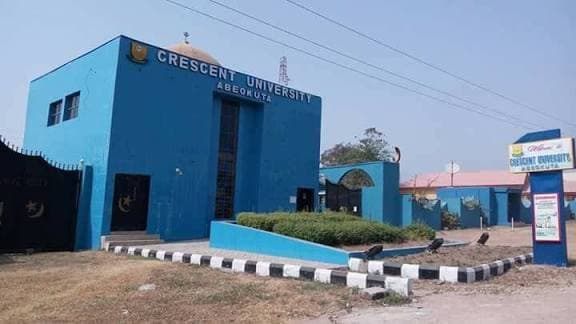
Crescent University, Abeokuta (CUAB) is a private university located in Abeokuta, Ogun State, Nigeria. The university was established in 2005 following approval by the Federal Government through the National Universities Commission (NUC). It was founded by the late Judge Bola Ahmed Ajibola, a prominent Nigerian jurist and former judge of the International Court of Justice. Crescent University describes itself as a citadel of academic and moral excellence and places emphasis on academic development, discipline, integrity and positive societal values.

The university offers undergraduate programmes through colleges covering Law, Health Sciences, Environmental Sciences, Arts, Social and Management Sciences, Information and Communication Technology, and Natural and Applied Sciences. Its official website states that its courses are fully accredited by the NUC. Crescent University also operates a residential campus, with students accommodated in university-managed halls of residence.

For prospective students, admission into Crescent University is available through UTME, Direct Entry and, where applicable, transfer routes. The university’s current undergraduate admission information requires applicants to meet the relevant O’Level and UTME conditions, obtain the university’s screening form and participate in the required screening exercise.

History of Crescent University

Crescent University Abeokuta was established in 2005 as a private university founded by Judge Bola Ahmed Ajibola. The institution grew out of the vision of its founder to provide university education that combines academic excellence with moral and character development. The university is associated with the Islamic Mission for Africa and is widely known as one of Nigeria’s pioneer Islamic universities.

The university began with a number of foundational colleges and has expanded its academic structure over the years. Its present academic offerings include Law, Health Sciences, Environmental Sciences, Information and Communication Technology, Natural and Applied Sciences, and Arts, Social and Management Sciences.

Crescent University marked its 20th anniversary in 2025, with the institution highlighting the development of its academic programmes, alumni and infrastructure since its establishment. The university has also reported graduates working in organisations such as the BBC, Central Bank of Nigeria, Nestlé, Dangote Group, Federal Inland Revenue Service and Guaranty Trust Bank.

Location of Crescent University

Crescent University is located at:

KM. 5, Ayetoro Road, Lafenwa, Abeokuta, Ogun State, Nigeria.

List of Programmes Offered by Crescent University

Crescent University offers degree programmes across several academic colleges. Prospective students should always confirm the current programme catalogue and specific departmental requirements before applying because programme availability and admission requirements can change.

Bola Ajibola College of Law

  • Law (LL.B)

The Bola Ajibola College of Law provides undergraduate legal education leading to the Bachelor of Laws degree. The university has also reported graduates of the college achieving first-class results at the Nigerian Law School.

College of Health Sciences

Programmes include:

  • Nursing Science (B.NSc)
  • Anatomy (B.Sc)
  • Physiology (B.Sc)

The university’s College of Health Sciences provides training in health-related disciplines, with Nursing Science offered as a five-year UTME programme and a four-year Direct Entry programme according to the college’s current programme information.

College of Natural and Applied Sciences

The college covers science-based disciplines including areas such as:

  • Biochemistry
  • Microbiology
  • Chemistry-related programmes
  • Biological Sciences
  • Other approved natural and applied science programmes

The university’s history of the college states that Natural and Applied Sciences was one of its foundation academic areas, initially involving Biological Sciences and Chemical Sciences.

College of Information and Communication Technology

The college offers programmes in computing and information technology, including areas such as:

  • Computer Science
  • Information and Communication Technology
  • Related computing and technology disciplines

Crescent University established its College of Information and Communication Technology from the beginning of the university and has continued to develop its technology-oriented academic offerings.

College of Arts, Social and Management Sciences

Programmes in this broad academic area include disciplines such as:

  • Accounting
  • Banking and Finance
  • Business Administration
  • Economics
  • Mass Communication
  • Political Science
  • International Relations
  • Islamic Studies
  • Other approved arts, social science and management programmes

The college combines humanities, social sciences and management-related disciplines and is one of the university’s long-established academic areas.

College of Environmental Sciences

The College of Environmental Sciences was established in January 2011 and provides academic training in environmental and related professional disciplines.

Prospective students interested in environmental programmes should check the university’s current programme catalogue for the exact courses and departmental requirements available for their admission year.

Crescent University Admission Requirements

Crescent University’s general undergraduate admission requirements include the following:

  • Candidates must have at least five O’Level credits in SSCE, GCE, NECO or an approved equivalent.
  • The required credits must include English Language and Mathematics, together with three other relevant subjects specified by the intended department.
  • The required O’Level subjects may be obtained in not more than two sittings.
  • The university states that candidates awaiting their O’Level results may also apply, subject to its admission conditions.
  • UTME candidates are expected to meet the university’s required UTME score and participate in the university’s screening exercise.
  • Candidates must obtain the Crescent University screening form through the university’s e-portal.
  • Applicants are required to participate in the university’s screening process, including the oral interview where applicable.

Direct Entry Admission

Candidates seeking admission into 200 level may apply through Direct Entry if they possess an acceptable qualification such as:

  • NCE
  • OND
  • A-Level qualifications
  • IJMB
  • Other approved equivalent qualifications

The university generally requires relevant qualifications and the required O’Level credits. Applicants may also be required to participate in an interview. In certain circumstances, holders of lower-credit OND or HND qualifications may be considered for 200-level admission in relevant programmes, subject to university approval.

Transfer Admission

Students transferring from another university are required to meet Crescent University’s admission requirements, submit relevant academic records and satisfy the university’s transfer conditions. The university states that transfer applicants should have a minimum CGPA of 1.5 and ensure that their academic transcript and other required documentation reach the Admissions Office within the specified period.

School Fees

Crescent University’s fees vary according to the programme and level of study. The university’s undergraduate page currently displays programme-specific figures rather than one uniform school-fee amount.

Examples of tuition figures displayed on the official undergraduate page include:

Programme New Students Tuition Returning Students
Biochemistry ₦853,000 ₦770,000 (200L)
Business Administration ₦733,000 ₦660,000 (200L)
Computer Science ₦723,000 ₦650,000 (200L)
Economics/OR ₦753,000 ₦700,000 (200L)
Islamic Studies ₦303,000 ₦280,000
Law ₦1,653,000 ₦1,500,000
Mass Communication ₦753,000 ₦700,000
Microbiology ₦703,000 ₦660,000
Nursing ₦1,653,000 ₦1,500,000 (200L)
Physiology ₦853,000 ₦800,000 (200L)

The same official page lists an acceptance fee of ₦50,000 for the programmes displayed, while the application fee is generally ₦10,000 and is ₦20,000 for Nursing. The figures should be confirmed on the university’s portal before payment because university charges can be revised.

For Nursing, the College of Health Sciences separately confirms a current displayed tuition of ₦1,653,000 for freshers and ₦1,500,000 for returning 200-level students, with additional hostel-related charges shown for returning students.

 Cut-Off Mark

Crescent University’s current undergraduate admission information states that candidates should obtain a minimum 180 UTME score as part of the admission procedure. However, candidates must also satisfy the programme-specific requirements and complete the university’s screening process.

Therefore, prospective applicants should not rely on the general UTME score alone. Competitive programmes may have additional academic requirements, particularly in terms of UTME subject combinations and O’Level subjects.

Hostel / Accommodation

Crescent University operates a residential system in which students are accommodated on campus. The university’s Student Affairs Division states that students are fully residential within the campus and provides a number of general and private hostel options for male and female students.

Female hostel options listed by the university include New Hostel, Hameedah, Iqra, Gbadela, Amota, Dantata, U-Shaped, Tropicana and several Bowlsant halls.

Male accommodation includes Saudi Hall, Dangote Hall, Okeleye Hall, Mahruf Hall, Tijani Folawiyo Hall, Bungalow halls, Lateef Adegbite Hall and Zakariyah Hall.

The university’s current programme-fee information also shows hostel-related charges for some returning students, so prospective students should confirm the applicable accommodation fee for their programme and level before registration.

Scholarships

Crescent University Offers Scholarships to First 50 Artificial Intelligence Applicants

Crescent University, Abeokuta (CUAB), has announced scholarship opportunities for the first 50 applicants seeking admission into its Bachelor of Science (B.Sc.) Artificial Intelligence programme. Applications are open until Monday, 30 November 2026.

The programme offers practical training in artificial intelligence, including hands-on experience in innovation laboratories. To qualify for admission, candidates must have five Senior Secondary School Certificate Examination (SSCE) credit passes in English Language, Mathematics, Physics and two other relevant science subjects, obtained in not more than two sittings. Applicants must also have an appropriate Unified Tertiary Matriculation Examination (UTME) score.

The scholarship offer is limited to the first 50 applicants to the programme, and interested candidates are advised to apply before the 30 November 2026 deadline. For enquiries about the programme and scholarship opportunity, prospective students can contact the university on +234 806 273 8520, +234 803 817 1727 or +234 803 836 2771.

Notice Board

Crescent University Directs Students to Authenticate O’Level Results

The management of Crescent University, Abeokuta, has directed all students, including fresh and returning students, to authenticate their O’Level results through the university’s official website. The directive covers results from WAEC, NECO, NABTEB and NBAIS.

Affected students are required to visit the university website at www.cuab.edu.ng and click on Services. They should then select O’Level Verification and follow the instructions provided to complete the authentication process.

The university has directed all affected students to complete the verification exercise on or before 19 December 2026. Failure to comply with the directive by the stated deadline will attract the prescribed fine.

Management has urged all students to comply with the instruction and complete the process within the stipulated period.

Notable Alumni 

Crescent University has produced graduates who have gone into the media, banking, accounting, business, public service, law and other professional fields. The university identifies alumni working with organisations including the BBC, Central Bank of Nigeria, Nestlé, Dangote Group, Federal Inland Revenue Service and Guaranty Trust Bank.

Among graduates specifically identified in the university’s publications are Opeoluwa Rukayat Shekoni, the 2023 best graduating student who finished Economics with a reported CGPA of 4.98, and Daniel Oyeniyi, the 2023/2024 valedictorian who graduated from Mass Communication with a reported CGPA of 4.95.

Another notable alumnus is HRH Oba Olufemi Ogunleye, the Oba of Akinale, who graduated from the Bola Ajibola College of Law at Crescent University and subsequently pursued further legal studies.

Official Website and Portal Links

Resource Official Link
Crescent University Official Website Visit Crescent University official website
Undergraduate Programmes and Admission Requirements Crescent University undergraduate page
University Admission / Application Portal Crescent University e-Portal
College of Health Sciences Crescent University College of Health Sciences
Hostel Information Crescent University hostel information

Contact Information

Crescent University, Abeokuta
KM. 5, Ayetoro Road, Lafenwa, Abeokuta, Ogun State, Nigeria
P.M.B. 2104, Sapon, Nigeria

Phone Numbers:

  • +234 (0)803 836 2771
  • +234 (0)803 064 4731
  • +234 (0)803 817 1727
  • +234 (0)802 781 4584

Email:

Frequently Asked Questions (FAQs)

Is Crescent University a private university?

Yes. Crescent University Abeokuta is a private university established in 2005 and approved by the Federal Government through the National Universities Commission.

Where is Crescent University located?

Crescent University is located along Ayetoro Road, Lafenwa, Abeokuta, Ogun State, Nigeria.

What is Crescent University’s UTME cut-off mark?

The university’s current undergraduate admission page states that candidates should obtain a minimum UTME score of 180 for its admission procedure. Applicants must also meet the O’Level and departmental requirements and complete the screening exercise.

Does Crescent University accept Direct Entry?

Yes. Crescent University accepts qualified Direct Entry applicants into 200 level, subject to the required NCE, OND, A-Level, IJMB or other approved qualifications and the relevant O’Level requirements.

Does Crescent University offer Nursing Science?

Yes. Crescent University offers Bachelor of Nursing Science (B.NSc) through its College of Health Sciences. The university currently lists the programme as five years through UTME and four years through Direct Entry.

Does Crescent University offer Law?

Yes. The Bola Ajibola College of Law offers the Bachelor of Laws (LL.B) programme.

Does Crescent University provide hostel accommodation?

Yes. The university operates a residential system with male and female halls of residence on campus.

How much is Crescent University school fees?

Fees depend on the programme and level. The university’s current published figures show that tuition varies considerably across programmes, with higher fees for programmes such as Law and Nursing. Applicants should confirm the applicable fee for their programme directly from the university before payment.

Does Crescent University accept candidates who chose another institution in JAMB?

Yes. Candidates who initially selected another institution can change their first choice to Crescent University through JAMB and then complete the university’s screening application.

Is Crescent University accredited?

Crescent University states on its official website that its courses are fully accredited by the National Universities Commission.