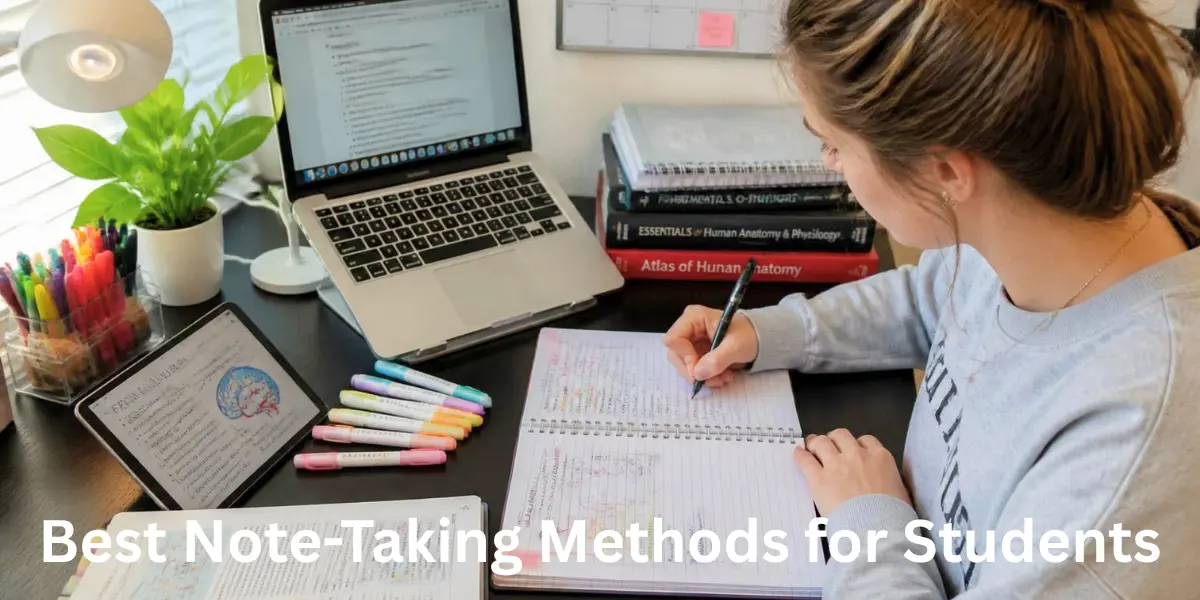
No student plans to miss deadlines, cram the night before an exam, or feel overwhelmed by assignments. Yet, these situations are common because managing time is often harder than understanding the coursework itself. Whether you’re preparing for WAEC, JAMB, Post-UTME, university exams, or applying for scholarships in Nigeria, learning how to manage your time effectively and using the effective study techniques for exams can make a significant difference in your academic performance.
The good news is that effective time management isn’t about filling every hour with study sessions. It’s about making smart decisions with the time you already have. Throughout the years, I’ve noticed that the highest-performing students aren’t always the ones studying the longest. Instead, they’re usually the ones who follow simple routines, prioritize important tasks, and remain consistent even during busy weeks.
This guide covers practical, proven strategies that will help you stay organized, reduce stress, and build study habits that last.
Why Time Management Matters for Students
Time management is the ability to plan, organize, and use your time wisely to achieve specific goals. For students, it means balancing lectures, assignments, revision, extracurricular activities, and personal responsibilities without feeling constantly overwhelmed.
Good time management offers several benefits:
- Improves academic performance
- Reduces exam stress and anxiety
- Helps meet assignment deadlines
- Creates a better study-life balance
- Builds discipline and consistency
- Prevents last-minute cramming
- Leaves more time for hobbies and rest
When you manage your time well, you spend less energy worrying about unfinished work and more energy focusing on learning.
Common Time Management Challenges
Most students struggle with similar problems, including:
- Procrastinating until deadlines are close
- Spending excessive time on social media.
- Trying to multitask during study sessions
- Creating unrealistic study schedules
- Losing focus after a short period
- Balancing academics with part-time work or family responsibilities
Recognizing these challenges is the first step toward overcoming them.
The 5 P’s of Time Management Explained
A simple framework that many successful students follow is the 5 P’s of Time Management.
- Plan
Start every week by writing down upcoming lectures, assignments, quizzes, exams, and personal commitments.
Using a planner or digital calendar gives you a clear picture of your workload before it becomes overwhelming.
- Prioritize
Not all tasks deserve the same level of attention.
A useful method is the Eisenhower Matrix, which helps you separate urgent tasks from those that can wait.
| Task Type | Action |
| Urgent and important | Complete immediately |
| Important but not urgent | Schedule it |
| Urgent but less important | Delegate if possible |
| Neither | Remove or postpone |
For instance, preparing for tomorrow’s exam should take priority over organizing old class notes.
- Prepare
Before studying, gather everything you need.
This might include:
- Textbooks
- Lecture notes
- Laptop
- Calculator
- Water bottle
- Internet connection if required
A prepared study space minimizes interruptions and helps you stay focused.
- Perform
Once your study session begins, concentrate on one task at a time.
Many students believe multitasking saves time, but it usually reduces concentration and increases mistakes. Focused work almost always produces better results.
- Persist
Consistency is more valuable than perfection.
Missing one study session doesn’t ruin your progress. What matters is returning to your routine instead of abandoning it altogether.
The Five Principles of Effective Time Management
While the 5 P’s provide a practical framework, long-term academic success depends on following several core principles.
Set Clear Goals
Avoid vague goals like:
“I’ll study Biology today.”
Instead, create measurable objectives such as:
“Complete Chapter 5, summarize key concepts, and answer 20 practice questions.”
Using smart goals makes your study sessions more purposeful because every session has a clear outcome.
Plan Before You Study
Many students waste valuable time deciding what to study after sitting at their desks.
Spend five to ten minutes every evening preparing the next day’s schedule. This small habit removes uncertainty and makes it much easier to start studying.
Prioritize High-Impact Tasks
The Pareto Principle (80/20 Rule) suggests that a small percentage of your efforts often produces the majority of your results.
For students, that means focusing first on activities such as:
- Reviewing topics frequently tested in exams
- Completing assignments with the highest marks
- Practicing past examination questions
- Strengthening weaker subjects
This strategy is especially valuable during WAEC, JAMB, or university examination periods when study time is limited.
Build Consistent Habits
One lesson I’ve learned from observing high-achieving students is that they rarely depend on motivation.
A classmate during university wasn’t known as the smartest student, yet he consistently ranked among the top performers. His advantage wasn’t extraordinary intelligence—it was consistency. Every evening, regardless of how busy he was, he spent about an hour reviewing lecture notes. Pairing a consistent routine with proven strategies for preparing for exams can make revision more efficient and help you retain information for longer.
These small daily efforts are also the foundation of effective study habits that support long-term academic success.
Review and Improve
Your study schedule shouldn’t remain the same throughout the semester.
Review your progress every week by asking:
- Which tasks took longer than expected?
- What distracted me most?
- Which study methods worked well?
- What should I change next week?
Making small adjustments regularly keeps your routine realistic and sustainable.
10 Proven Time Management Techniques for Students
Different methods work for different learners, but the following techniques have consistently helped students improve focus and productivity.
- Use the Pomodoro Technique
Study for 25 minutes, then take a 5-minute break. After four study sessions, take a longer break of 20 to 30 minutes.
This technique helps maintain concentration while preventing mental fatigue.
- Try Time Blocking
Instead of keeping a simple to-do list, assign a specific time to each activity.
For example:
| Time | Activity |
| 8:00–9:00 AM | Mathematics revision |
| 9:15–10:15 AM | Assignment writing |
| 10:30–11:15 AM | Practice questions |
| 11:30–12:00 PM | Review notes |
Time blocking removes the guesswork because every hour already has a defined purpose.
- Apply Parkinson’s Law
Parkinson’s Law states that work expands to fill the time available.
If you give yourself an entire day to complete an assignment that only requires two hours, you’ll likely spend most of the day on it.
Instead, set shorter, realistic deadlines. You’ll often complete tasks faster without sacrificing quality.
- Break Large Tasks into Smaller Steps
Big assignments often feel intimidating because they seem impossible to finish. Instead of trying to complete everything at once, divide the work into smaller, manageable tasks.
For example:
- Research the topic
- Create an outline
- Write the first draft
- Edit and proofread
- Submit before the deadline
Completing one small task at a time builds momentum and makes steady progress much easier.
- Remove Distractions
Distractions can quickly derail even the best study plan. During study sessions:
- Turn off unnecessary notifications.
- Keep your phone out of reach.
- Study in a quiet environment such as a library.
- Let family or roommates know when you need uninterrupted time.
If staying away from your phone is difficult, apps like Forest App can help you stay focused.
- Use Productivity Tools
The right tools won’t replace discipline, but they can help you stay organized.
| Tool | Best Use |
| Google Calendar | Schedule classes, exams, and deadlines |
| Notion | Organize notes and study plans |
| Todoist | Manage daily tasks |
| Microsoft To Do | Create simple checklists |
| Trello | Track assignments and group projects |
| Forest App | Reduce phone distractions |
Choose one or two tools rather than switching between multiple apps.
- Review Your Progress Weekly
Spend a few minutes every weekend evaluating your progress.
Ask yourself:
- Did I meet my study goals?
- Which subjects need more attention?
- What distracted me this week?
- How can I improve next week?
Regular reviews help you adjust your routine before small problems become bigger ones.
- Learn to Say No
Students often take on too many responsibilities, leaving little time for studying.
It’s okay to decline unnecessary commitments, especially during exam periods. Protecting your study time is an investment in your future.
- Schedule Rest and Exercise
Studying for long hours without breaks often leads to burnout.
Make time for:
- Short breaks
- Physical activity
- Healthy meals
- Quality sleep
A well-rested mind learns and remembers information more effectively than an exhausted one.
- Stay Consistent
The most successful students aren’t perfect—they’re consistent.
Some days won’t go as planned, and that’s normal. Instead of giving up after missing one study session, simply return to your routine the next day.
How to Create a Realistic Study Schedule
A study timetable should fit your daily routine rather than forcing you into an unrealistic schedule.
Here’s an example for a university student.
| Time | Activity |
| 7:00–8:00 AM | Morning routine and breakfast |
| 8:00–12:00 PM | Classes or lectures |
| 12:00–1:00 PM | Lunch |
| 1:00–2:30 PM | Assignment or project work |
| 2:45–4:00 PM | Revision using the Pomodoro Technique |
| 4:00–5:00 PM | Exercise or relaxation |
| 7:00–8:30 PM | Practice questions and exam preparation |
If you’re preparing for WAEC, JAMB, or Post-UTME, gradually increase revision time as exams approach instead of relying on last-minute cramming. Students balancing university with part-time work can shorten study sessions while maintaining consistency.
Common Time Management Mistakes to Avoid
Even the best study plan can fail if you fall into these common traps:
- Waiting until the last minute to start assignments
- Multitasking during study sessions
- Creating unrealistic schedules
- Ignoring regular breaks
- Studying without clear goals
- Trying to be perfect instead of making progress
- Failing to review and adjust your timetable
Avoiding these mistakes will help you stay on track throughout the semester.
FAQ’s
Q: What are time management tips for students?
The most effective tips include planning your week, prioritizing important tasks, following a realistic study timetable, reducing distractions, taking regular breaks, and reviewing your progress consistently.
Q: What are the 5 P’s of time management?
The 5 P’s are Plan, Prioritize, Prepare, Perform, and Persist. They provide a practical framework for organizing work and building productive study habits.
Q: What are the five principles of time management?
The five principles are setting clear goals, planning ahead, prioritizing tasks, maintaining consistent routines, and reviewing your progress regularly.
Q: What are 10 time management techniques?
Popular techniques include the Pomodoro Technique, Time Blocking, Parkinson’s Law, SMART Goals, the Pareto Principle, breaking large tasks into smaller steps, removing distractions, using productivity tools, weekly reviews, and scheduling regular rest.
Q: How can students stop procrastinating?
Start with a small task, set short deadlines, remove distractions, and use focused study sessions. Taking action is often easier than waiting to feel motivated.
Q: What is the best study schedule for university students?
The best schedule balances lectures, assignments, revision, breaks, and personal time. It should also be flexible enough to adapt during busy periods such as exams.
Q: Which productivity app is best for students?
Google Calendar is ideal for scheduling, Notion is excellent for organizing notes and projects, Todoist simplifies task management, while Forest App helps reduce distractions during study sessions.
Q: How many hours should students study daily?
There’s no fixed number. Most students benefit from 2–4 hours of focused study outside class, while exam periods may require additional revision depending on the workload.
Conclusion
Good time management isn’t about staying busy every minute of the day—it’s about using your time intentionally. By combining the 5 P’s of Time Management, proven techniques like the Pomodoro Technique, Time Blocking, SMART Goals, the Pareto Principle, and Parkinson’s Law, you can stay organized, reduce stress, and improve your academic performance.
Whether you’re preparing for WAEC, JAMB, university exams, or scholarship applications, start by making one small improvement today. Build a realistic schedule, stay consistent, and review your progress regularly. Over time, these simple habits will help you study smarter, meet deadlines with confidence, and achieve your academic goals without feeling overwhelmed.